Creating a successful shampoo starts long before manufacturing begins. You need a clear idea of who will use the product, what benefits it should deliver, how it should feel, and where it will be sold. Sharing these details with your manufacturer helps turn your idea into a product that fits your brand and market.
A well-prepared shampoo product brief gives your manufacturing partner the information needed to assess your requirements, recommend suitable options, and plan product development. Without it, important details may be missed, leading to repeated samples, delays, and unexpected costs.
Whether you are launching a new hair care brand or expanding an existing product range, this guide explains how to prepare a shampoo development brief and what to send a private label manufacturer.
What is a Shampoo Product Brief?
A shampoo product brief is a document that explains your product concept, target customers, desired formula, fragrance, packaging, budget, and launch plans. It acts as a shared reference for your brand and manufacturer throughout development.
A useful cosmetic product brief does not need complicated technical language. You can start with your business goals and product preferences, then work with your manufacturer to review technical details and possible solutions.
For example, you might want a moisturizing shampoo for dry hair, with a creamy texture, a soft floral fragrance, and a premium-looking bottle. Your brief should explain these expectations clearly.
Why a Clear Brief Matters
When your requirements are specific, your manufacturer can better assess feasibility, recommend suitable ingredients and packaging, and identify potential challenges early. This can reduce unnecessary sample revisions and help keep development on schedule.
Clear private label shampoo requirements are especially important when you have a defined target price, market, or launch date. They help the manufacturer determine whether your expectations are realistic and which details should be prioritized.
A strong shampoo manufacturing requirements document also supports communication between product development, purchasing, marketing, and packaging teams.
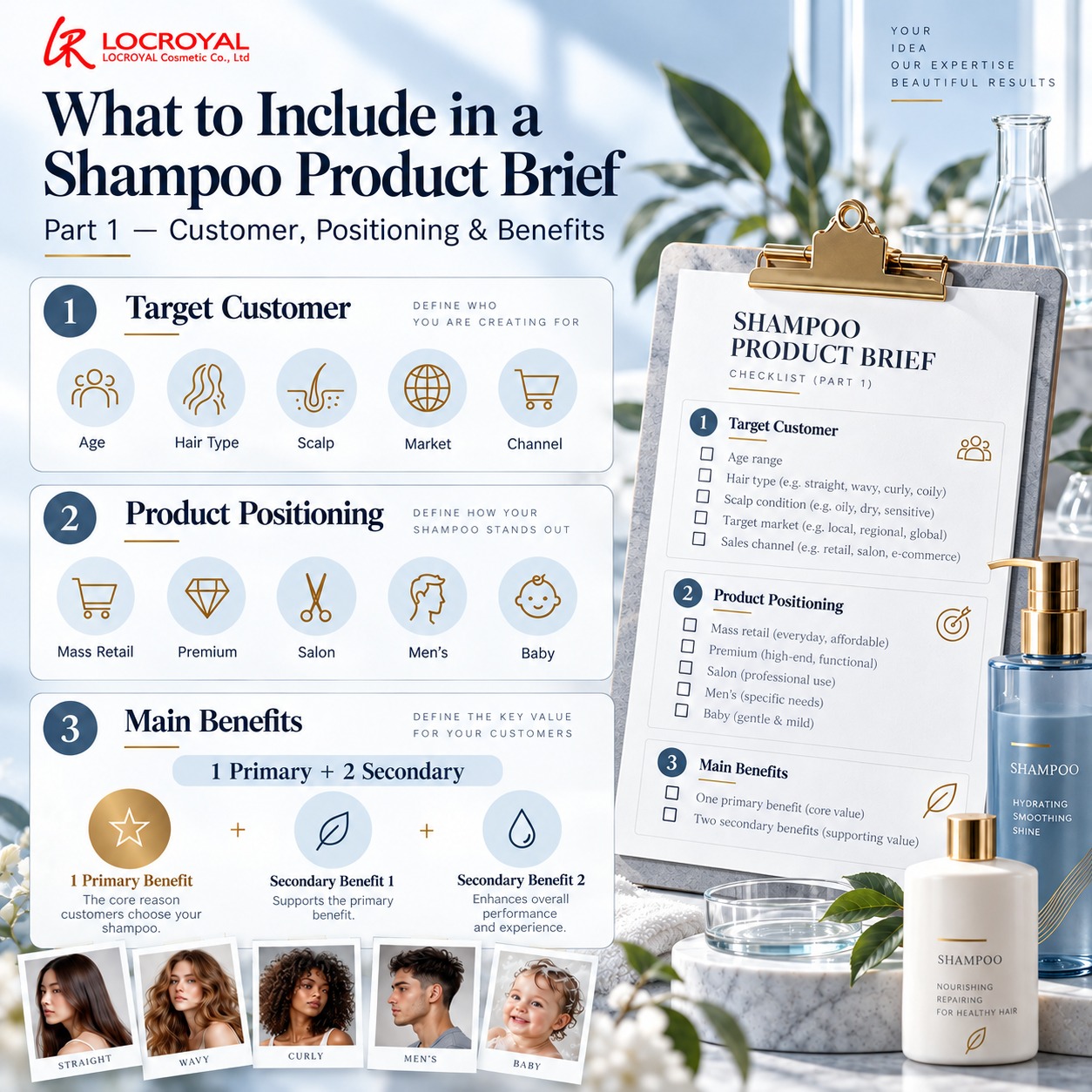
1. Define Your Target Customer

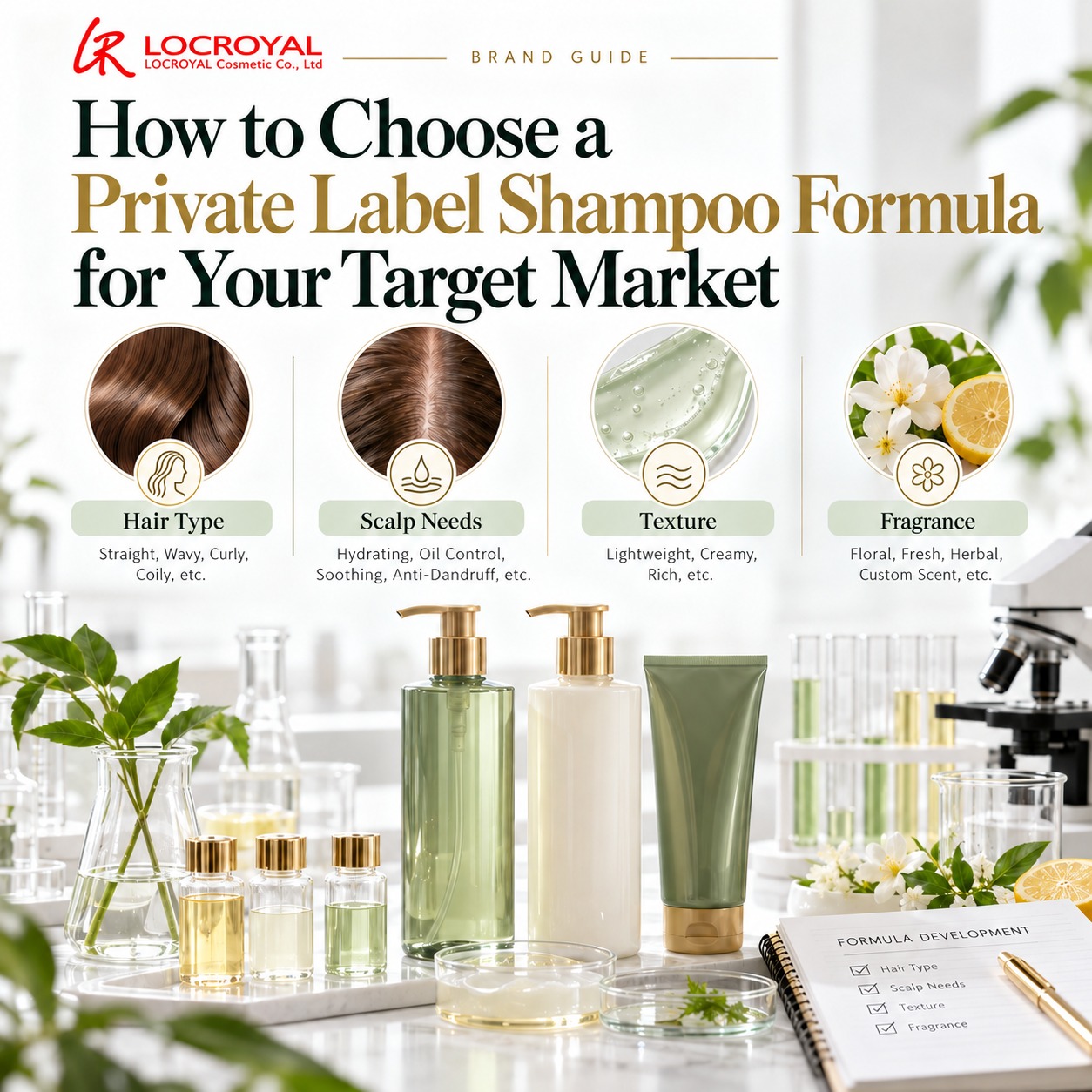
Start by explaining who will use your shampoo. Your target customer influences the formula, fragrance, packaging, price, and product claims.
Include these details in your shampoo product brief:
- Age group: Adults, teenagers, children, or babies.
- Hair type: Dry, oily, fine, thick, curly, straight, damaged, or color-treated.
- Scalp needs: A product designed for an oily scalp may require a different approach from one intended for a dry-feeling scalp.
- Target market: Identify the country or region where you plan to sell.
- Sales channel: Explain whether the product is intended for e-commerce, supermarkets, salons, professional distributors, or beauty retailers.
For example, a shampoo for color-treated hair sold through premium salons may need a different product experience from an affordable daily shampoo sold through supermarkets.
These details help your manufacturer assess suitable private label shampoo requirements and develop a product that matches customer expectations. If you plan to sell in several countries, mention that early so relevant market requirements can be considered.
2. Define Your Product Positioning
Product positioning explains how customers should perceive your shampoo and where it belongs in the market. It also helps your manufacturer understand the level of performance, presentation, and cost you expect.
Your shampoo may be positioned as:
- Mass-market retail
- Premium retail
- Salon or professional hair care
- Natural-inspired hair care
- Perfume hair care with a noticeable fragrance experience
- Men's grooming
- Baby or children's hair care
Choose the category that best reflects your brand strategy. If your shampoo is positioned as a premium product, you may want a more refined fragrance, an attractive texture, and packaging that supports a higher price point.
If affordability is the priority, your brief should explain which features matter most and where you can be flexible.
3. Define the Main Benefits
List the main benefits you want your shampoo to deliver. Focus on the most important customer needs rather than trying to include every possible benefit in one product.
Common shampoo concepts include:
- Moisturizing and softness
- Oil control and a fresh scalp feel
- Smoothness and easier detangling
- Support for the appearance of damaged hair
- Care for color-treated hair
- Volume for fine hair
- Daily cleansing
- Curl care and manageability
Choose around two or three main priorities to guide development. For example, a shampoo for dry, damaged hair might focus on softness, smoothness, and easier combing.
Explain what customers should notice after using the product. Should their hair feel clean but not stripped, soft without feeling heavy, or smooth without losing volume?
Your shampoo formulation brief should separate desired performance from marketing language. Any claims used on the finished product must be appropriate for the formula and supported by relevant evidence. Your manufacturer can help discuss realistic product benefits and possible testing needs.
4. Define Formula Requirements
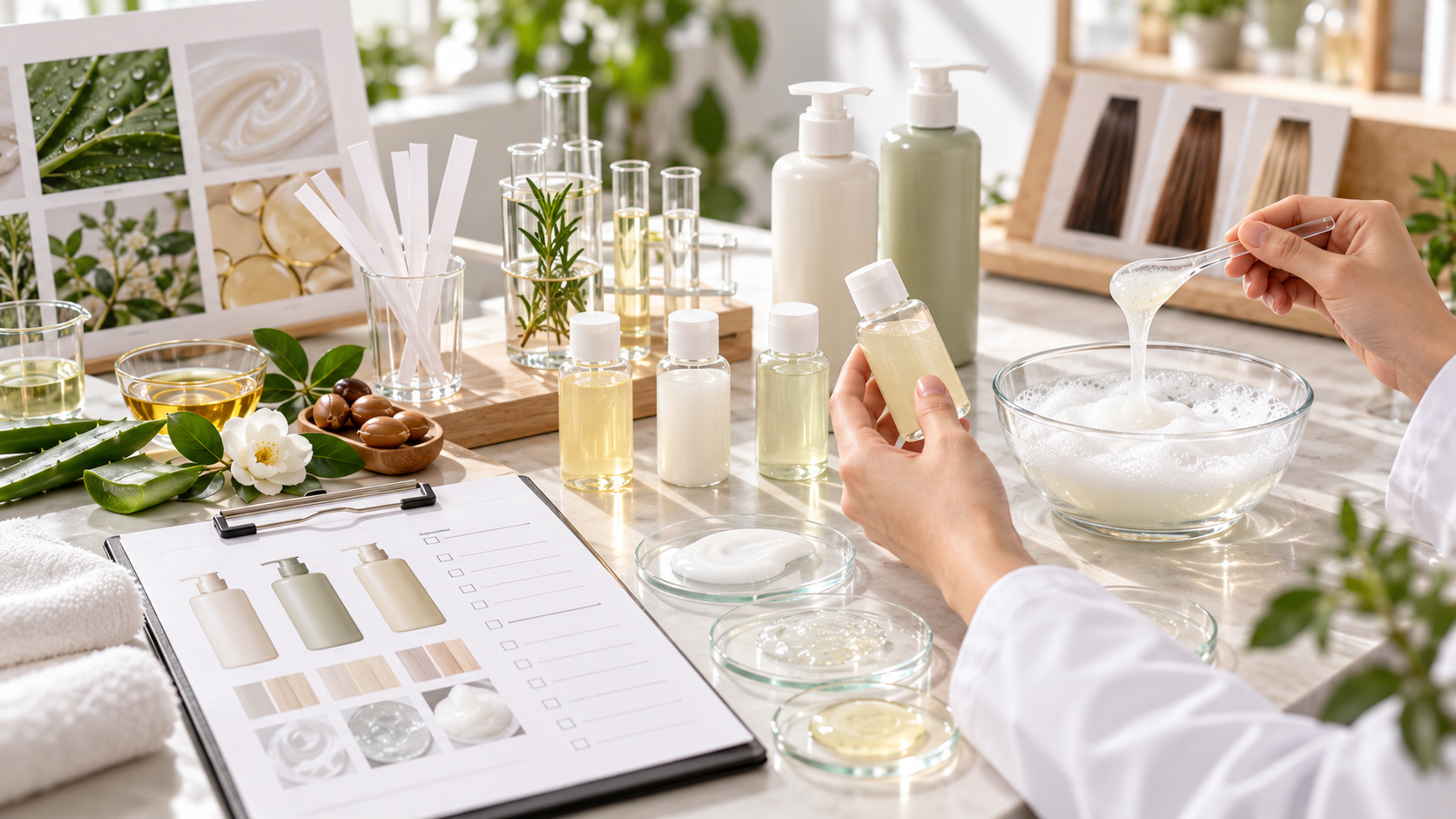
Formula requirements help the manufacturer understand your preferences for ingredients, appearance, texture, cleansing, and rinse-off performance.
Include any requirements that matter to your brand, such as:
- Sulfate-free or silicone-free
- Desired color or transparency
- Thin, medium, or thick viscosity
- Rich, creamy, or lightweight foam
- Easy rinsing
- A clean, soft, smooth, or lightweight after-feel
Be clear about which points are essential and which are preferences. For example, a sulfate-free formula may be a firm requirement, while a particular shade or foam level may be flexible.
Avoid assuming that one ingredient automatically guarantees a specific result. Formula performance depends on the complete formulation, ingredient compatibility, and product testing.
If you have a technical specification, ingredient restriction, or existing formula reference, include it with your shampoo product brief. Your manufacturer can review the details and advise what may be achievable.
5. Define the Fragrance
Fragrance can play a major role in the shampoo experience. It influences the product's identity and may affect how customers remember your brand.
Describe the fragrance direction you want. Examples include:
- Fresh and clean
- Citrus and fruity
- Floral
- Herbal and green
- Woody
- Warm and sweet
- Perfume-inspired
Also explain the preferred intensity. Do you want a light fragrance during washing or a more noticeable scent that remains on the hair after drying?
If you have a reference fragrance, share its name or provide a sample where possible. Explain what you like about it, such as its freshness, sweetness, softness, or overall character.
Your shampoo development brief should also state whether the scent needs to suit a specific audience or market. The manufacturer can then assess suitable fragrance options for the formula.
Keep in mind that fragrance performance may change during formulation and storage. The final product should be evaluated in the actual shampoo base rather than judged only from a fragrance sample.
6. Provide a Benchmark Product
A benchmark product gives your manufacturer a practical reference for understanding your expectations. It may be an existing shampoo whose texture, fragrance, packaging, or user experience is close to your idea.
You can provide:
- A physical product sample
- Product photos
- An ingredient list, if available
- A description of the texture and foam
- Fragrance notes or a reference scent
- Details about what you like and what you want to improve
Be specific about which features matter. You may like a benchmark shampoo's creamy texture but prefer a lighter fragrance or different packaging.
A benchmark supports your cosmetic product brief by turning general descriptions into more concrete references. However, it should guide development rather than serve as a request to copy another brand's protected formula, design, or intellectual property.
Explain what should be similar and what must be different. This gives your manufacturer a clearer direction for custom shampoo development while allowing room for technical recommendations and your brand's own identity.
7. Define Packaging Requirements
Packaging affects product appearance, usability, shipping, and cost. Your brief should describe the size and packaging style you prefer, along with any labeling or decoration requirements.
Include details such as:
- Bottle size: For example, 250 ml, 300 ml, 500 ml, or 1,000 ml.
- Container type: Bottle, tube, or another suitable format.
- Closure: Pump, flip cap, or screw cap.
- Decoration: Printed label, silk-screen printing, or other available options.
- Secondary packaging: Individual box, shrink film, or no additional packaging.
- Branding: Logo placement, colors, finish, and design references.
If you do not have a final packaging design, state that you need recommendations. Your manufacturer may be able to suggest suitable options based on your target market, product positioning, and budget.
The shampoo product brief should also identify whether packaging choices are fixed or flexible.
8. Define Target Cost and Order Quantity
Your budget and expected order quantity influence the manufacturing options available to your brand. Share these details as early as possible so your manufacturer can assess the project realistically.
Include your expected first order quantity, estimated future demand if known, target retail price, and preferred factory cost range. Also clarify whether your cost target includes the formula, primary packaging, decoration, secondary packaging, and other agreed services.
For example, a premium salon shampoo and a budget retail shampoo may have different cost structures because of their packaging, ingredients, and positioning.
If you are unsure about the appropriate budget, explain your target market and desired product quality. Your manufacturer can discuss possible options and trade-offs.
9. Define Your Target Market and Launch Date
Your target market and launch schedule help the manufacturer understand the project's timing and relevant requirements.
Identify the countries where you plan to sell the shampoo. Different markets may have different cosmetic regulations, labeling rules, ingredient restrictions, and documentation needs. Your manufacturer should review the applicable requirements with you rather than assume one set of requirements fits every country.
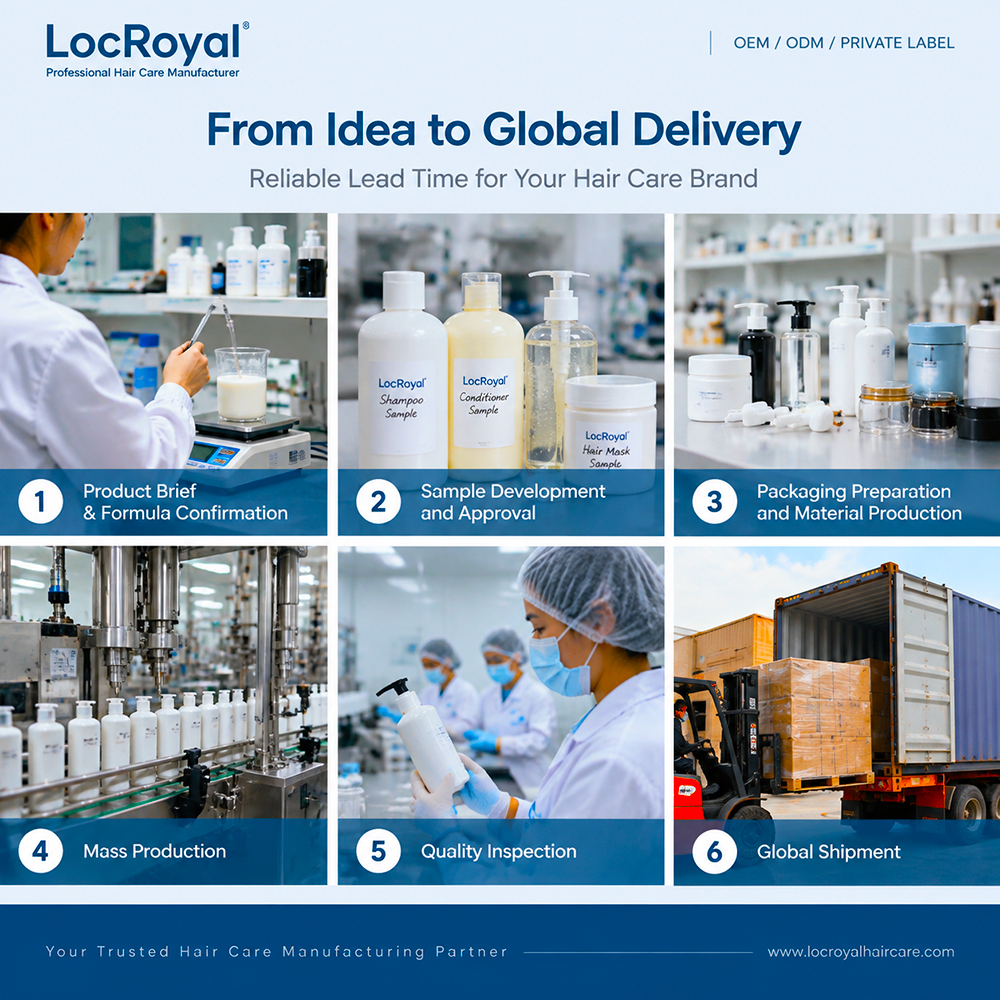
Next, provide your planned launch date and any important milestones, such as sample approval, packaging artwork approval, production, and shipment.
Allow time for formula adjustments, testing, packaging confirmation, and other required checks. A launch date that leaves no room for revisions may create avoidable pressure.
Conclusion
You do not need to know every technical detail before contacting a manufacturer. Start with your product idea and business goals, then work with an experienced partner to assess formula options, packaging choices, costs, and development requirements.
LocRoyal is part of BonnieCo Group, bringing 15 years of beauty manufacturing experience, a self-owned factory, and global certifications. With hair care OEM expertise and a 50,000 m² production base in Foshan, LocRoyal supports brands in developing private label shampoo products.
Ready to develop your own shampoo brand? Contact LocRoyal to discuss your product concept, target market, formula preferences, packaging options, and estimated order quantity. Share the requirements you have already defined, and our team can discuss the available private label shampoo manufacturing options and the next steps for your project.
Explore LocRoyal's private label shampoo manufacturing services or contact LocRoyal to discuss your shampoo development project.