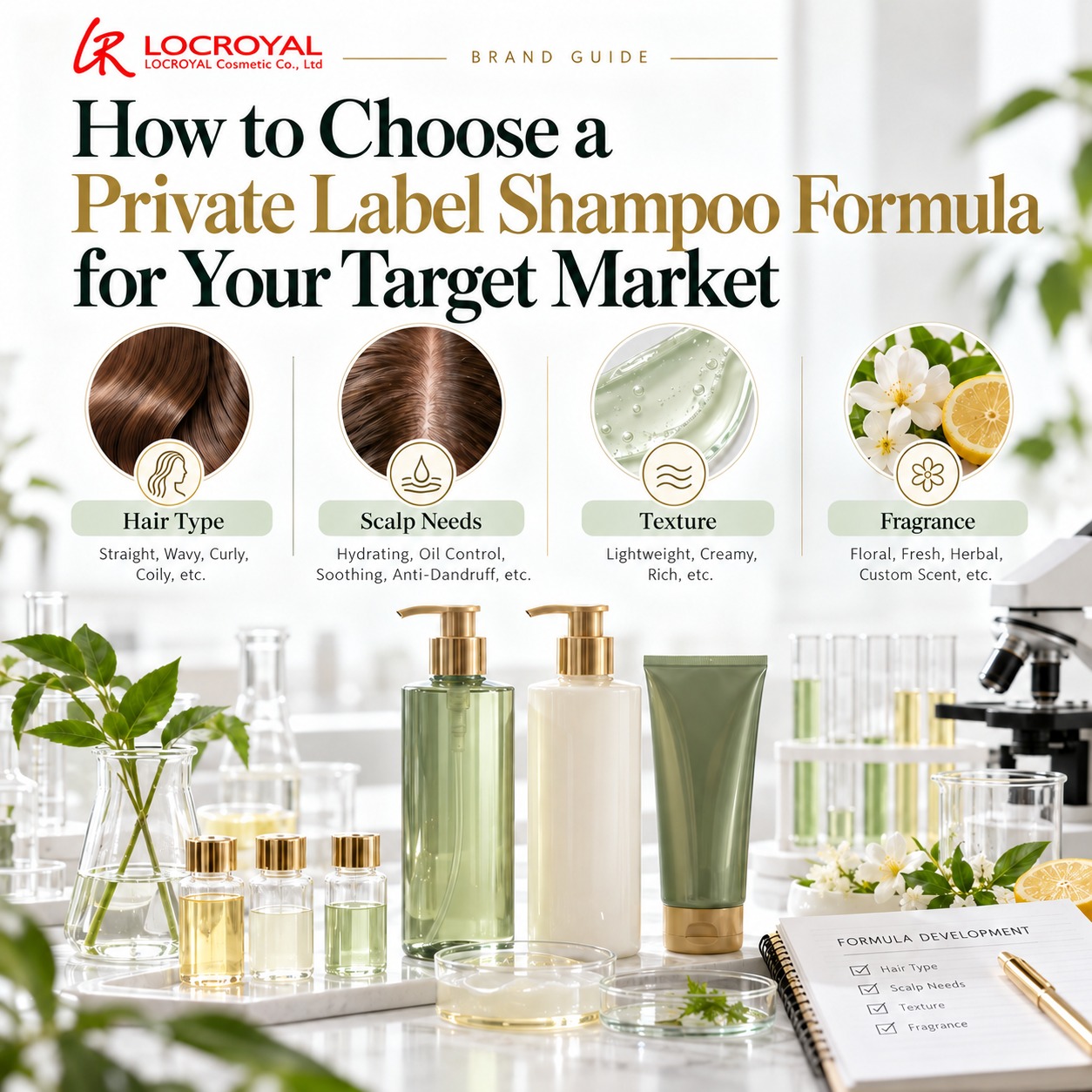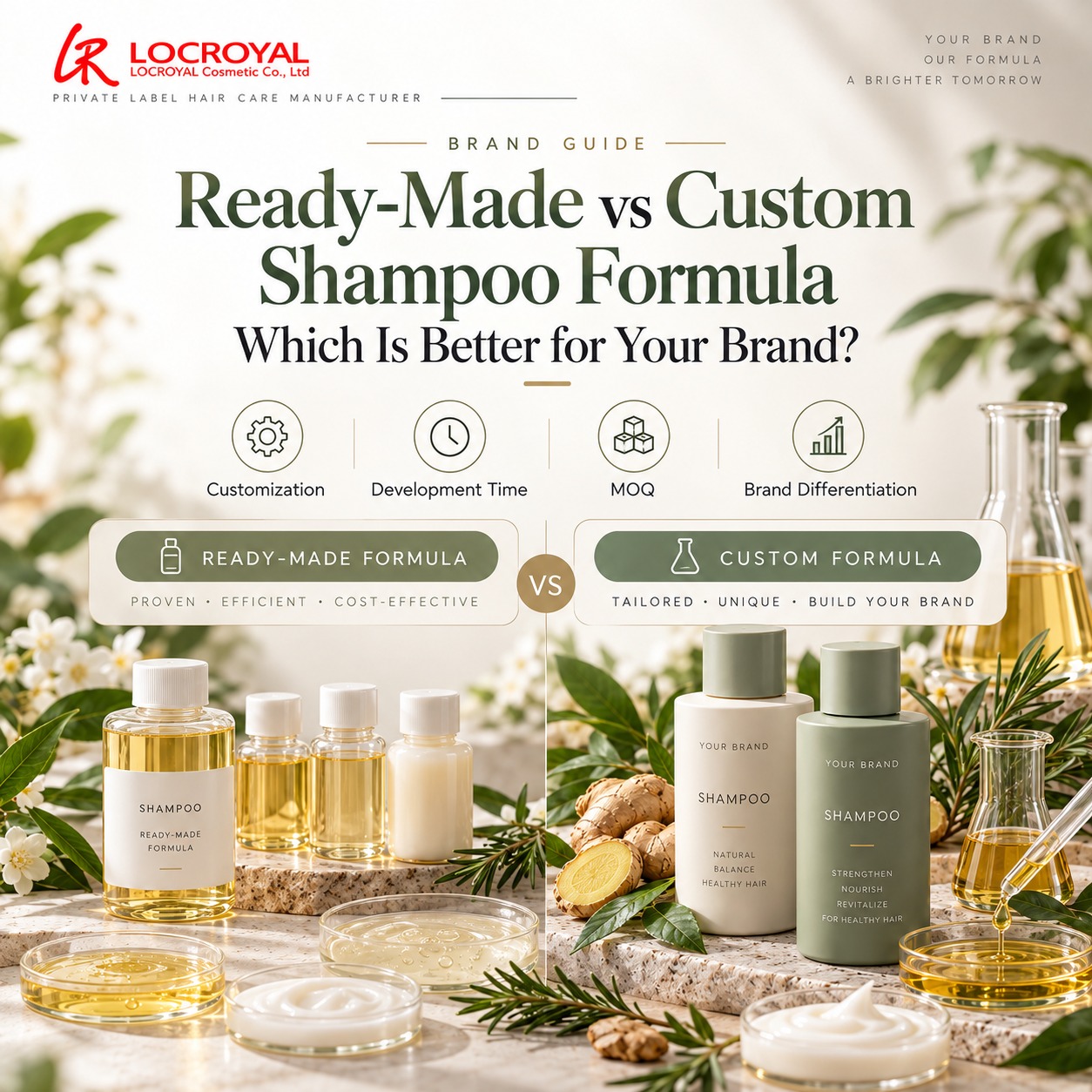
Launching a shampoo brand involves more than choosing a bottle and designing a label. One of your first major decisions is whether to use an existing formula or invest in a custom shampoo formula developed around your brand’s needs.
Both options have advantages. A ready-made shampoo formula may help you get started with less development work, while a fully custom formula offers more freedom to shape your product. Between them, a semi-custom option can provide a practical balance.
So, which approach makes the most sense for your business?
The answer depends on your budget, target customers, product concept, order quantity, and long-term goals. In this guide, we compare the three options to help you make a more informed decision when working with a shampoo manufacturer.
What is a Ready-Made Shampoo Formula?
A ready-made shampoo formula is an existing formulation that a manufacturer already has available for evaluation and production. It may be offered as a stock shampoo formula for brands that want to launch a product without starting development from the beginning.
This option can simplify the early stages of private label shampoo manufacturing. Instead of developing every part of the formula, you can review available samples and select one that fits your product concept.
Key advantages include:
- Faster development: You can start by evaluating an existing formula.
- Simpler sampling: Fewer development steps may be needed.
- Lower entry complexity: You have fewer formulation decisions to make.
- More predictable planning: An established formula can make initial discussions easier.
However, a ready-made shampoo formula has limitations. Your ability to change ingredients, texture, fragrance, or performance may depend on the manufacturer’s available options.
Other brands may also use similar formulas, making product differentiation more challenging. Your packaging and branding can still stand out, but they cannot replace a product experience that meets customer expectations.
A ready-made formula is worth considering if you want to test a market, launch a straightforward product, or build an initial range before investing in more extensive development.
What is a Semi-Custom Shampoo Formula?
A semi-custom shampoo formula starts with an existing formulation but allows selected changes to better match your brand.
Instead of developing everything from scratch, you work with your manufacturer to adjust suitable features. This can offer more flexibility than a stock shampoo formula without requiring the full development process of a completely new formulation.
Depending on the starting formula and the manufacturer’s capabilities, possible adjustments may include:
- Fragrance
- Color and appearance
- Viscosity
- Ingredient direction
- Foam and sensory profile
- Conditioning feel
For example, you might like an existing shampoo’s cleansing performance but want a different fragrance and a smoother after-feel. A semi-custom approach may be suitable if the requested changes are technically compatible with the base formula.
Not every change is simple. Adding or removing ingredients can affect stability, preservation, performance, and regulatory compliance. Some modifications may require additional testing. Before proceeding, ask your manufacturer which changes are available, whether they affect the formula’s cost, and what testing is required.
For brands comparing private label vs custom shampoo, semi-custom development can be a useful middle option: more product flexibility than a standard ready-made formula, with potentially less development work than a fully custom project.
What is a Fully Custom Shampoo Formula?
A fully custom shampoo formula is developed around a brand’s specific product requirements rather than relying entirely on an existing base.
This approach is useful when you have a clear concept, a defined target audience, or sensory and performance requirements that available formulas cannot meet.
For example, your brand may need a particular cleansing balance, conditioning feel, fragrance profile, or ingredient direction. A custom shampoo formula gives your manufacturer more room to explore suitable formulation options.
The main advantages are:
- Greater control over product characteristics.
- More flexibility to match a specific target market.
- Opportunities to build a distinctive product experience.
- Better alignment with a long-term product development strategy.
However, custom shampoo manufacturing usually involves more planning. The project may require additional research, sample revisions, stability testing, compatibility checks, or other assessments based on the formula and intended market.
More customization does not guarantee a better product. Results still depend on formulation expertise, ingredient suitability, testing, and clear communication.
A fully custom formula is best considered an investment in a product concept, not simply a way to make a shampoo different from competitors.
Ready-Made vs Semi-Custom vs Custom
How do these options compare in practical terms? The following table summarizes their typical differences. Actual development requirements depend on the manufacturer, formula, and project scope.
| Factor | Ready-Made | Semi-Custom | Fully Custom |
|---|---|---|---|
| Development | Lower | Medium | Higher |
| Customization | Limited | Moderate | Extensive |
| Sample revisions | Often fewer | Moderate | Potentially more |
| Differentiation | More limited | Moderate | Greater potential |
| Launch complexity | Lower | Medium | Higher |

A ready-made formula generally requires fewer development decisions. Semi-custom development introduces selected changes, while a fully custom project may involve a broader research and testing process.
These are relative comparisons, not guaranteed timelines or costs. A ready-made formula may still need market-specific review, while a custom project can vary greatly in complexity. The right choice is the one that meets your business needs without adding unnecessary development work.
Which Option is Better for a Startup?
For a new brand, the best choice depends on how much you already know about your target customers and how much you can invest in product development. A ready-made shampoo formula may be a practical starting point if you have a limited budget, want to test demand, or prefer a simpler launch process. You can focus on branding, packaging, pricing, and sales while evaluating an existing product.
A semi-custom formula may be better if you want a more distinctive product without developing every element from scratch. For example, you might want a particular fragrance, thickness, or conditioning feel. A fully custom shampoo formula makes more sense when your product concept is clearly defined, and your budget supports additional development.
Our recommendation: Start with your business goals, not the assumption that custom is always better. Compare samples, ask about minimum order quantities (MOQs), and calculate the total launch cost before deciding.
Which Option is Better for Established Brands?
Established brands often have more customer feedback and clearer product positioning. This information can help them decide whether an existing formula is sufficient or a more tailored formulation is worthwhile.
A ready-made formula may suit a brand expanding into a familiar product category quickly. A semi-custom option can help extend an existing range with new fragrances, textures, or product variations.
A fully custom formula may be appropriate when a brand wants to address a specific customer need or create a more distinctive product experience. For established businesses, OEM shampoo formulation can also support a longer-term product strategy. The key is to identify what your current range lacks and determine whether formulation changes can solve that problem.
When Should You Choose a Custom Formula?
A custom shampoo formula deserves consideration when your requirements go beyond what available products can offer.
Five situations may justify the investment:
- You have a strong benchmark product: You know the cleansing, texture, and conditioning experience you want to achieve.
- You have specific sensory requirements: Your desired foam, fragrance, viscosity, or rinse feel cannot be achieved through available options.
- You want a defined ingredient direction: Your concept depends on a particular ingredient combination that needs technical evaluation.
- You understand your target market: You have identified customer needs, price positioning, and relevant market requirements.
- You have a long-term product strategy: You plan to build a distinctive range rather than launch a single product quickly.
Custom shampoo manufacturing is most useful when the extra development work serves a clear purpose. Before starting, discuss feasibility, testing, cost, and expected order quantities with your manufacturer.
How Formula Choice Affects MOQ, Cost and Lead Time
Your formula choice can influence development costs, minimum order quantities, and the time needed to prepare for production.
A ready-made shampoo formula may involve less development work, while semi-custom and fully custom options can require additional sample rounds and testing. However, actual costs and timelines depend on the formula, ingredients, packaging, production schedule, and manufacturer.
MOQ is not determined by formula type alone. Packaging choices, raw material purchasing, filling requirements, and production arrangements can also affect the minimum order. When comparing quotations, ask for a breakdown of development fees, sample costs, production pricing, testing, packaging, and MOQ. Confirm estimated timelines for sampling, approval, and manufacturing separately.
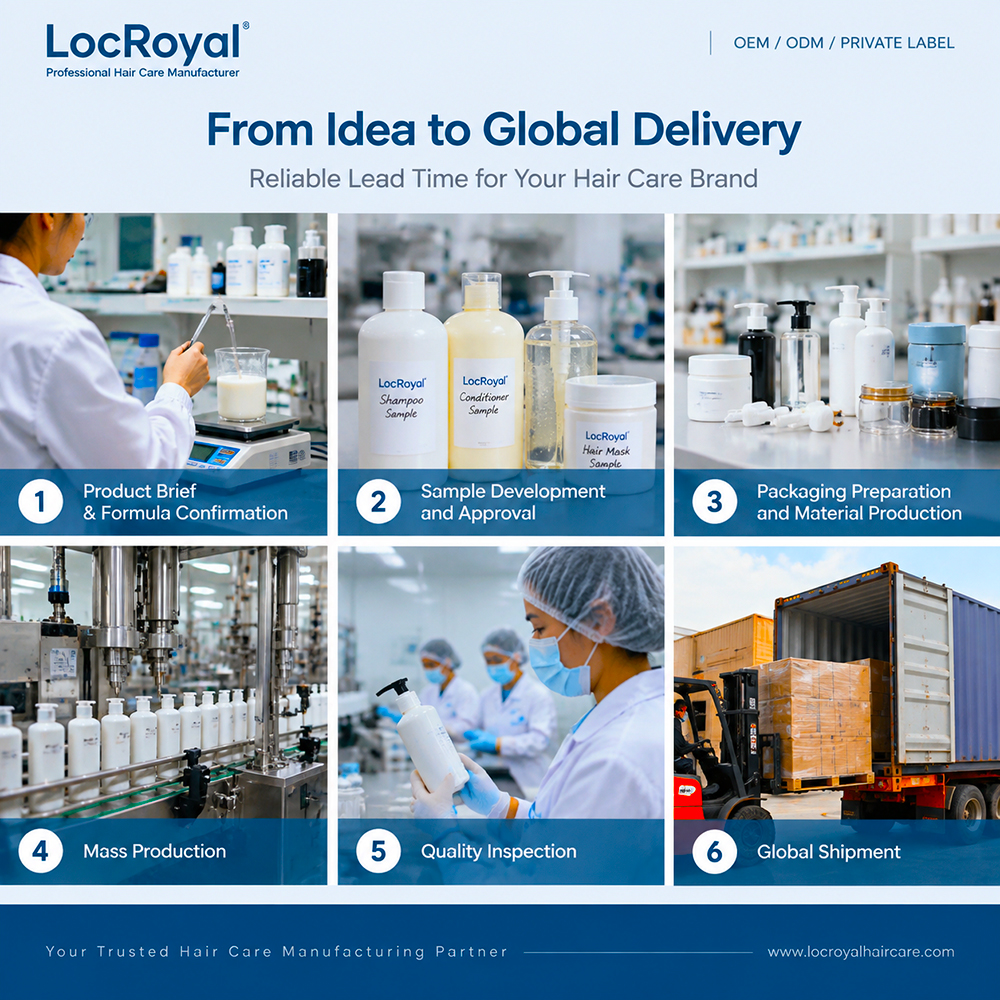
For a closer look at the stages involved, read LocRoyal’s custom hair care formulation process.

Questions to Ask Your Manufacturer
Before choosing a ready-made, semi-custom, or fully custom formula, ask your manufacturer these questions:
- Is this an existing formula or a newly developed formulation?
- Which ingredients and product characteristics can be changed?
- Which changes require additional testing?
- How many sample revisions are included?
- Will the approved formula be documented before production?
- Can the formula be reproduced consistently at scale?
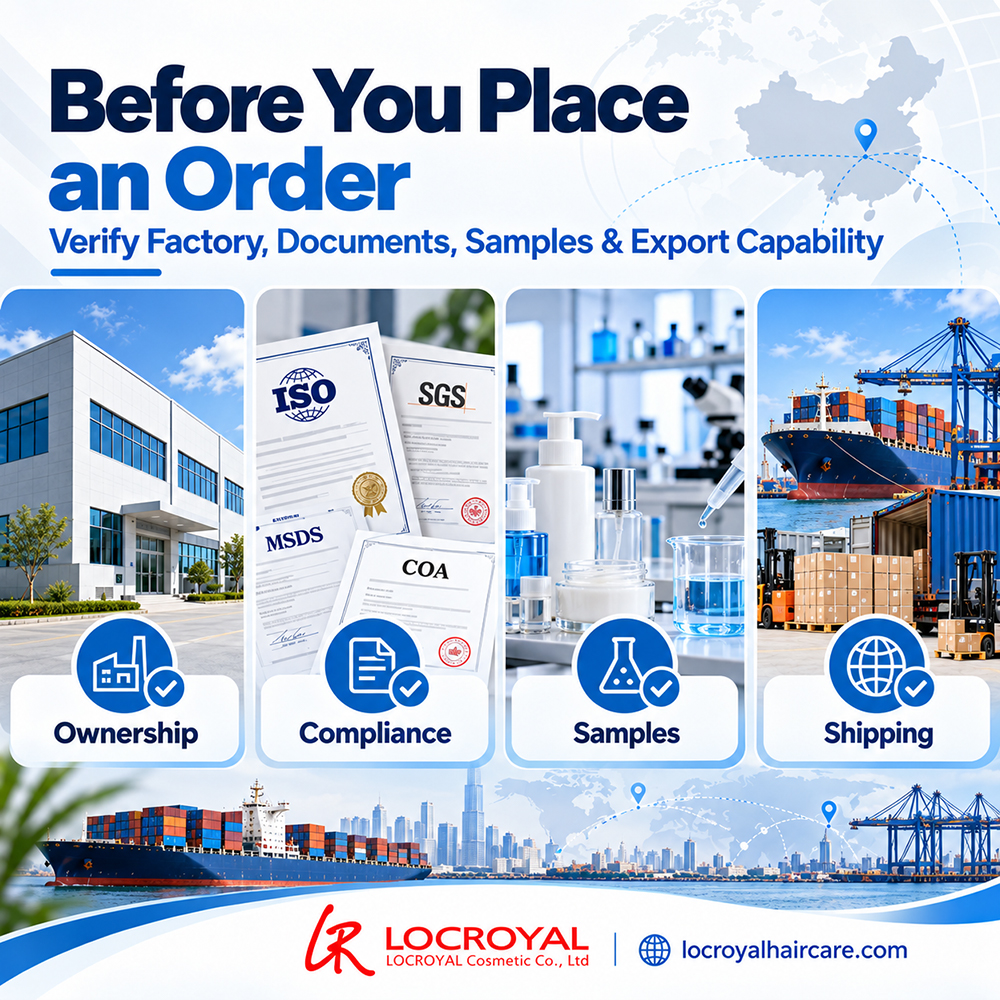
Also ask whether the manufacturer can support the documentation required for your destination market. Clear answers help you compare suppliers and reduce misunderstandings before placing an order.
How LocRoyal Supports Shampoo Formula Development
LocRoyal offers hair care OEM/ODM and private-label manufacturing services. You can discuss your product concept, target market, preferred formula characteristics, packaging, and expected quantity through the LocRoyal website.
LocRoyal is part of Foshan BonnieCo Biotechnology Co., Ltd. (BonnieCo Group), which describes itself as a beauty manufacturing group with self-owned facilities, brands, and 15 years of smart beauty manufacturing experience.
Its three core business divisions are:
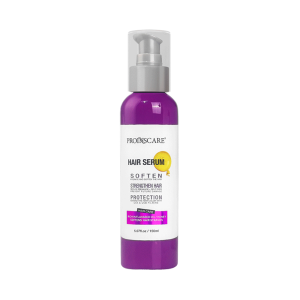
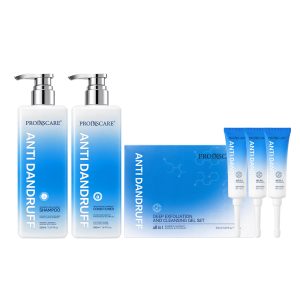
- Guangzhou LocRoyal Cosmetics Co., Ltd.: Hair care OEM and self-owned brands, including PROINSCARE and PURC.
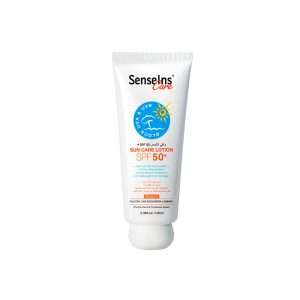
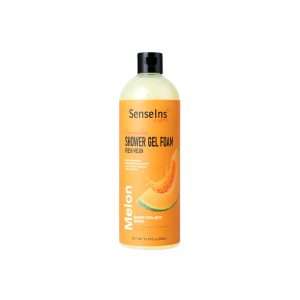
- Guangzhou BonnieCo Cosmetics Co., Ltd.: Skin care and color cosmetics OEM, including SenseInsCare and Jellyprim.
- Foshan production base: A 50,000㎡ self-owned manufacturing facility.
When discussing your project, ask which ready-made, semi-custom, or custom options are available and confirm the relevant production capabilities, documentation, and MOQ directly with the company.
Conclusion
Choosing between a ready-made shampoo formula and a custom shampoo formula comes down to your product goals, budget, timeline, and need for differentiation. A ready-made formula can simplify your launch. A semi-custom option offers a balance between convenience and flexibility. A fully custom formula gives you more control when your concept requires specific product characteristics.
Before making a decision, compare samples, confirm the available modifications, understand the testing requirements, and request a clear quotation.
Ready to develop your shampoo brand? Contact LocRoyal to discuss your concept and explore a formulation approach that fits your business goals.
Frequently Asked Questions
1. What is the difference between ready-made and custom shampoo formulas?
A ready-made shampoo formula uses an existing formulation, while a custom shampoo formula is developed around specific product requirements.
2. Is a stock shampoo formula cheaper?
It may involve less development work, but total costs depend on ingredients, packaging, MOQ, testing, and production arrangements.
3. What is a semi-custom shampoo formula?
It starts with an existing formula and allows selected changes, such as fragrance, color, viscosity, or sensory profile.
4. Is a custom shampoo formula better for brand differentiation?
It offers more flexibility to develop a distinctive product, but the final result depends on the formulation and execution.
5. Which shampoo formula is best for startups?
Ready-made or semi-custom formulas may suit startups seeking a simpler launch. The best option depends on budget, customer needs, and product goals.
6. Does custom shampoo manufacturing require more time?
It can require more development and testing, especially when multiple revisions or complex requirements are involved.
7. Can I change the fragrance of a ready-made shampoo formula?
Possibly. Your manufacturer must confirm whether the fragrance change is compatible with the formula and whether additional testing is needed.
8. How does OEM shampoo formulation work?
It typically involves defining product requirements, evaluating samples, approving the formula, confirming packaging, and arranging production.
9. How do I choose a private label shampoo formula manufacturer?
Compare formulation capabilities, sample quality, communication, quality controls, MOQ, pricing, and support for your target market.
10. Does LocRoyal offer custom shampoo manufacturing?
LocRoyal offers hair care OEM/ODM and private-label services. Contact the company to confirm available formula options, customization, MOQ, and development requirements for your project.