Choosing the right shampoo formula is an important step in building a successful hair care brand. Customers have different needs, from controlling excess oil to caring for dry, damaged, or color-treated hair. A formula that suits one audience may not satisfy another.
That is why selecting a private label shampoo formula should begin with your target customers, not just a list of popular ingredients.
Whether you are launching a salon brand, entering retail, or expanding your existing product line, the right shampoo formulation should match your customers' needs, brand identity, and budget. This guide explains how to choose a formula and work with a manufacturer to develop a product for your target market.
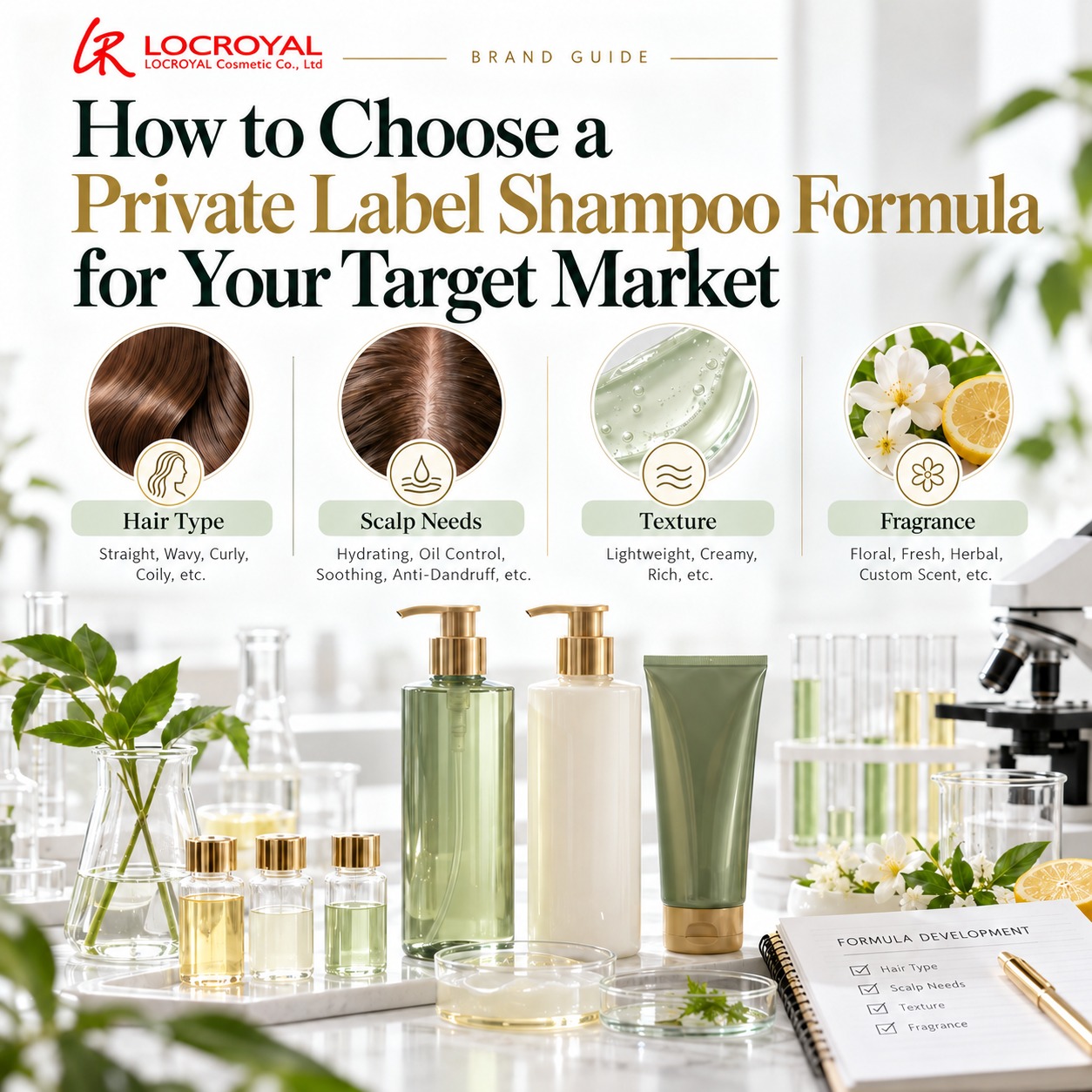
Start With Your Target Consumer, Not the Ingredient List
Before choosing ingredients, identify who will buy your shampoo. Your target consumer influences cleansing strength, conditioning, fragrance, texture, packaging, and price.
For example, customers who wash their hair daily may prefer a different cleansing experience from those who need occasional deep cleansing. Premium salon customers may also have different expectations from budget-conscious shoppers.
Use these questions to define your product concept:
| Question | Examples |
|---|---|
| Hair type | Dry, oily, damaged, curly |
| Main concern | Frizz, oil, breakage, dandruff |
| Usage | Daily, salon, treatment |
| Positioning | Mass market, premium, professional |
| Target market | Southeast Asia, EU, USA |

Climate, washing habits, and local preferences can also influence product choices. Research your intended customers instead of assuming everyone in a market wants the same product.
A professional shampoo formula manufacturer should understand your audience and business goals before recommending a formulation. A clear customer profile makes shampoo formula development more focused and practical.
Define the Main Shampoo Function
Once you understand your audience, decide what your shampoo should do. A clear purpose helps guide your custom shampoo formula and gives customers a reason to choose your product.
Common shampoo categories include:
- Moisturizing shampoo: Helps hair feel soft and less dry.
- Repair shampoo: Targets damaged-looking hair and improves manageability through conditioning.
- Oil-control shampoo: Cleanses excess oil and leaves hair feeling fresh.
- Anti-dandruff shampoo: Addresses dandruff concerns, subject to applicable ingredient and regulatory requirements.
- Color-care shampoo: Designed for color-treated hair.
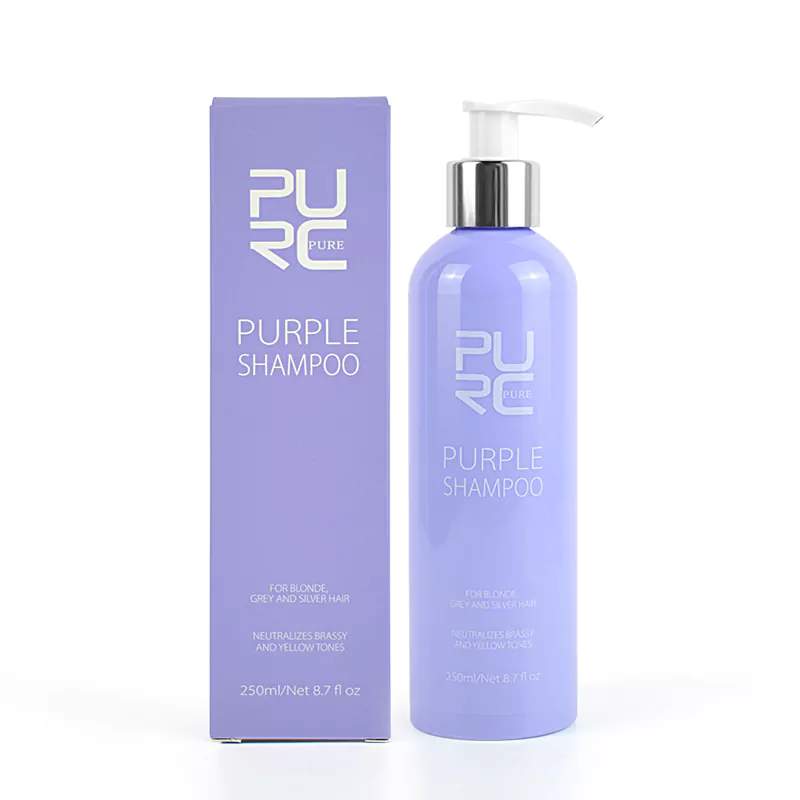
- Purple shampoo: Uses purple pigments to help reduce unwanted yellow tones in suitable lightened hair.
- Volumizing shampoo: Aims to leave hair feeling lighter and fuller.
- Baby or gentle shampoo: Designed with age-appropriate safety and mildness requirements in mind.
- Men’s shampoo: May focus on convenient packaging, fresh fragrance, or specific cleansing preferences.
You do not need to launch every category at once. Start with one clear product concept, then expand when you understand your customers’ needs.
Your claims must also match the evidence and rules in your destination market. Discuss these requirements with your manufacturer before finalizing the formula.
Choose the Right Cleansing Level
Cleansing strength affects how a shampoo removes oil, sweat, and styling-product buildup. The goal is to find a suitable balance between cleansing performance and the hair feel your customers expect.
Gentle cleansing may suit daily-use products, dry hair, or products positioned around mild cleansing.
Balanced cleansing can be a starting point for mainstream shampoos intended for regular use.
Deep cleansing may suit oily scalps or customers who frequently use styling products. However, stronger cleansing is not automatically better for everyone.
Remember, more foam does not automatically mean better cleansing. Foam affects the washing experience, but foam volume alone does not prove cleaning effectiveness.
During custom shampoo formulation, ask your manufacturer how the cleansing system fits your intended users. Test samples for cleansing, rinse feel, and after-feel rather than judging them by foam alone.
Define the Sensory Experience
Customers notice how shampoo looks, smells, spreads, and rinses. These details should be included in your custom shampoo formula brief.
Foam: Choose a rich, dense, creamy, or lightweight experience according to your product concept.
Viscosity: Decide whether you want a thin, medium, or thick formula. The right consistency should work with your bottle, pump, and dispensing method.
Rinse feel: Consider whether the product should leave hair feeling clean and light, soft and conditioned, or smooth without heaviness.
After-feel: Define your desired result, such as smooth, moisturized, lightweight, or fuller-feeling hair.
When evaluating samples, consider the complete washing experience, including how easily the shampoo spreads and how the hair feels after drying.
Share specific feedback with your shampoo formula manufacturer. Clear comments about thickness, rinsing, and conditioning make adjustments easier during shampoo formula development.
Consider Fragrance, Color, and Appearance
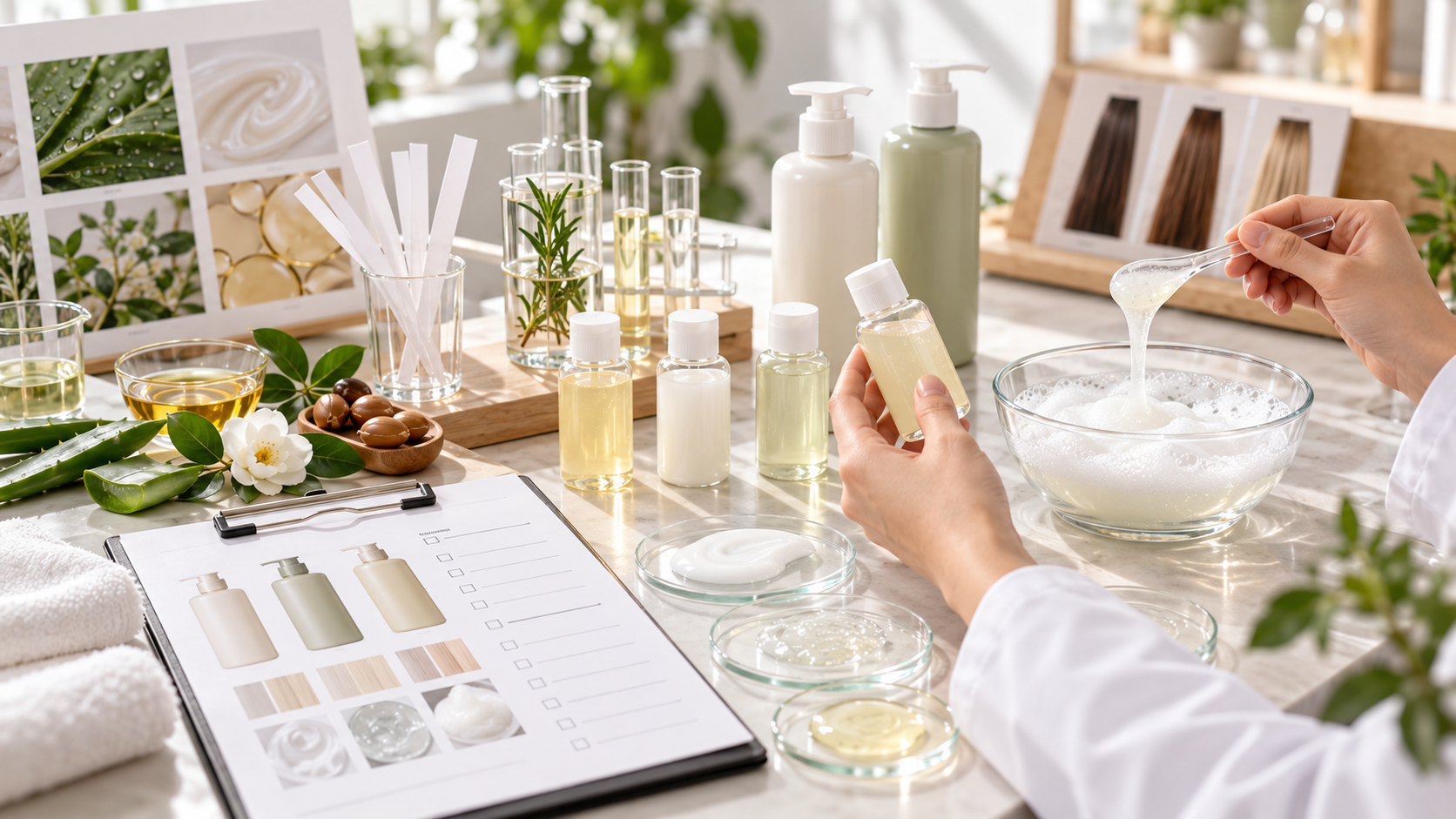
Fragrance and appearance help create a recognizable product identity. They should be considered early in private label shampoo formulation. Possible fragrance directions include floral, fruity, fresh, woody, salon-style, and perfume-inspired scents. Choose a direction that fits your brand positioning and target audience.
Appearance is equally important. Your shampoo may be transparent, pearlescent, creamy, or colored, depending on the formula and design concept. Ask your manufacturer whether the preferred fragrance, color, and texture are compatible with the formula. These elements can influence stability and the finished product’s appearance.
Before approving a sample, evaluate the formula in its intended packaging. This helps confirm that the product delivers the experience you want customers to receive.
Consider Your Target Market
A shampoo intended for one country may need adjustments before being sold elsewhere. Consumer preferences, ingredient restrictions, labeling rules, claims, and documentation can vary between markets.
For example, products entering the EU must meet applicable EU cosmetics requirements, including safety assessment, labeling, and notification obligations. In the United States, brands must assess applicable federal cosmetic requirements, including relevant MoCRA obligations.
Before approving your private label shampoo formula, confirm:
- Destination countries and sales channels.
- Applicable ingredient restrictions and product classification.
- Safety and product documentation requirements.
- Local language and labeling rules.
- Evidence needed to support product claims.
Share these details with your manufacturer early. A well-planned custom shampoo formulation can help reduce avoidable changes to the formula, packaging, or label later.
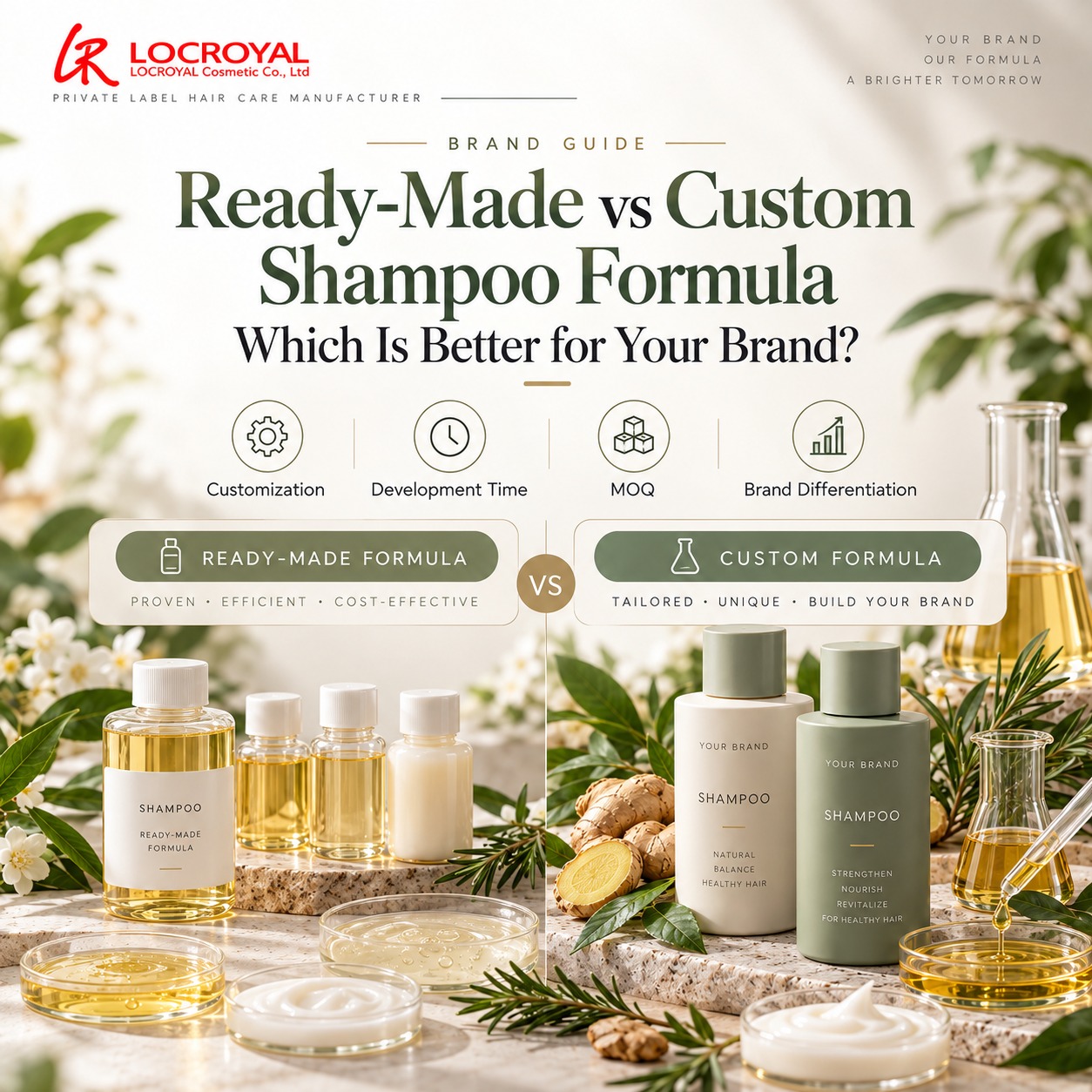
Existing Formula or Fully Custom Formula?
When developing a product, you can usually consider an existing formula or a more customized approach. An existing formula may be a practical starting point if you want a straightforward launch and your manufacturer offers a suitable option. Customization may be possible for fragrance, color, viscosity, or other agreed features.
A fully custom shampoo formula provides greater flexibility for specific product requirements, but it may involve additional development, testing, time, and cost. The best option depends on your budget, timeline, order quantity, and differentiation goals. Ask your manufacturer which options are available and what changes are technically feasible.
What Information Should You Send Your Shampoo Manufacturer?
A clear product brief helps your manufacturer understand your expectations before preparing samples. Include the following information:
- Target market: Where will you sell?
- Hair and scalp type: What customer needs will you address?
- Main benefits: Moisturizing, oil control, color care, or another purpose?
- Ingredients: Any preferences or exclusions?
- Fragrance: Fresh, floral, fruity, woody, or fragrance-free?
- Texture and color: What should the shampoo look and feel like?
- Packaging: Bottle, pump, tube, or another format?
- Target price: What is your intended product cost?
- Estimated quantity: How many units do you plan to order?
You do not need to create the technical formula yourself. Your brief should explain the desired product and business requirements so the manufacturer can recommend an appropriate development route.
How LocRoyal Supports Custom Shampoo Development
LocRoyal offers hair care OEM/ODM and private-label services. Buyers can discuss their shampoo concept, target market, packaging preferences, and production requirements through the LocRoyal website.
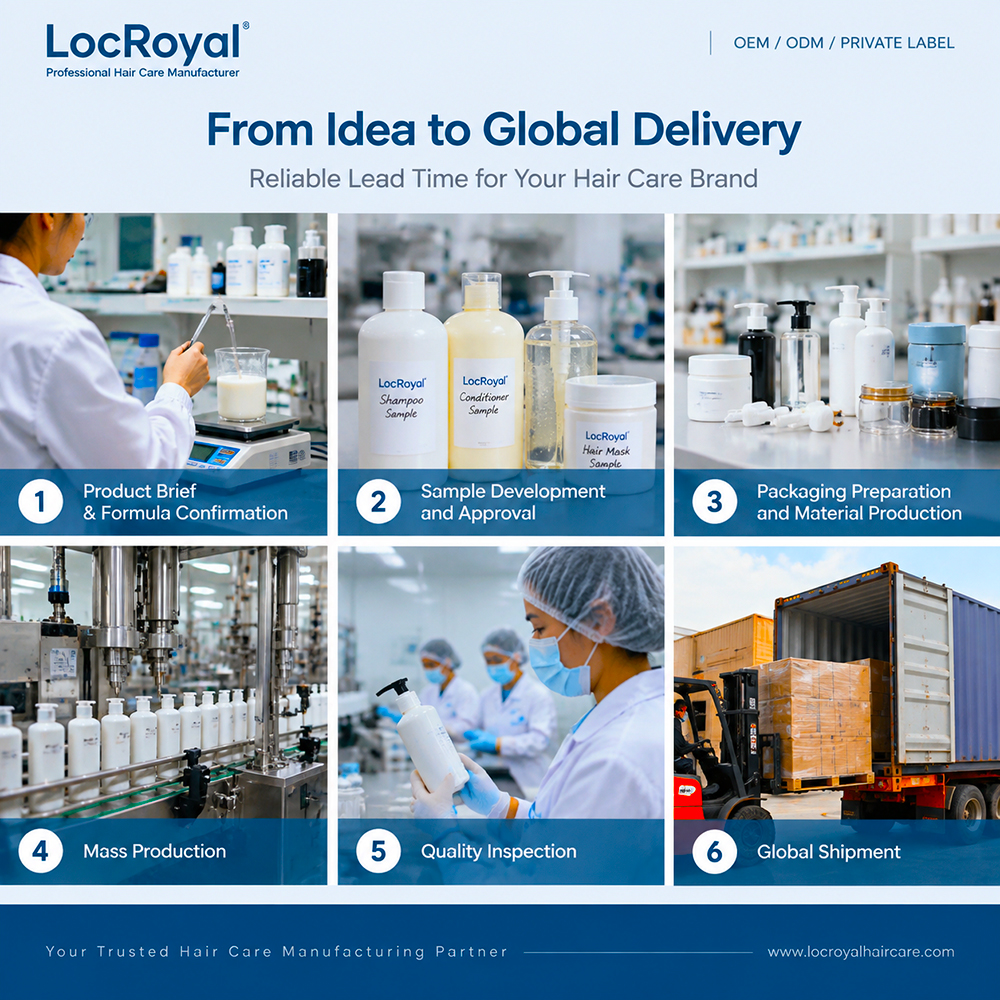
A typical development process includes:
- Planning: Define your customers, product function, market, and budget.
- Sample development: Evaluate an existing formula or develop a custom option.
- Feedback: Review cleansing, fragrance, texture, and after-feel.
- Formula approval: Confirm the sample and complete relevant technical and compliance reviews.
- Packaging: Select suitable packaging and prepare labeling.
- Production: Confirm specifications, quantities, and quality requirements before manufacturing.
About BonnieCo Group
Foshan BonnieCo Biotechnology Co., Ltd. (BonnieCo Group) describes its business as beauty manufacturing supported by self-owned production facilities, brands, and global manufacturing experience.
The group operates three core business divisions:
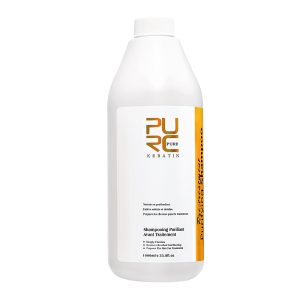
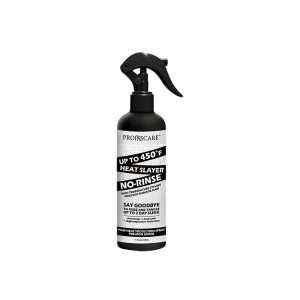
- Guangzhou LocRoyal Cosmetics Co., Ltd.: Hair care OEM and self-owned brands, including PROINSCARE and PURC.
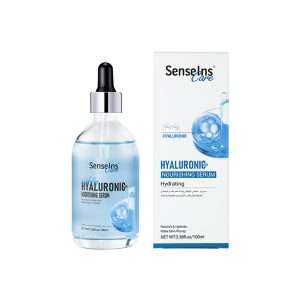
- Guangzhou BonnieCo Cosmetics Co., Ltd.: Skin care and color cosmetics OEM, including self-owned brands SenseInsCare and Jellyprim.
- Foshan production base: A 50,000㎡ self-owned manufacturing facility.
The group states that it has 15 years of smart beauty manufacturing experience. Confirm the specific certifications, capabilities, and documentation available for your project directly with the company.
To discuss your product concept, contact LocRoyal and explore its hair care manufacturing services.
Conclusion
Choosing the right private label shampoo formula starts with understanding your target customers, defining the shampoo’s main function, and deciding on the cleansing level, texture, fragrance, and appearance. You must also consider your budget, packaging, and destination-market requirements before approving the formula.
Working with an experienced shampoo formula manufacturer can help you evaluate samples, refine the product, and prepare for production. Whether you choose an existing formula or a custom shampoo formulation, clear communication is essential.
Define your goals, share a detailed product brief, and test your samples carefully. With a structured development process and a formula suited to your audience, you can build a shampoo product that fits your brand and market needs.