You have a hair mask business idea. Perhaps you currently sell hair styling products or shampoo, and a hair mask seems the logical extension to those. Or perhaps you are beginning afresh, and you continue to hear that one of the fastest-growing categories in hair care is the use of hair masks. Either of you has most likely searched Google at least 1000 times with the query of hair mask manufacturer to see who can make your idea a reality and a sellable product.
The good news is that to operate a hair mask brand, you do not have to have a lab or purchase factory equipment. A good hair mask manufacturer can take the heavy lifting off your shoulders, formula to fill the tube, as you concentrate on marketing and selling. This guide includes what private label is all about, what to consider when visiting a hair mask factory, and why the right partner can either make or break your launch.
What Does “Private Label Hair Mask” Actually Mean?
A hair mask under your label is produced with a ready or a slightly modified formula, packed, and labeled under your company name. You are not making a new formula out of nothing. You are selecting recipes that have been tested and tried, wrapping them up, including your logo, and selling them under your brand.
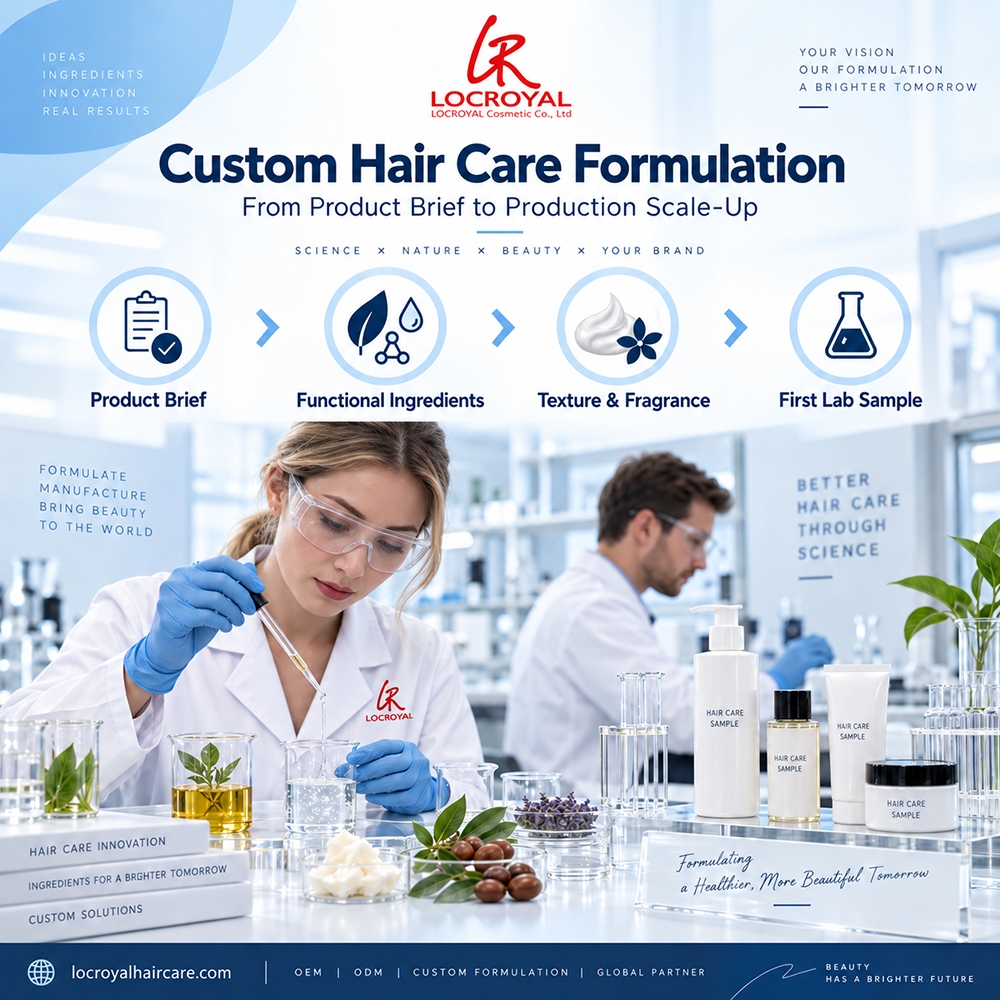
A hair mask private label program is not similar to a custom formulation, which typically falls under OEM or ODM service. In OEM, you come up with your own idea of a formula, and the factory manufactures it. ODM, in which case, the research team of the factory formulates the formula, based on your goals and budget. Most individuals talk about the two interchangeably as private label, and a good hair mask factory must be adaptable enough to accommodate either option, depending on your brand.
Pace and price are the reasons why private label is so popular. By bypassing R&D and simply launching into an established hair mask supplier’s system, you can be in the market in weeks as opposed to years, which is a massive boost to new brands and a low-risk method to have an established line diversify.
Why Brands Choose a Custom Hair Mask Over Generic Products
Would you prefer to sell a product that would resemble those of others, or one that would be uniquely yours? And that is the worth of a custom hair mask. Customers read ingredient labels, reviews, and demand packaging that matches the promise on the jar.
With a custom hair mask, you can choose virtually everything: the smell, the feel, and the essential components such as keratin, collagen, or argan oil. This is important since hair care consumers are not simply buying a product, but a story. When your formula, scent, and bottle color are all telling that story, you create repeat customers, rather than one-time customers.
Getting between I want a custom formula, and I have boxes ready to ship, how do you do that? That begins by selecting the appropriate manufacturing partner.

What to Look for in Hair Mask Suppliers
Not all hair mask suppliers are created equal. Others are trade-outs that purchase the production of another company and sell it at a higher price. Others are factories which focus on skin care and consider hair products as a by-product. You want neither.
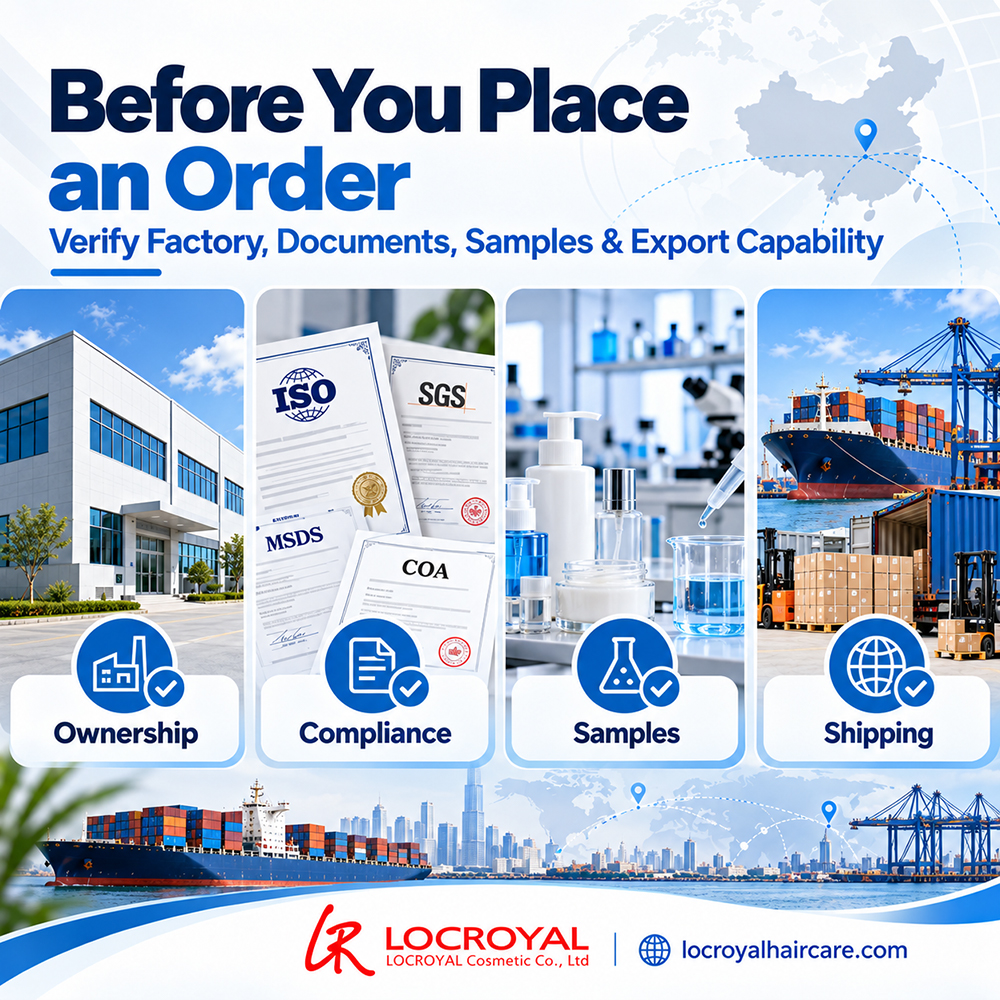
The following is a small list to use when screening hair mask vendors:
- Do they own their factory, or resell someone else’s production?
- Do they hold certifications like ISO, GMPC, FDA, or CPNP?
- Can they show a real production facility, not just stock photos?
- Do they have an in-house R&D team, or just a fixed catalog?
- What is their minimum order quantity?
A real hair mask manufacturer will not hesitate to answer these questions. When a supplier avoids inquiries about the size of the facility or certification, chances are that you have to work with a middleman, and not the producer.
Should you then choose the cheapest hair mask companies that you can find, or spend more on better credentials? Now, we will take a look at that.
Hair Mask Companies: Cheap Price vs. Real Value
Money issues, particularly with a limited budget. However, the pursuit of the cheapest quote amongst hair mask vendors may backfire. Low prices can also equate to low quality, bad batches, or a lack of quality checks that are difficult to repair once the reviews begin to come in.
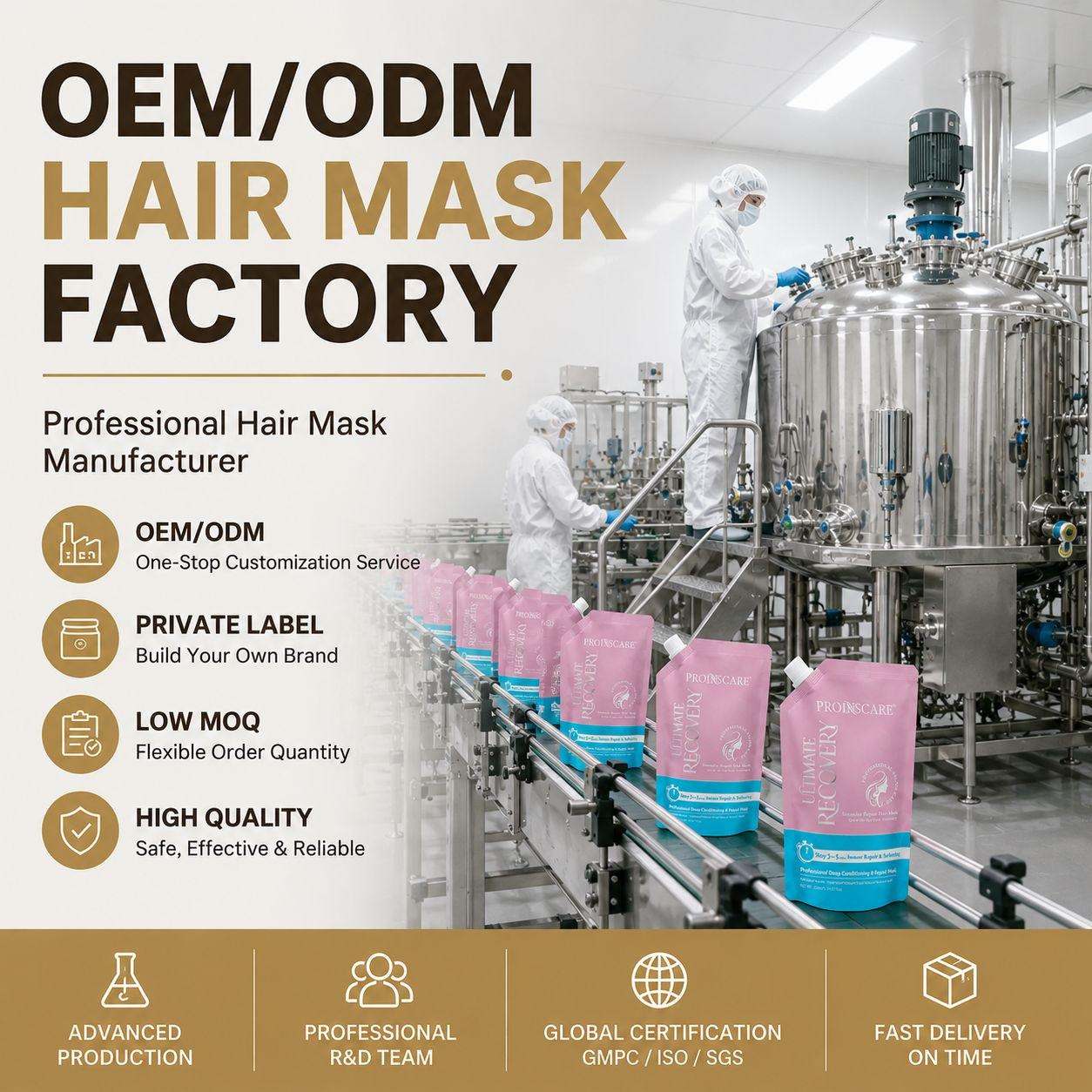
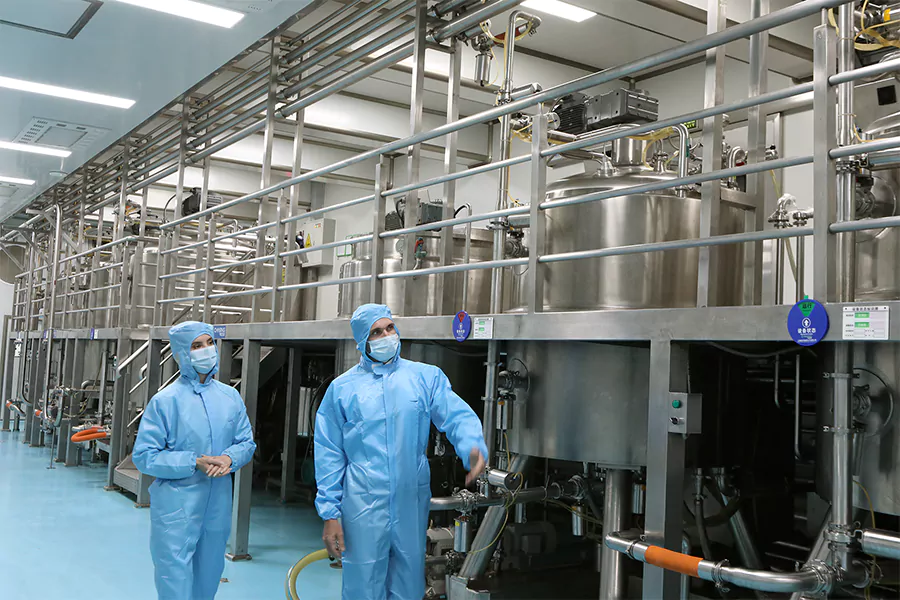
It is smarter to compare different hair mask companies on value and not sticker price alone. A factory that has dust-free workshops, automatic production lines, and high daily output capacity has more consistent results as compared to a small operation on old equipment. It is possible that the unit price is a bit more, but you are buying a smaller number of defects and the promised performance.
The most effective hair mask companies understand that long-term relationships are more significant than the additional profit out of a first order. They desire your second, third, and tenth orders, not your first.
That brings up another question that every brand owner asks: how do you get product out of the factory floor to your customers?
Wholesale Hair Mask and Distribution
When you have your formula and packaging locked, the next thing is volume. This is where wholesale ordering of hair masks comes in. Purchasing in large quantities reduces your unit price, so you can make better margins at retail or online.
But wholesale only succeeds when your partner is able to scale with you. Growth is achieved by constructing a factory that has a high production capacity and several production lines. When you are going to scale up a small first order to thousands of units in a year, you require a hair mask factory that can keep up without sacrificing the consistency between batches.
The right hair mask distributor network also comes in handy at this stage, particularly in foreign markets. A distributor is able to negotiate customs, domestic regulations, and retail connections where you do not exist. Since a good distribution is the quickest method to expand outside of your domestic market, it is often paired with a dependable factory.
How OEM Hair Mask Production Actually Works
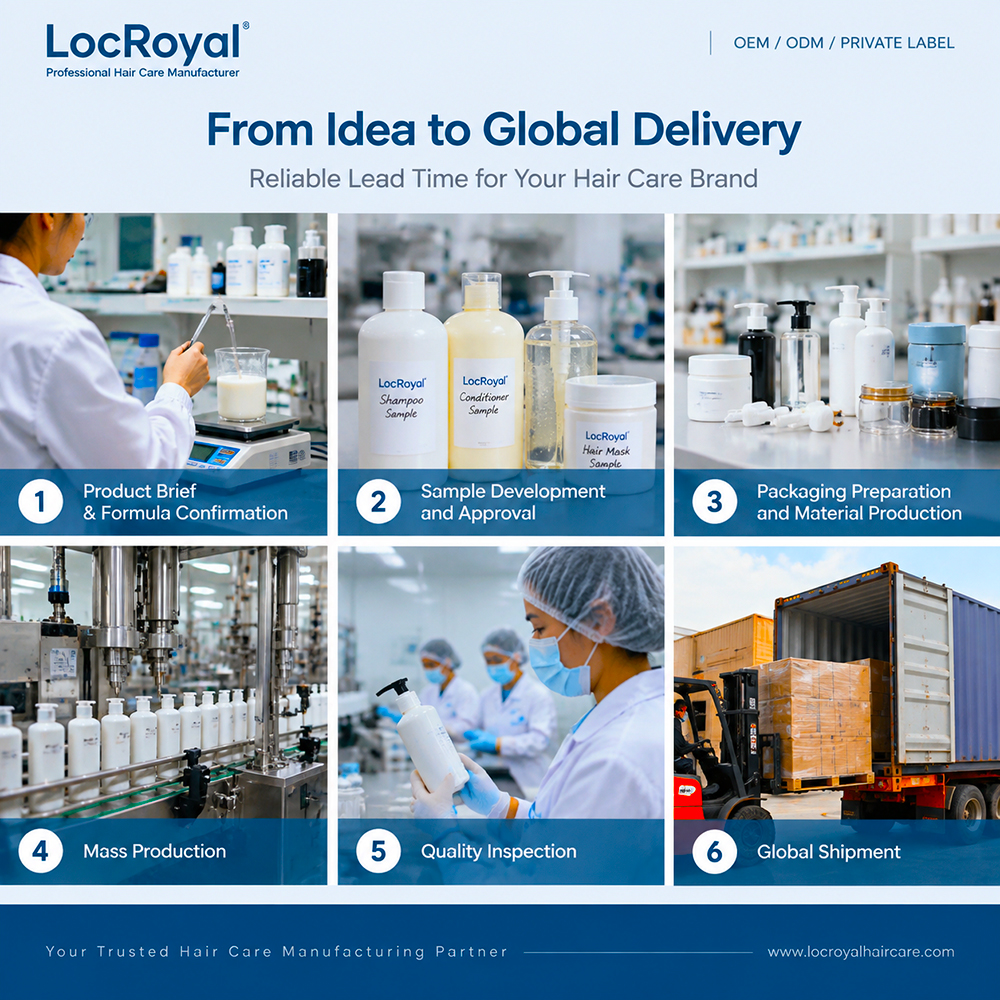
In case you have not undergone the OEM hair mask procedure, it tends to simplify into a couple of transparent procedures. To start with, select your formula foundation, such as argan oil for dry, frizzy hair or collagen for damaged hair that has been colored. Second, design your branding: logo, label, bottle shape, and color scheme. Third, the factory transforms your idea into a complete product by way of sampling, approval, and complete production.
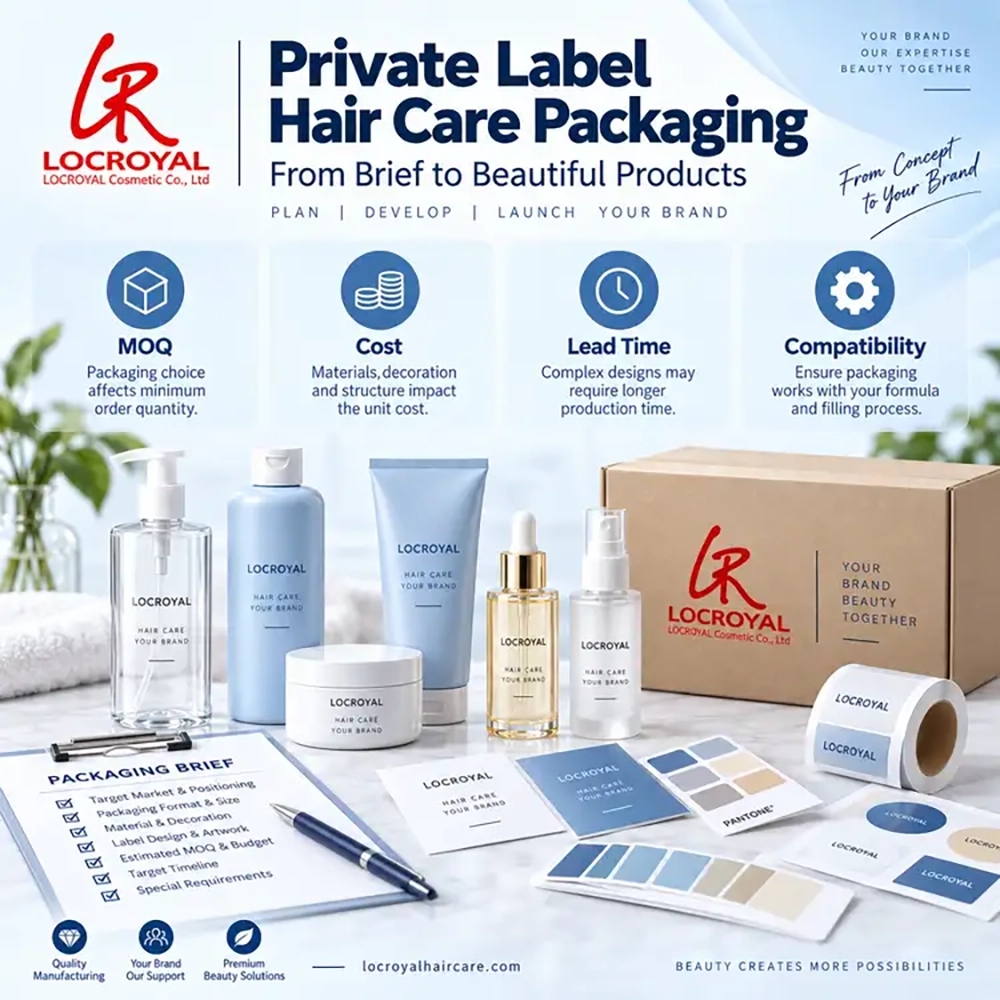
Another benefit of a reliable OEM hair mask supplier is free packaging design for any hair mask private label, as most of the factories already have a design team. They ought to take you through some sample costs, payment terms, and realistic delivery schedules to avoid coming back to see them later.
MOQs vary with customization. A private labeling of an existing formula can begin with as few as 1,000 pieces. Completely tailored recipes, smells, and bottles typically cost 3,000 or more, as the factory must rationalize a special batch.

Why Factory Certifications Actually Matter
Certifications are not thrilling, and they make you know whether a factory is serious about safety and consistency. Quality management standards are reflected in ISO. GMPC, FDA, BPOM, and CPNP assure that a manufacturer adheres to established safety guidelines in the global markets.
This is important since retailers, marketplaces, and customs authorities in most countries require evidence of these certifications, unless they permit your product to be sold or imported. Bypassing this process with an unverified factory, one may receive the package when it is held at customs, or withdrawals of the product that have already been offered in the store after the delivery.
This is the depth of operation that you have with established manufacturers of hair care. An example is Take Foshan BonnieCo Biotechnology Co., Ltd. (BonnieCo Group): a self-owned factory with its own brands, with global certifications and 15 years of experience in manufacturing smart beauty products.
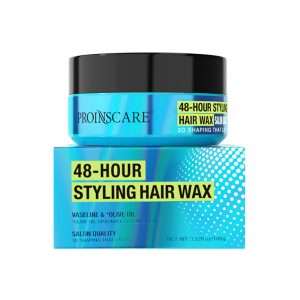
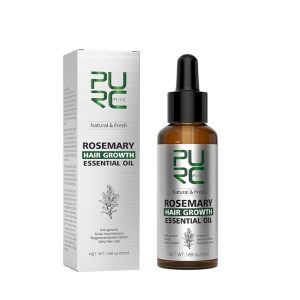
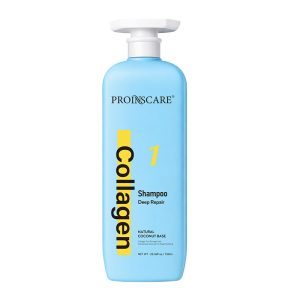
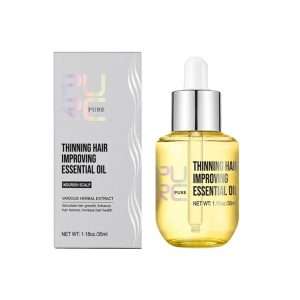
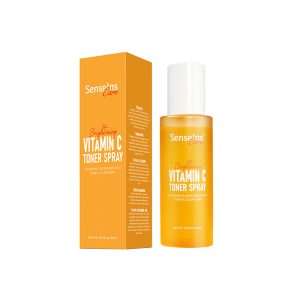
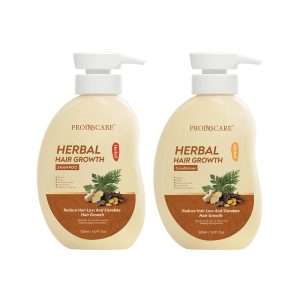
The company has three main divisions: Guangzhou LocRoyal Cosmetics Co., Ltd. of hair care OEMs and self-owned brands such as PROINSCARE and PURC; Guangzhou BonnieCo Cosmetics Co., Ltd. of skin care and color cosmetics OEMs and brands such as SenseInsCare and Jellyprim; and a 50,000-square-meter in-house production facility in Foshan to enable scale production.
That structure provides the brand owners with assurance that their requests are supported by actual infrastructure, not a sales office that forwards their requests to a stranger.
Conclusion
The idea to start a brand of hair mask is great, but the factory you select defines all that will follow, the quality of the product produced, as well as the speed at which it can grow. An efficient hair mask producer does not just fill jars. They also direct you in formulation selection, certification, and compliance, facilitate packaging design, and remain adaptable with increased volumes of your orders.
Comparing hair mask companies, researching the cost wholesale of hair masks, or finalizing on your first custom hair mask formula, the questions remain the same: Does this factory have ownership of its production? Are they able to demonstrate their certifications? Will they become your long-term partner and not a one-time customer?
Get those answers correct, and the rest of your brand-building process will be a lot less taxing.
Ready to launch your own private label hair mask brand? Contact LocRoyal Cosmetics today for expert OEM/ODM solutions, custom formulations, and scalable manufacturing support.
Frequently Asked Questions
1. What is the minimum order quantity for a private label hair mask?
It relies on customization. You can begin with a minimum of 1,000 pieces of a formula that is already there, and with a completely custom formula, scent, or bottle, you need at least 3,000 pieces or more.
2. How long does OEM hair mask production usually take?
When the order is a private label, and the order does not require any new formula, air transportation will need 3 to 7 days, sea transportation will need 25 to 45 days. Orders that are fully customized usually require 30-50 days to be approved and completed.
3. Can a hair mask manufacturer design my packaging for me?
Yes. The majority of the established hair mask vendors provide free services for designing their own labels. All you have to do is give them your logo and brand information and leave the rest to their design team.
4. Are private label hair masks tested on animals?
The responsible hair mask factory must be free of cruelty, i.e., there should be no animal testing on the completed products or ingredients.
5. What certifications should I look for in hair mask companies?
Seek ISO, GMPC, FDA, BPOM, and CPNP facilities, which assure established international safety and quality standards.
6. Can I request a sample before placing a wholesale hair mask order?
Yes, a majority of the hair mask producers permit sample requests. You normally pay the shipping cost, and the factory invoices the same and then ships the sample.
7. What payment methods do hair mask suppliers usually accept?
Bank transfer, PayPal, Western Union, and Visa card are common, but this depends on the manufacturer.
8. Is it better to work with a hair mask distributor or directly with the factory?
Direct cooperation with the factory typically implies improved pricing and extended opportunities to customize. A distributor of hair masks would be useful in entering new markets that require local services in terms of logistics or regulations.
9. Can a custom hair mask include specific ingredients like keratin or argan oil?
Yes. An effective OEM hair mask partner is able to create around requested ingredients, such as argan oil, collagen, and keratin, based on your desired hair issues.
10. Do I need to be a large brand to work with a hair mask manufacturer?
No. There are numerous hair mask manufacturers, including those that specialize in private label, that deal with small brands and start-ups, which explains why MOQs of 1,000 or higher are even a possibility.
-1-300x300.jpg)