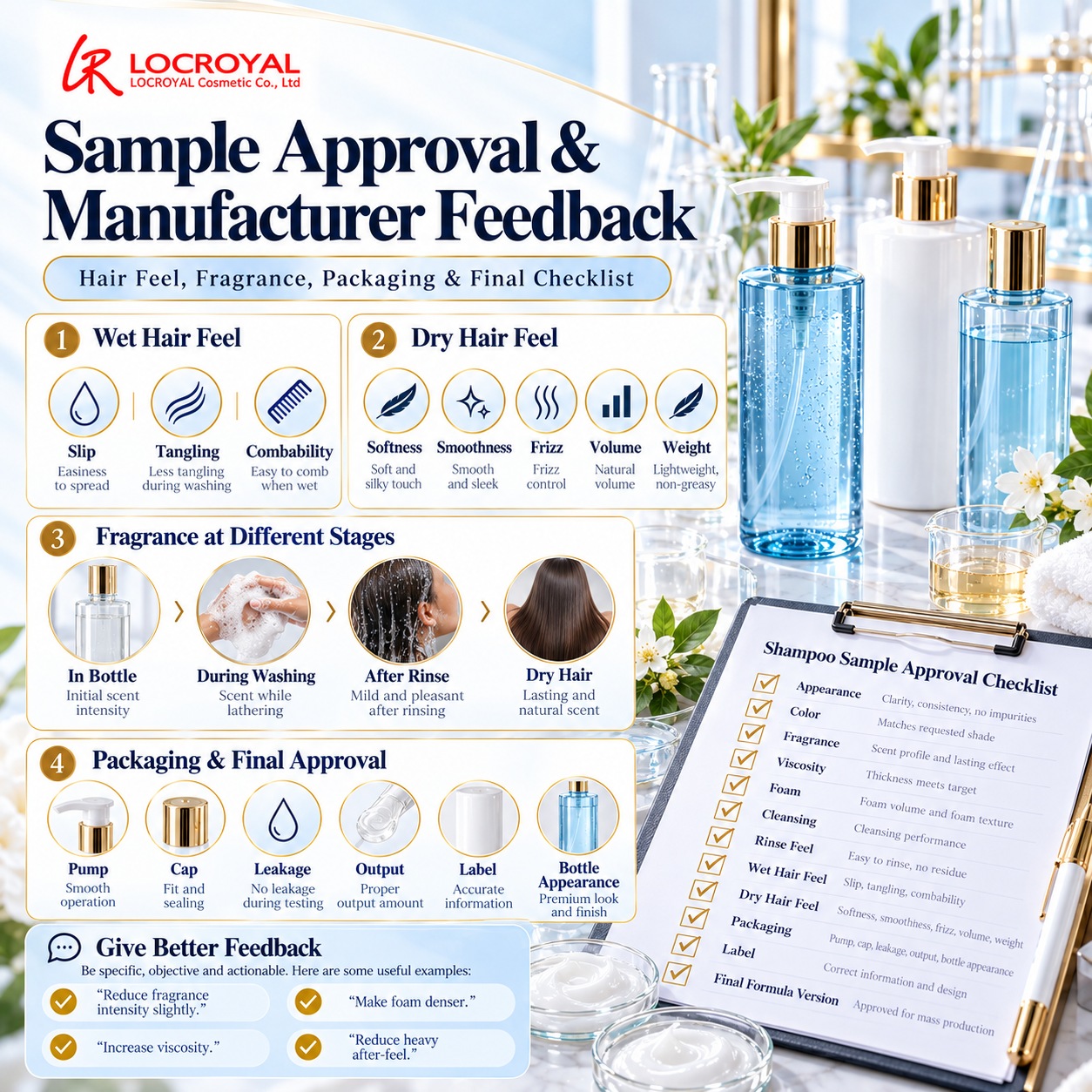
Before launching a shampoo brand, you need to make sure the product meets your expectations. A shampoo may look attractive in a bottle, but its texture, fragrance, foam, cleansing performance, and packaging also affect the customer experience.
This is why shampoo sample testing matters before mass production. Evaluating shampoo samples helps you identify problems early, request improvements, and reduce the risk of expensive changes later. Whether you are developing a new formula or reviewing private label shampoo samples, a clear testing process helps you make informed decisions.
Why Sample Approval Matters
Sample approval connects your product idea with the formula that will eventually reach customers. It gives you a chance to check performance and appearance before committing to a large order.
For example, a moisturizing shampoo may have a pleasant fragrance but leave hair feeling heavy. Another sample may clean well but feel too watery or produce less foam than expected.
Careful shampoo product testing helps you identify these differences and decide what needs improvement. It also helps you confirm that the manufacturer understands your requirements.
However, sensory evaluation alone cannot confirm product safety, long-term stability, or microbiological quality. These areas may require additional technical testing. Before approving a sample, establish clear acceptance criteria and document the formula version being reviewed.
Compare the Sample With Your Original Brief
The best way to evaluate a pre-production shampoo sample is to compare it with your original product brief. This helps you judge the sample against your actual goals instead of relying on first impressions.
Review these six areas:
- Function: Does the shampoo provide the intended cleansing experience?
- Sensory experience: Are the texture, foam, and rinse feel appropriate?
- Fragrance: Does the scent match your selected fragrance direction?
- Appearance: Are the color, clarity, and overall finish correct?
- Packaging: Does the bottle and closure suit the formula?
- Positioning: Does the product fit your target customers and price range?
For example, a premium salon shampoo may need a different texture and presentation from an affordable daily shampoo.
Record your findings for each sample. Consistent notes make shampoo sample approval easier, especially when comparing multiple formulas.
Evaluate Appearance
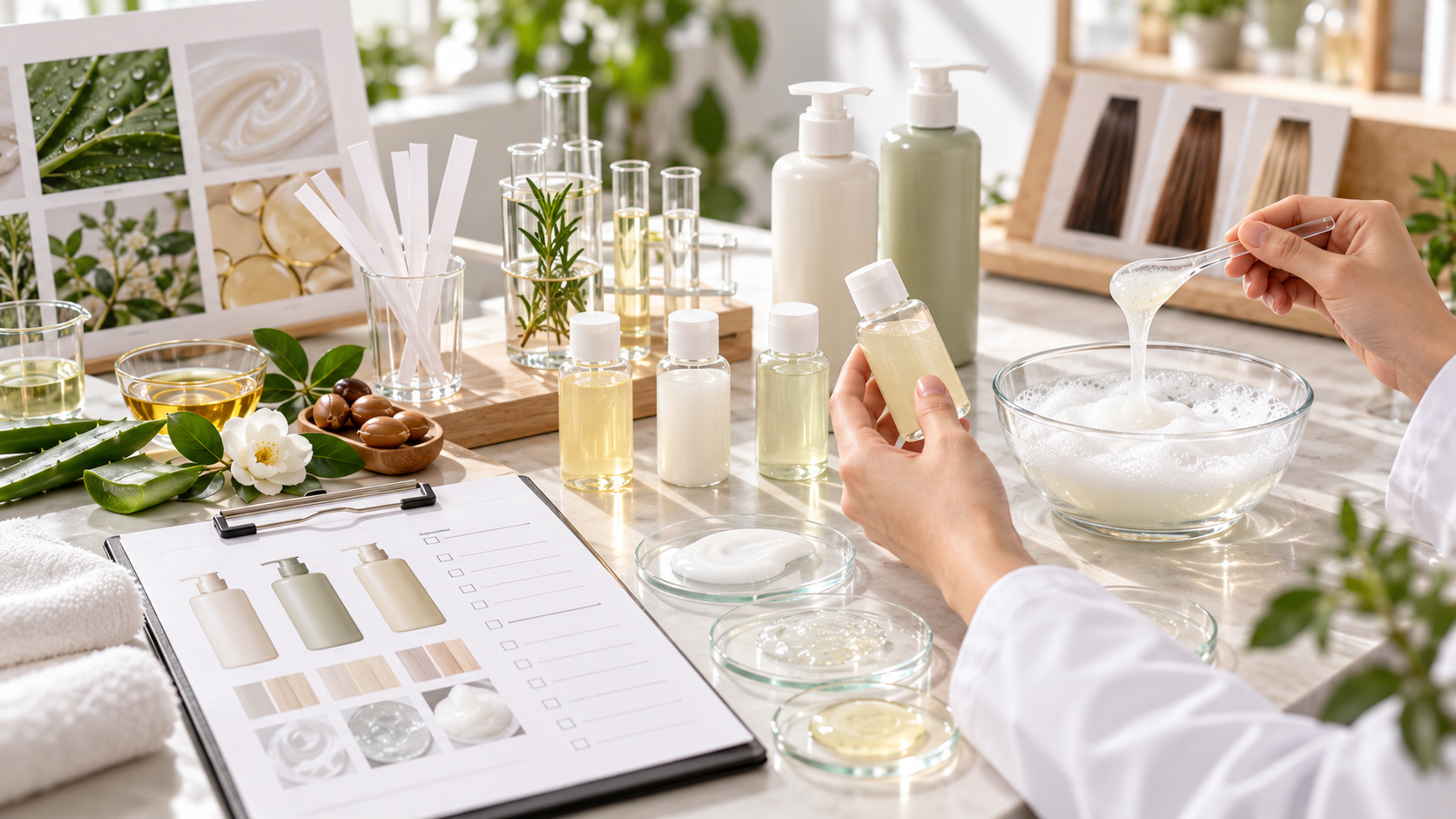
Appearance creates the first impression, but it should always match the product brief. During shampoo quality testing, inspect the sample under consistent lighting and record any visible differences.
Color and clarity
Check whether the color matches your approved reference. Note if it appears too dark, too pale, or different from the requested shade. Some shampoos are transparent, while others are cloudy or pearlescent. Evaluate the sample according to its intended design rather than assuming one appearance is better than another.
Uniformity and separation
Look for an even appearance throughout the bottle. Check for unexpected particles, sediment, layers, or visible separation. If you notice an unusual change, inform your manufacturer and request an investigation. A visual inspection can identify concerns, but it cannot determine their cause or confirm formula stability.
Evaluate Texture and Viscosity
Viscosity describes how easily a liquid flows. It affects how shampoo pours, spreads, and moves through a pump or cap. During shampoo product testing, consider whether the formula feels right and works with your chosen packaging.
Pouring and thickness
Tilt the bottle and observe how the shampoo flows. Is it too thin, too thick, or close to your target? A watery formula may be difficult to control, while an overly thick formula may be difficult to dispense.
Spreadability and pump dispensing
Rub a small amount between wet hands to see how easily it spreads. If the shampoo uses a pump, test whether it dispenses smoothly and consistently.
Describe the result clearly when reviewing private label shampoo samples. If a numerical viscosity target is important, ask the manufacturer to measure it using an agreed method rather than relying only on touch.
Evaluate Foam
Foam influences how customers experience shampoo, although more foam does not automatically mean better cleansing. Test each sample under similar conditions, using comparable amounts of shampoo and water.
Evaluate five important features:
- Initial foam: How quickly does the shampoo begin producing foam?
- Foam volume: Is there enough foam for the intended product experience?
- Foam density: Does the foam feel creamy and compact or light and airy?
- Foam stability: Does it remain present during washing?
- Rinseability: Does the foam rinse away easily?
Record each result separately. This helps your manufacturer understand whether you want faster foam formation, denser foam, or easier rinsing. Consistent testing makes shampoo sample testing more useful because differences between samples become easier to identify.
Evaluate Cleansing and Scalp Feel
A shampoo should provide a cleansing experience that suits its intended purpose. The goal is not necessarily to remove every trace of oil, but to achieve the desired clean feel without an unpleasant after-feel.
During testing, consider these points:
- Oil removal: Does the hair feel appropriately cleansed?
- Clean feel: Does it feel fresh or coated after rinsing?
- Tightness: Does the scalp feel uncomfortably tight?
- Residue: Is there an unwanted film or heavy feeling?
Keep washing time, shampoo quantity, and water conditions as consistent as practical. These factors can influence your results.
Good shampoo quality testing combines personal observations with any technical evidence required for the product's claims. A short use test alone cannot establish that a shampoo treats a scalp condition or provides a specific clinical benefit.
Evaluate Wet Hair Feel
The experience continues after the shampoo has been rinsed away. Wet hair feel is especially important when developing products intended to leave hair manageable.
Slip and tangling
Notice how easily your fingers move through wet hair. Does it feel smooth, or does it feel rough and resistant? Check whether tangling increases during rinsing.
Combability
Gently comb the hair using the same tool and method each time. Record whether it is easy to manage or requires more effort.
If the sample causes excessive tangling, provide specific feedback rather than simply asking for a better formula. These observations help the manufacturer understand the result you want.
Evaluate Dry Hair Feel
A shampoo may feel smooth during rinsing but leave hair heavy after drying. Another may produce a lighter finish but less softness. Evaluate dry hair under reasonably consistent conditions.
Check five features:
- Softness: Does the hair feel soft and manageable?
- Smoothness: Does the finish match your expectations?
- Frizz: Is the level of frizz acceptable?
- Volume: Does the hair retain the desired body?
- Weight: Does it feel light or weighed down?
Hair type, humidity, drying methods, and other products can affect the outcome. When comparing shampoo samples, use the same testing method and, where possible, repeat the assessment.
This is particularly useful when evaluating formulas intended for different hair types or customer needs.
Evaluate Fragrance at Different Stages
Fragrance should not be judged only by smelling the shampoo in its bottle. Its intensity and character may change during washing and after the hair dries.
Follow these four stages:
In bottle → During washing → After rinse → Dry hair
- In bottle: Does the initial scent match your fragrance brief?
- During washing: Does the fragrance remain pleasant when the shampoo forms foam?
- After rinse: Is the scent too strong, too weak, or appropriate?
- Dry hair: Does the fragrance remain noticeable, and is the lasting scent acceptable?
Fragrance preferences are subjective, so consider feedback from several suitable reviewers when targeting a broad market.
Instead of writing “the fragrance is wrong,” provide clear instructions such as “reduce fragrance intensity slightly” or “make the dry-hair scent more subtle.” Specific feedback makes shampoo sample approval more efficient.

Evaluate Packaging
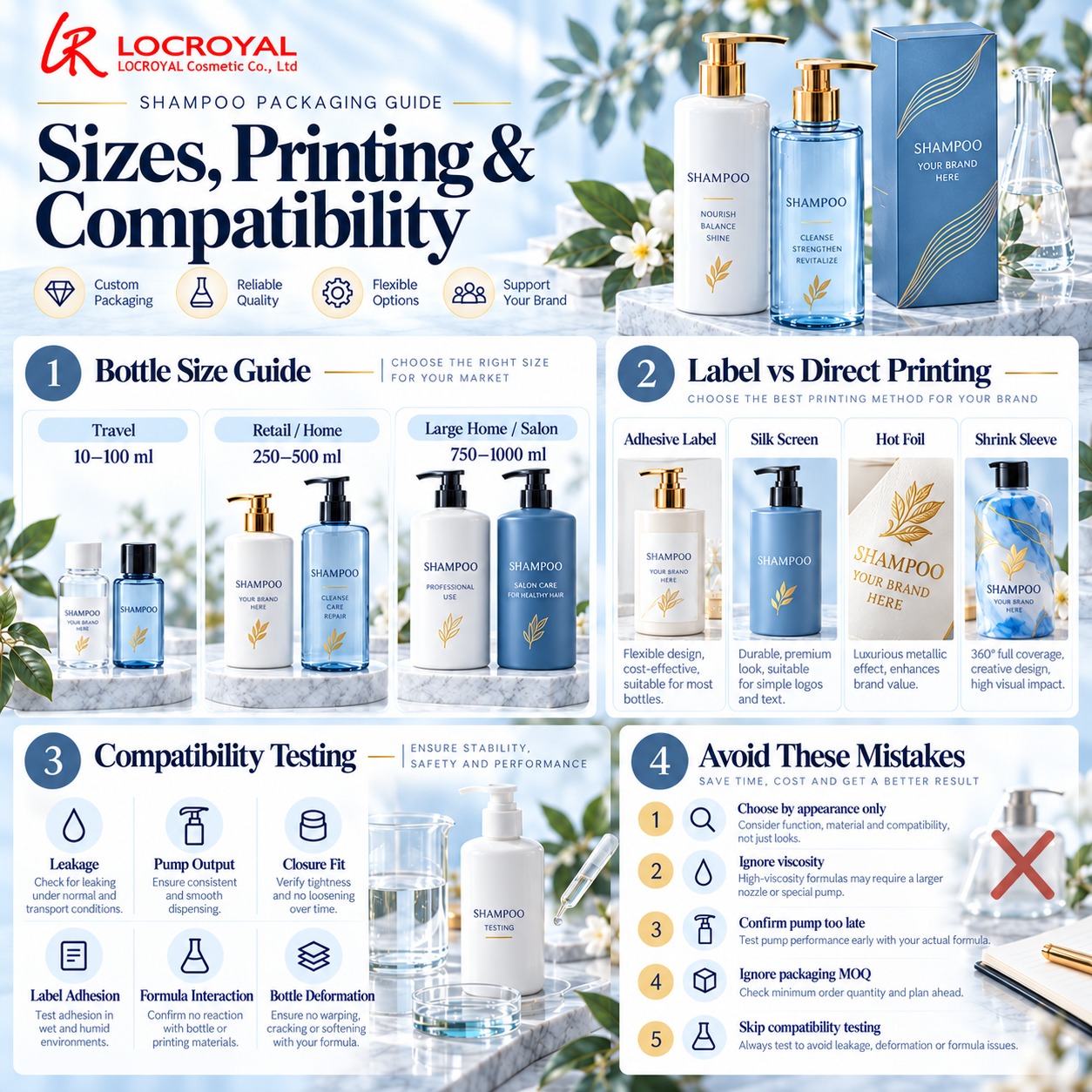
Packaging affects convenience, product presentation, and the customer's experience. Test the intended bottle and closure alongside the formula whenever possible.
Pump and cap
Check whether the pump or cap opens easily, closes securely, and operates consistently. Confirm that the shampoo can be dispensed without repeated blockage or difficulty.
Leakage and output
Inspect the bottle for leakage during normal handling. Check whether the pump delivers a suitable amount for each use.
Label and bottle appearance
Review the bottle shape, label placement, readability, color, and printing quality. Confirm that the packaging matches your brand positioning.
For custom packaging, ask the manufacturer whether the sample uses the same components planned for mass production. Compatibility testing may also be needed to assess leakage, dispensing performance, and formula-package interactions over time.
LocRoyal offers shampoo customization, including formula development and packaging options. Explore its private label shampoo manufacturing services to learn more.
How to Give Better Feedback to Your Manufacturer
Clear feedback helps your manufacturer understand what to change and makes each new sample easier to evaluate.
Avoid general comments such as “the shampoo is not right.” Describe the problem and the result you want.
For example:
- Fragrance: Reduce fragrance intensity slightly.
- Viscosity: Increase thickness while keeping the shampoo easy to dispense.
- Foam: Make the foam denser while maintaining good rinseability.
- After-feel: Reduce the heavy feeling after drying.
- Wet hair feel: Improve slip and reduce tangling.
- Packaging: Review pump output because dispensing is inconsistent.
For every round of shampoo product testing, record the sample code, formula version, review date, and requested changes. Prioritize the most important improvements and confirm that the next sample reflects the agreed revisions.
Before final approval, make sure you and your manufacturer are referring to the same formula and packaging specifications.
Final Approval Checklist
Use this shampoo sample approval checklist before authorizing mass production.
Shampoo Sample Approval Checklist
- Appearance
- Color
- Fragrance at all four stages
- Viscosity
- Foam performance
- Cleansing
- Rinse feel
- Wet hair feel
- Dry hair feel
- Packaging and dispensing
- Label and bottle appearance
- Final formula version documented
- Packaging specifications confirmed
- Required safety, stability and compliance checks addressed
- Written sample approval recorded
This checklist supports the approval process but does not replace laboratory testing or regulatory review. Requirements depend on the formula, intended claims and target market.
Conclusion
Effective shampoo sample testing helps you identify problems, improve the customer experience, and confirm that your product matches the original brief. Review appearance, viscosity, foam, cleansing, hair feel, fragrance, and packaging before making a final decision.
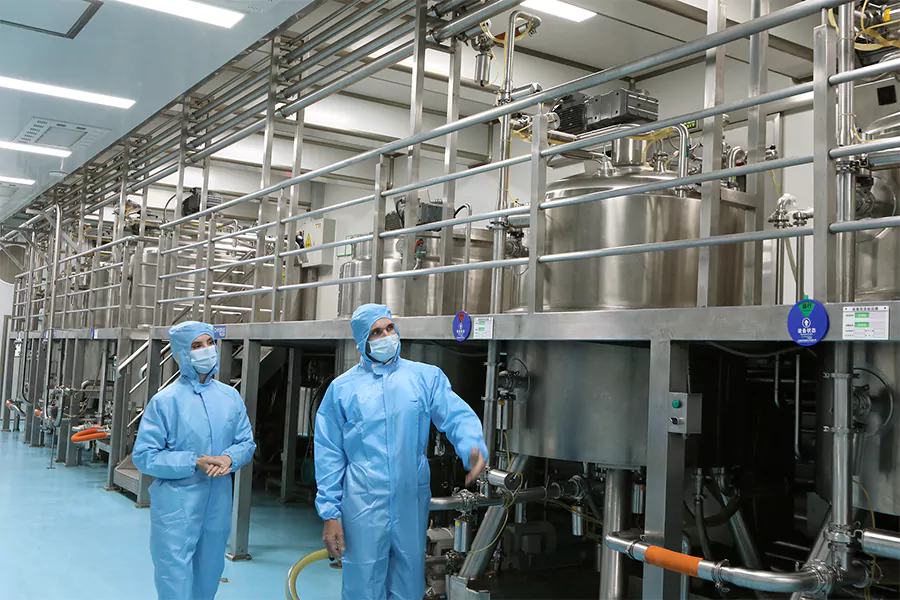
Foshan BonnieCo Biotechnology Co., Ltd. (BonnieCo Group) focuses on smart beauty manufacturing, with a self-owned factory, its own brands, global certifications, and 15 years of industry experience. Its three core business divisions are:
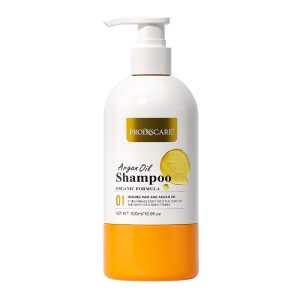
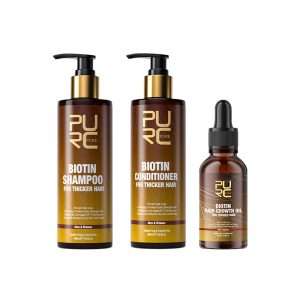
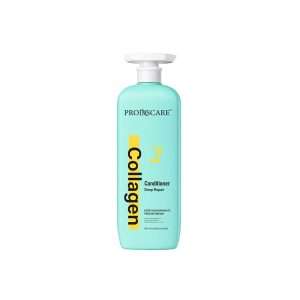
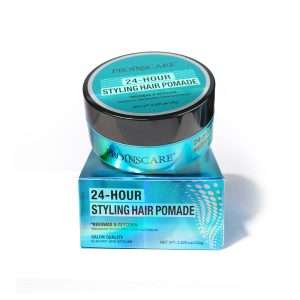
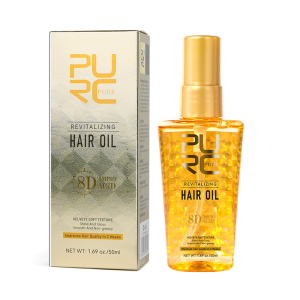
- Guangzhou LocRoyal Cosmetics Co., Ltd.: Hair care OEM and self-owned brands, including PROINSCARE and PURC.
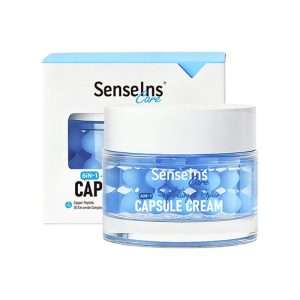
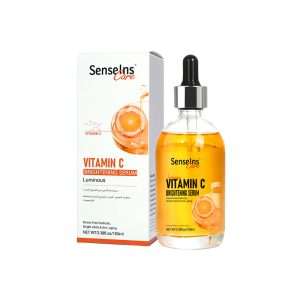
- Guangzhou BonnieCo Cosmetics Co., Ltd.: Skin care and color cosmetics OEM and self-owned brands, including SenseInsCare and Jellyprim.
- Foshan production base: A 50,000㎡ self-owned manufacturing facility.
For brands developing a new shampoo line, LocRoyal provides private-label shampoo solutions that include formula and packaging customization. Visit the LocRoyal private label shampoo page to discuss your product requirements.
By documenting feedback, confirming the final formula version, and completing the necessary checks, you can approach mass production with clearer expectations and greater confidence.