When developing hair care products, brands often face one important question: should they launch hair oil or hair serum? Although these names are sometimes used interchangeably, the products can differ in formulation, texture, application, and market positioning.
Understanding hair oil vs hair serum helps brands choose products that match their target customers and business goals. This guide explains their differences, formulation options, packaging choices, and how to work with a manufacturer to develop the right product.
What is Hair Oil?
Hair oil generally refers to a product with an oil-focused formula or oily sensory experience. It may contain botanical oils, synthetic emollients, or a combination of conditioning ingredients. Not every hair oil is made entirely from natural oils.
Common Ingredients in Hair Oils
Popular ingredients include:
Argan oil: Commonly used in conditioning and shine-focused products.
Coconut oil: Used in formulas designed to soften and condition hair.
Jojoba oil: A popular emollient in hair care.
Other botanical oils: Selected according to the desired texture and product purpose.
The final result depends on ingredient concentration and the complete formula, not simply the presence of a popular oil.
Typical Benefits and Uses
Depending on the formulation, hair oil can help improve softness, shine, smoothness, and manageability. It may also reduce the appearance of frizz.
Common product types include pre-wash oils, leave-in oils, finishing oils, and selected scalp oil concepts. Each requires a suitable formula and testing. A finishing oil, for example, may need a different texture from a product designed for pre-wash use.
For brands developing private label hair oil, defining the intended application is an important first step.

What is Hair Serum?
Hair serum is a broad market term rather than one specific formula type. A serum may be silicone-based, oil-based, or made with other conditioning ingredients. This flexibility gives brands several options when developing a custom hair serum.
Common Hair Serum Formula Types
Silicone-based serums: Often designed for slip, shine, and a smooth finish.
Oil-based serums: Combine oils and emollients for conditioning.
Lightweight conditioning serums: Designed for a lighter application experience.
Other serum systems: Developed around specific product goals.
Typical Positioning and Texture
Hair serums are often positioned around smoothness, shine, frizz appearance control, and styling finishes. Important sensory qualities include spreadability, slip, greasiness, residue, and compatibility with daily styling. A good formula should deliver the experience expected by its target customers.
Remember, not all serums are water-based. Some have an oily or silicone-rich consistency.
Hair Oil vs Hair Serum: Key Differences
What is the actual difference between hair oil and hair serum? The distinction usually comes down to formulation, intended use, and customer experience rather than the name alone.
| Feature | Hair Oil | Hair Serum |
|---|---|---|
| Positioning | Oil-based or conditioning care | Targeted conditioning or finishing |
| Formula | Often oil-focused | Oil-, silicone-, or other systems |
| Texture | Lightweight to rich | Lightweight to rich |
| Main experience | Softness, shine, conditioning | Smoothness, shine, manageability |
| Application | Pre-wash, leave-in, finishing | Often leave-in or finishing |
| Packaging | Dropper, pump, suitable dispenser | Pump, dropper, suitable dispenser |
| Target customers | Depends on product concept | Depends on product concept |
An oil-based serum may contain ingredients also found in hair oils. Therefore, brands should define the product’s purpose and performance before choosing its name.
Choose Based on Your Target Hair Type
Your target customer’s hair type and daily routine should influence product development.
Fine Hair
Fine hair customers may prefer lightweight formulas that spread easily without leaving a heavy or greasy feel. Controlled dispensing is also important because applying too much product can affect the result.
Dry and Frizzy Hair
Customers with dry or frizzy hair may prefer richer conditioning formulas focused on softness, smoothness, and shine. Test the formula after application and once the hair has dried to evaluate residue.
Curly and Textured Hair
Some customers prefer richer leave-in products, while others use oils before shampooing or as a finishing step. Clearly distinguish between these applications when developing your product range.
Color-Treated Hair
Products for color-treated hair may focus on smoothness, shine, and ease of combing. Claims about color protection or repair should only be made when supported by suitable testing.
Compare Hair Oil and Serum Formulation Options
The hair oil and serum formulation process should consider ingredients, texture, fragrance, and stability together.
Botanical Oil-Based Concepts
Argan, coconut, and jojoba oils are popular choices for botanical-inspired products. They can support positioning around conditioning, softness, and shine. A private label hair oil should use ingredients suitable for its intended application and target market.
Lightweight Silicone and Ester-Based Concepts
Certain silicones and ester-based emollients can help create a smooth spread and silky after-feel. These ingredients may suit products designed for lightweight conditioning and finishing. A custom hair serum can be developed around these ingredients, depending on the desired performance.
Fragrance and Product Appearance
Brands may choose fresh, salon-inspired, subtle, or low-scent fragrance concepts. The fragrance should suit the target customer and remain compatible with the formula. Product appearance can also vary. Clear, golden, and other colors may be possible, depending on the ingredients and stability requirements. Appearance should never be chosen without considering the formula.

Which Product is Better for Your Brand Positioning?
The best product depends on the customers you want to reach.
Natural-Inspired Hair Care Brands
Botanical oils can support a plant-inspired product concept. Ingredient transparency and clear communication may appeal to customers interested in botanical hair care.
Professional Salon Hair Care Brands
Salon-focused products may prioritize smooth application, shine, manageability, and a polished styling finish. A custom hair serum may suit this positioning.
Mass-Market and Daily Hair Care Brands
Daily-use products should be convenient, easy to apply, and suited to the target price range. A lightweight oil or serum may be appropriate.
Premium and Luxury Hair Care Brands
Premium positioning may involve distinctive fragrance, refined textures, selected ingredients, and attractive packaging. However, expensive packaging does not automatically mean better product quality.
Packaging Considerations for Hair Oils and Serums
Packaging affects product appearance, dispensing, convenience, and compatibility. The best choice depends on formula viscosity and how customers will use the product.
Common options include:
Dropper bottles: Suitable for controlled dispensing of compatible oils and serums.
Pump bottles: Convenient for repeated dispensing.
Fine-mist sprays: Suitable only for formulas with appropriate viscosity and spray performance.
Clear bottles: Display the product’s appearance.
Amber bottles: May be considered when additional light protection is needed.
Glass and plastic: Both can work, depending on formula compatibility and brand requirements.
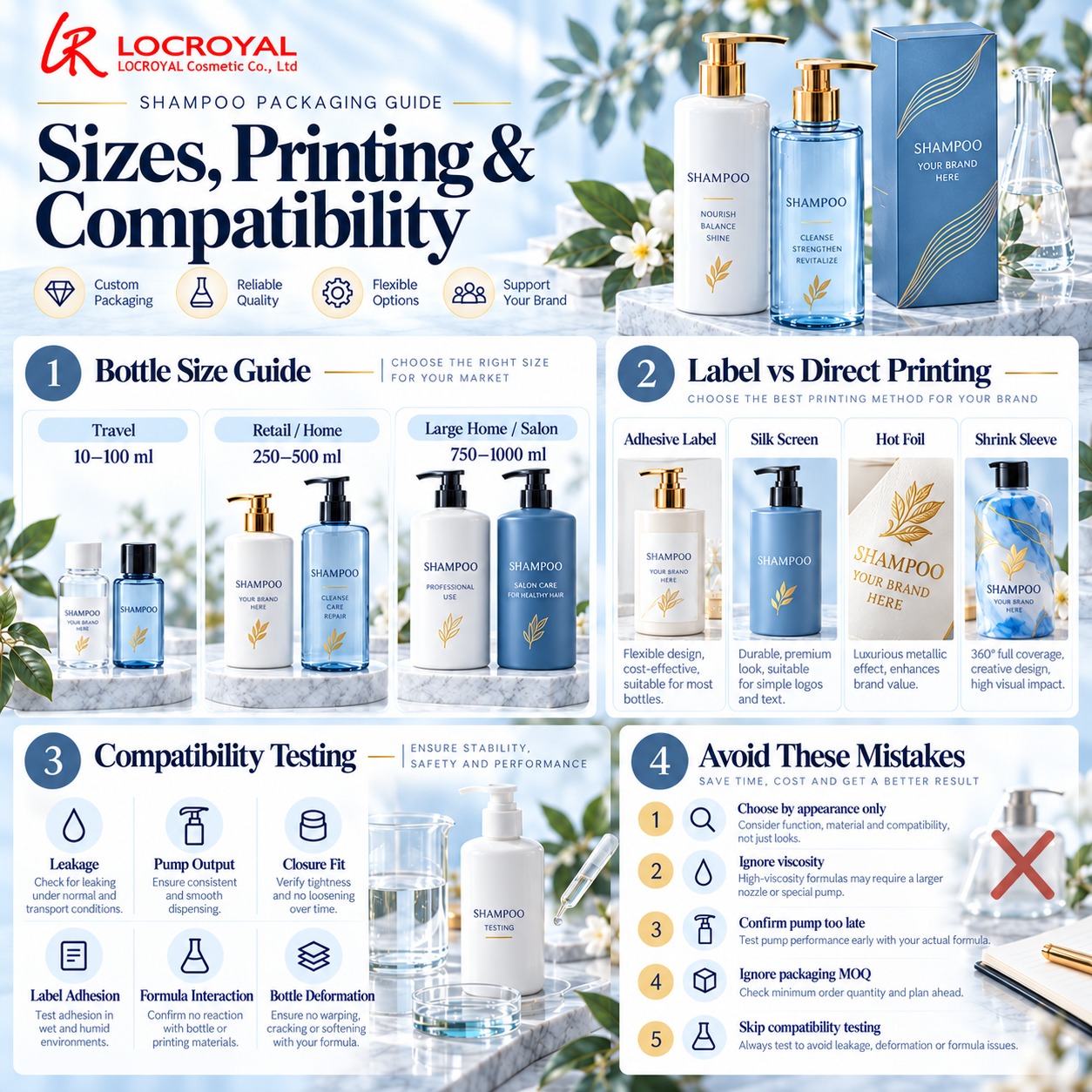
Before choosing packaging, test the actual formula with the bottle, closure, and dispenser. Check leakage, dispensing, and material compatibility.
Should Your Brand Launch One Product or Both?
Launching one SKU can help control initial development and packaging costs. It also allows a brand to collect customer feedback before expanding.
A dual-SKU range may work when each product serves a different purpose. For example, one could be a richer pre-wash oil, while the other is a lightweight finishing serum.
Before launching both, consider your budget, target customers, product differences, and packaging costs. Avoid creating two products that differ only in name. Customers should understand why they need each one.
What to Share With Your Hair Oil Manufacturer
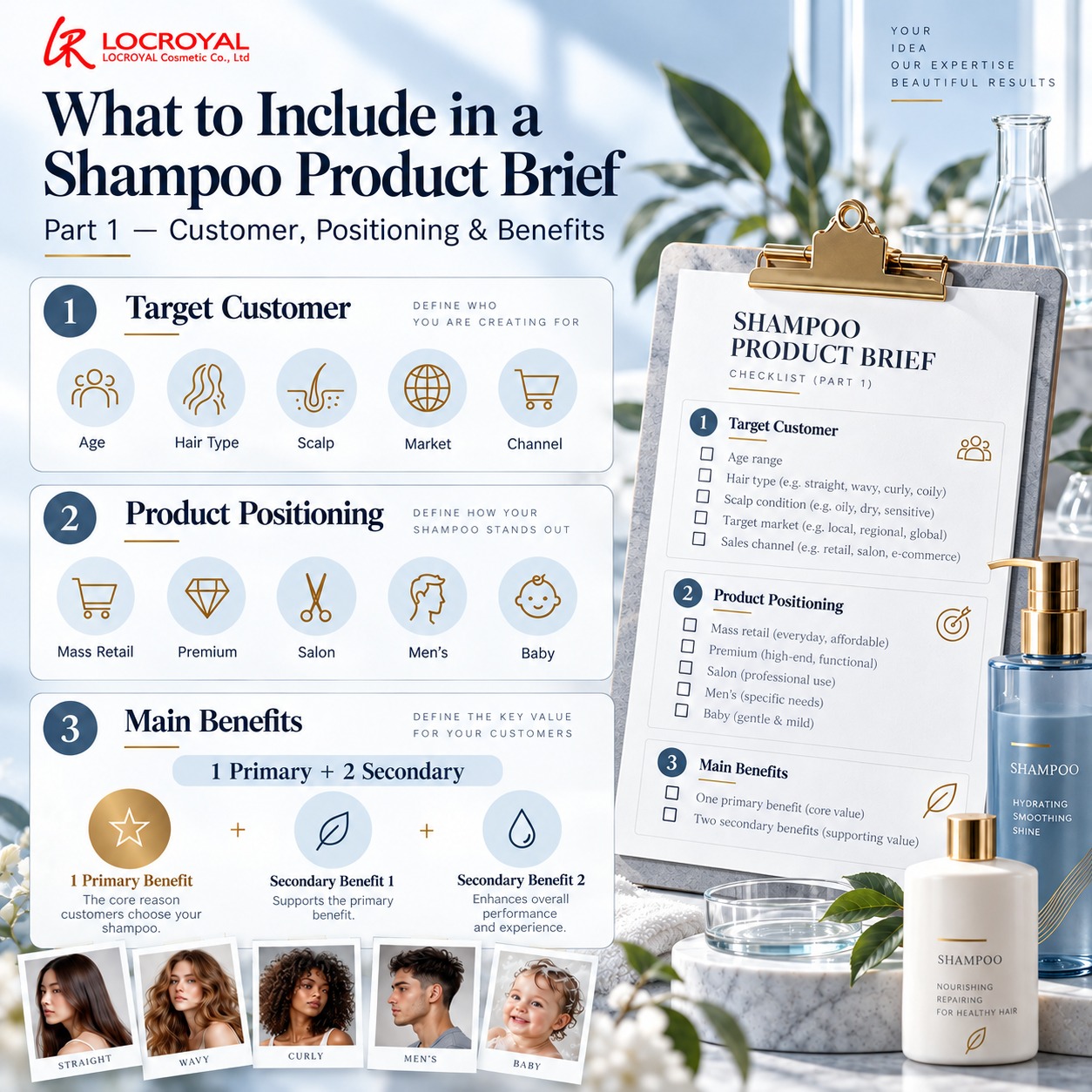
A clear product brief helps the R&D team recommend a suitable formulation and packaging solution.
When contacting a hair oil manufacturer, prepare:
Target market and customer profile.
Hair types you want to serve.
Hair oil or serum concept.
Desired product benefits.
Preferred ingredients.
Desired texture and finish.
Fragrance preferences.
Bottle type and volume.
Target retail price.
Estimated order quantity.
LocRoyal offers private label and OEM/ODM hair care services, including formula and packaging customization. Visit the private label hair oil service page to discuss your product concept.
Common Mistakes When Choosing Hair Oil or Serum
Avoid these common product development mistakes:
Assuming all serums are water-based: Serums can be oil-based, silicone-based, or use other systems.
Choosing only by product name: Define the intended function first.
Ignoring hair type: A rich formula may not suit customers who prefer lightweight products.
Selecting packaging too early: Check formula compatibility before choosing a dispenser.
Launching similar products: Give each SKU a clear purpose.
Frequently Asked Questions
1. Is hair serum the same as hair oil?
No. The difference between hair oil and hair serum depends on their formulation, purpose, and sensory experience.
2. Which is better for fine hair?
A lightweight serum or hair oil may suit fine hair. The result depends on the formula and amount applied.
3. Can a hair serum contain botanical oils?
Yes. A custom hair serum can include argan, jojoba, or other suitable botanical oils.
4. Can I develop both products for my brand?
Yes. LocRoyal offers hair care OEM/ODM services to discuss private label hair oil and custom hair serum projects.
5. What packaging suits hair oil and serum?
Dropper and pump bottles are common options. Selection depends on viscosity, dispensing needs, and compatibility.
6. Does LocRoyal offer private label hair oil?
Yes. LocRoyal provides private label hair oil development and packaging customization.
7. Can I customize the ingredients?
Ingredient selection can be discussed during product development, depending on suitability and formula requirements.
8. Can LocRoyal develop a lightweight serum?
You can discuss your desired texture and finish with LocRoyal’s team to explore suitable formulation options.
9. Can I customize the bottle and fragrance?
LocRoyal’s hair oil service includes customization options. Confirm available choices with the team for your project.
10. What information is needed for a quotation?
Provide your formula concept, ingredients, texture, fragrance, packaging, volume, target market, and estimated order quantity.
Conclusion
Choosing between hair oil and hair serum should not depend on the product name alone. Formula, target customer, intended use, texture, packaging, and market positioning all matter.
A botanical-inspired hair oil may suit a brand focused on conditioning, while a serum may fit a range built around smoothness and styling finishes. Some brands may benefit from offering both, provided each product has a clear purpose.
Foshan BonnieCo Biotechnology Co., Ltd. (BonnieCo Group) brings together three core business divisions:
Guangzhou LocRoyal Cosmetics Co., Ltd.: Hair care OEM and self-owned brands, including PROINSCARE and PURC.
Guangzhou BonnieCo Cosmetics Co., Ltd.: Skin care and color cosmetics OEM, with self-owned brands including SenseInsCare and Jellyprim.
Foshan production base: A 50,000㎡ self-owned production facility.
With 15 years of smart beauty manufacturing experience, the group supports beauty brands through product development and manufacturing services. Visit LocRoyal’s private label hair oil page to explore your options and discuss your next hair care product.