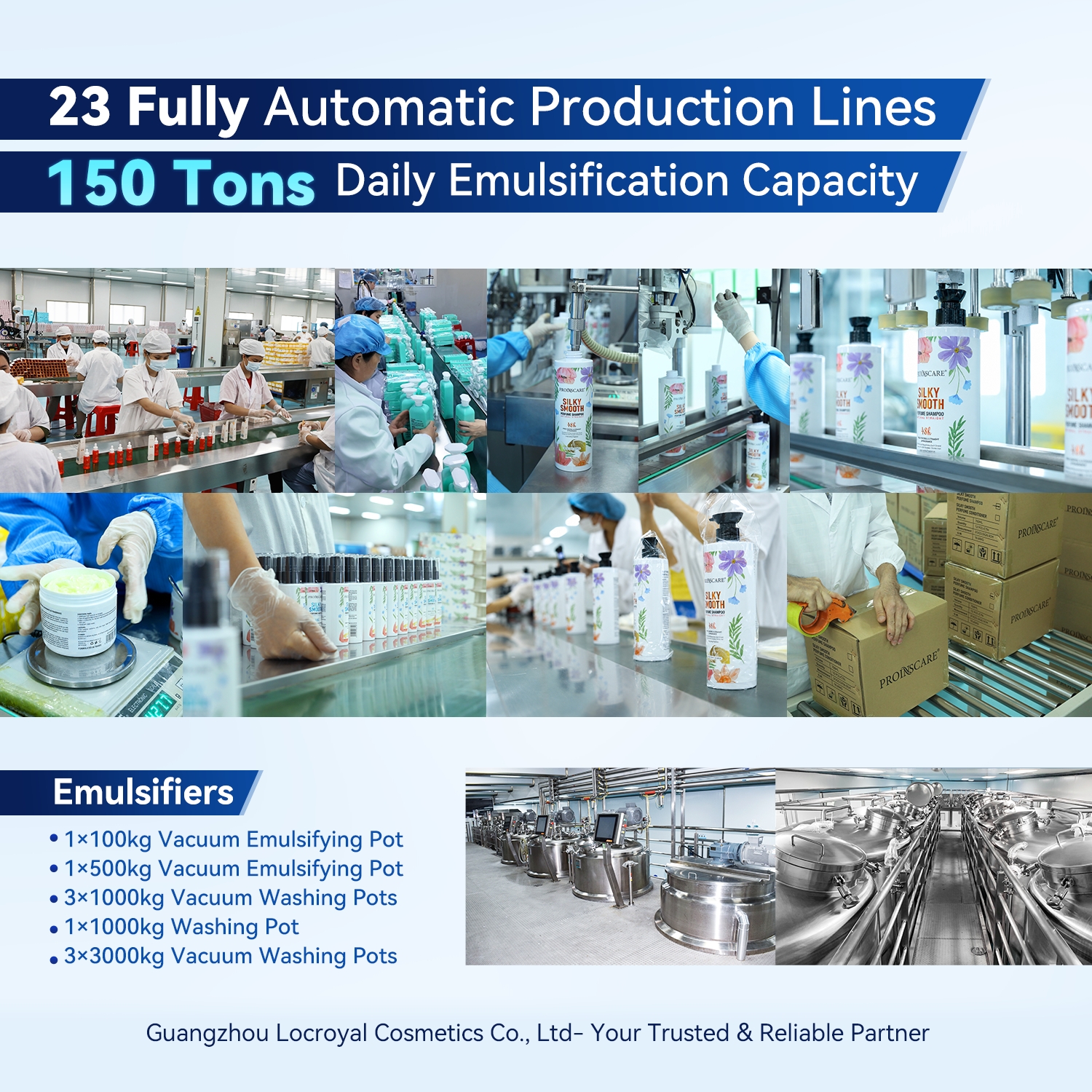
Choosing the right private label hair care manufacturer requires more than comparing prices. Brands should evaluate the manufacturer’s compliance, formulation capabilities, quality control, production capacity, MOQ, sampling process, customization support and track record before placing a bulk order.
This 8-question checklist gives beauty brands, distributors and salon businesses a practical way to compare potential manufacturing partners and identify the supplier best suited to their product strategy and growth plans.
1. Does the Manufacturer Meet the Required Quality and Compliance Standards?
Before anything else, it is important to know whether the hair care OEM you are considering is legally and professionally qualified to produce your products. Can the factory legally manufacture cosmetics? Are their products safe and compliant with international regulations?
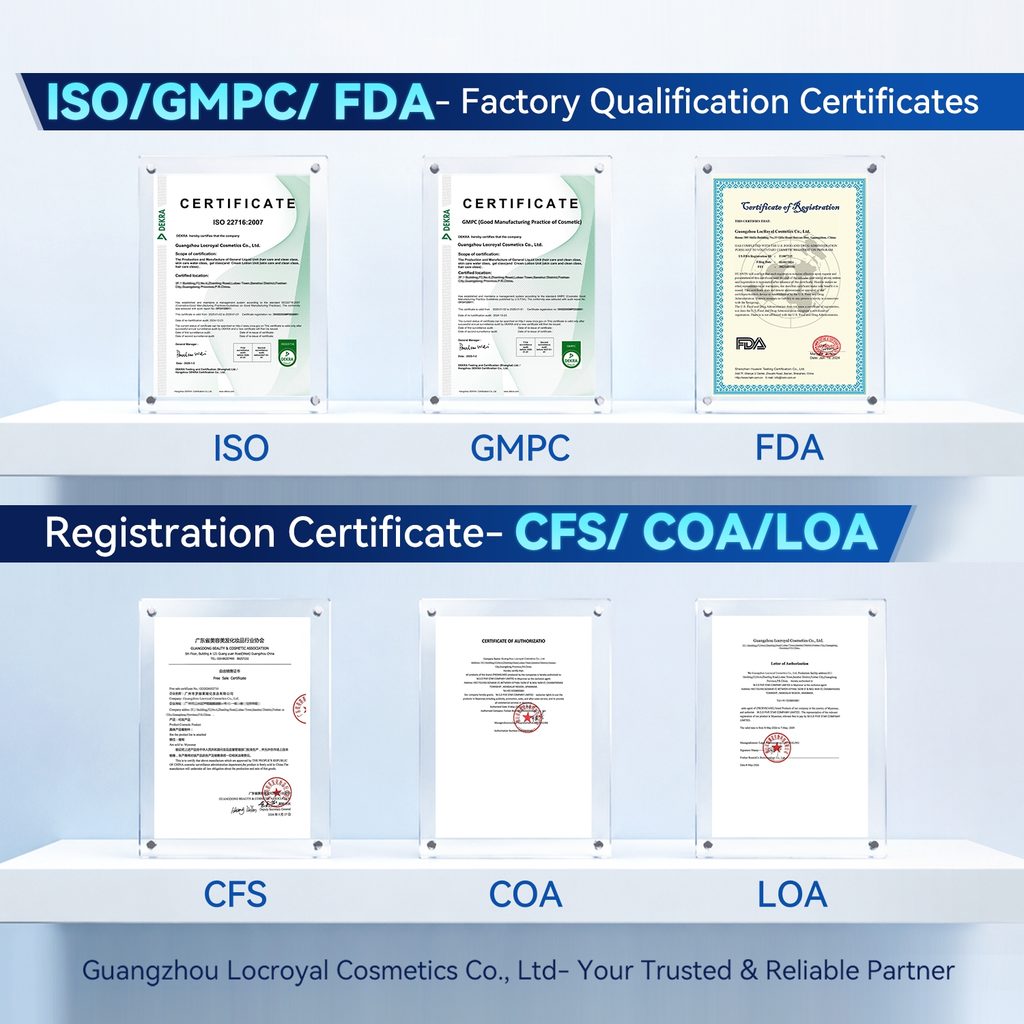
A professional hair care OEM should possess key certifications such as ISO 22716, which covers good manufacturing practices for cosmetics, GMPC for cosmetic production standards, and ISO 9001 for quality management systems. These certifications show that the factory is committed to maintaining consistent quality and following industry standards.
Additionally, the factory should comply with regulations in the target markets. For example, Chinese regulations follow the Cosmetics Supervision and Administration Regulations, while European markets require compliance with EC 1223/2009, and the United States follows FDA guidelines.
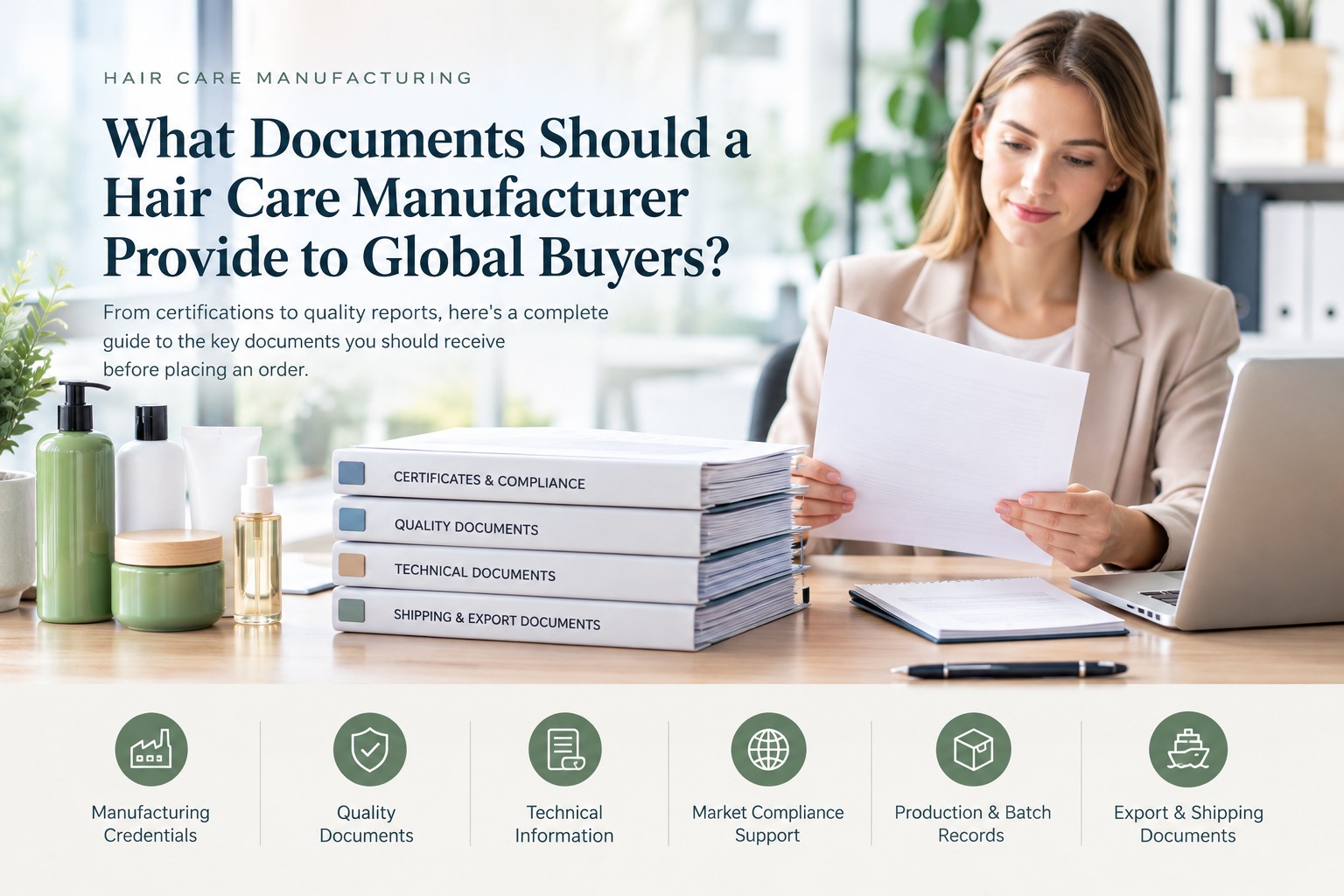
A trustworthy hair care manufacturer should also provide a valid business license and cosmetics production license. These documents prove that the manufacturer is legitimate and legally allowed to produce hair care products. By confirming these qualifications, you can feel confident that your brand is working with a reliable partner rather than taking unnecessary risks.
2. Does the Manufacturer Have Strong In-House R&D and Formulation Capabilities?
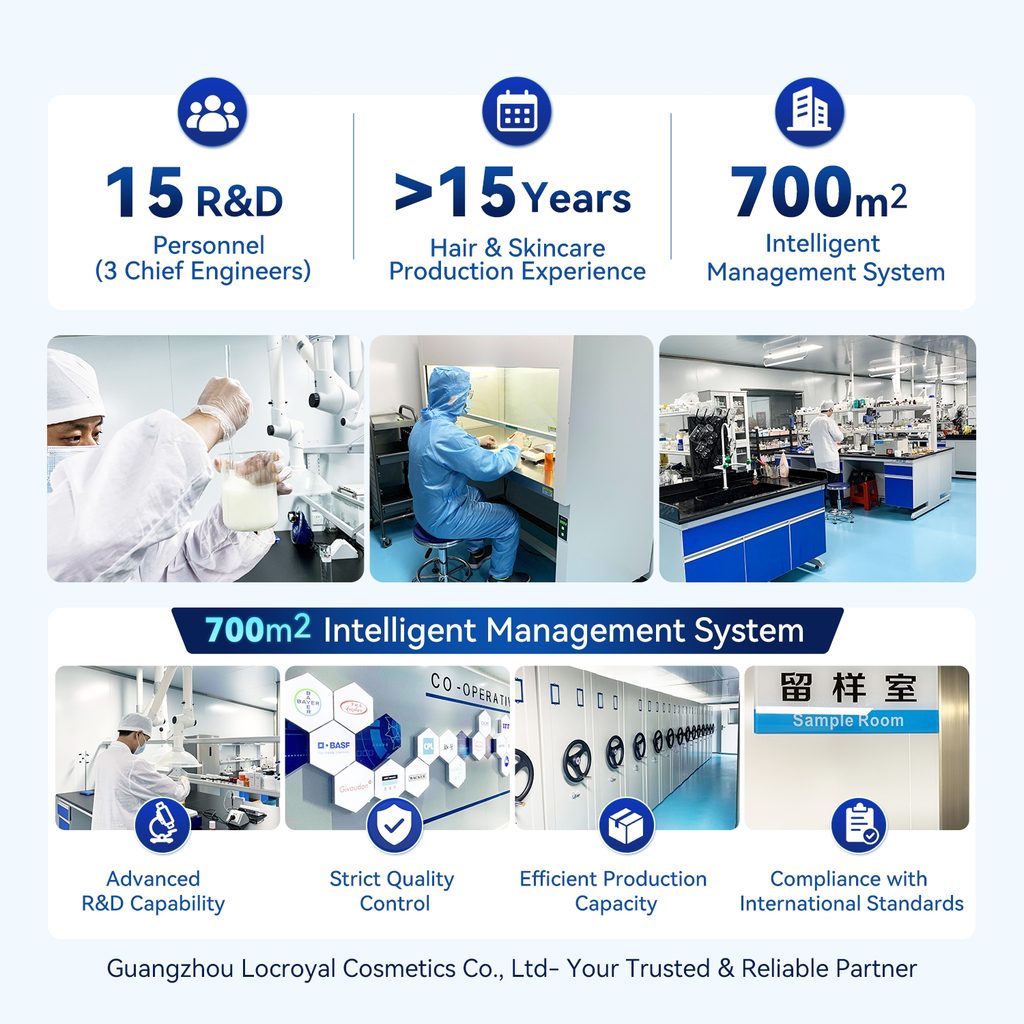
Once the legal and regulatory foundations are covered, the next question is whether the factory can innovate. Does the manufacturer have the technical ability to create new formulas or improve existing ones? Can they keep up with trends like natural ingredients, hair repair treatments, or sulfate-free products?
A strong hair care OEM has an in-house R&D team composed of senior formulators and chemical experts. They work in advanced laboratories equipped for testing the stability, safety, and efficacy of hair products. A rich formula library is also a major advantage, covering everything from anti-hair loss treatments to hair masks, conditioners, and serums for various hair types.
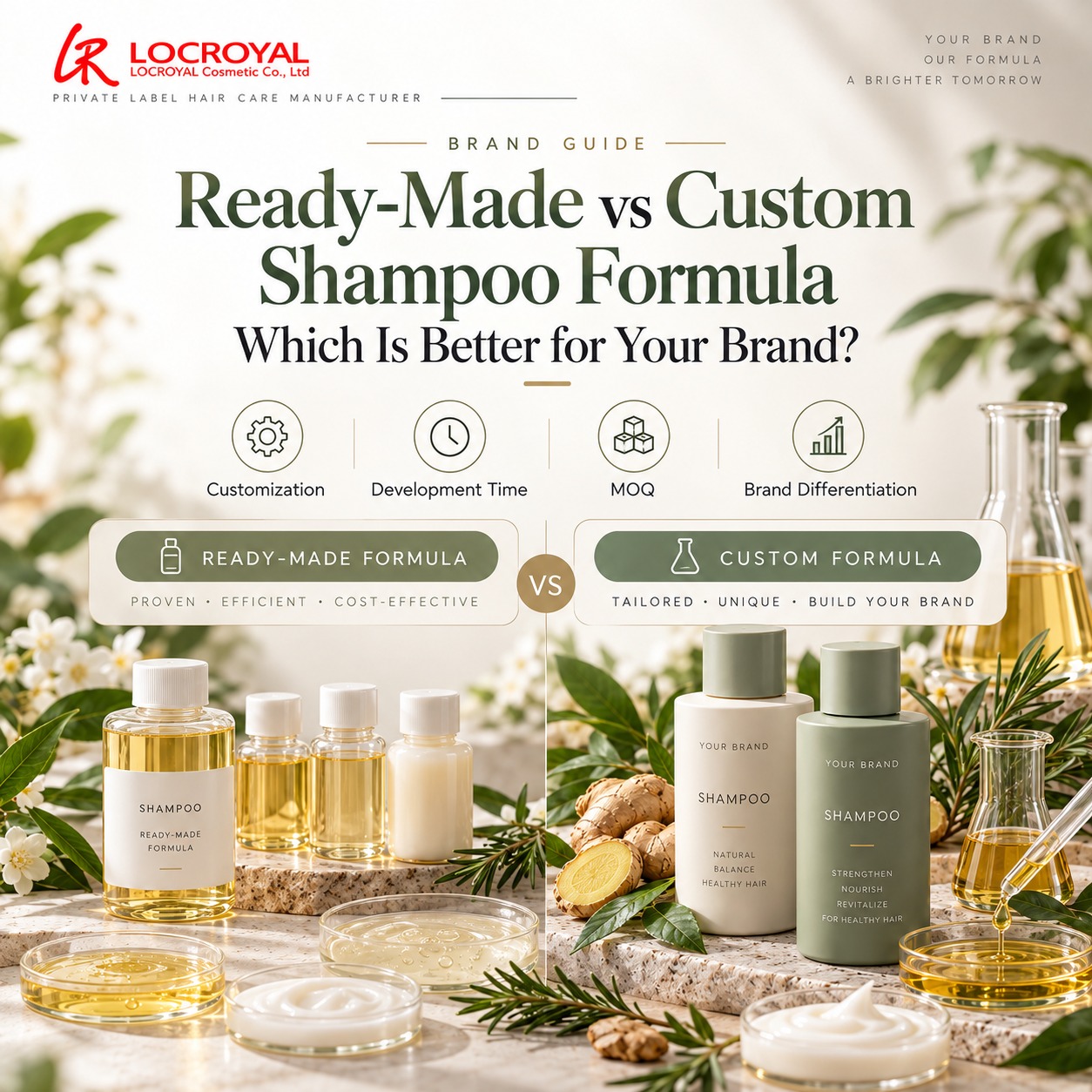
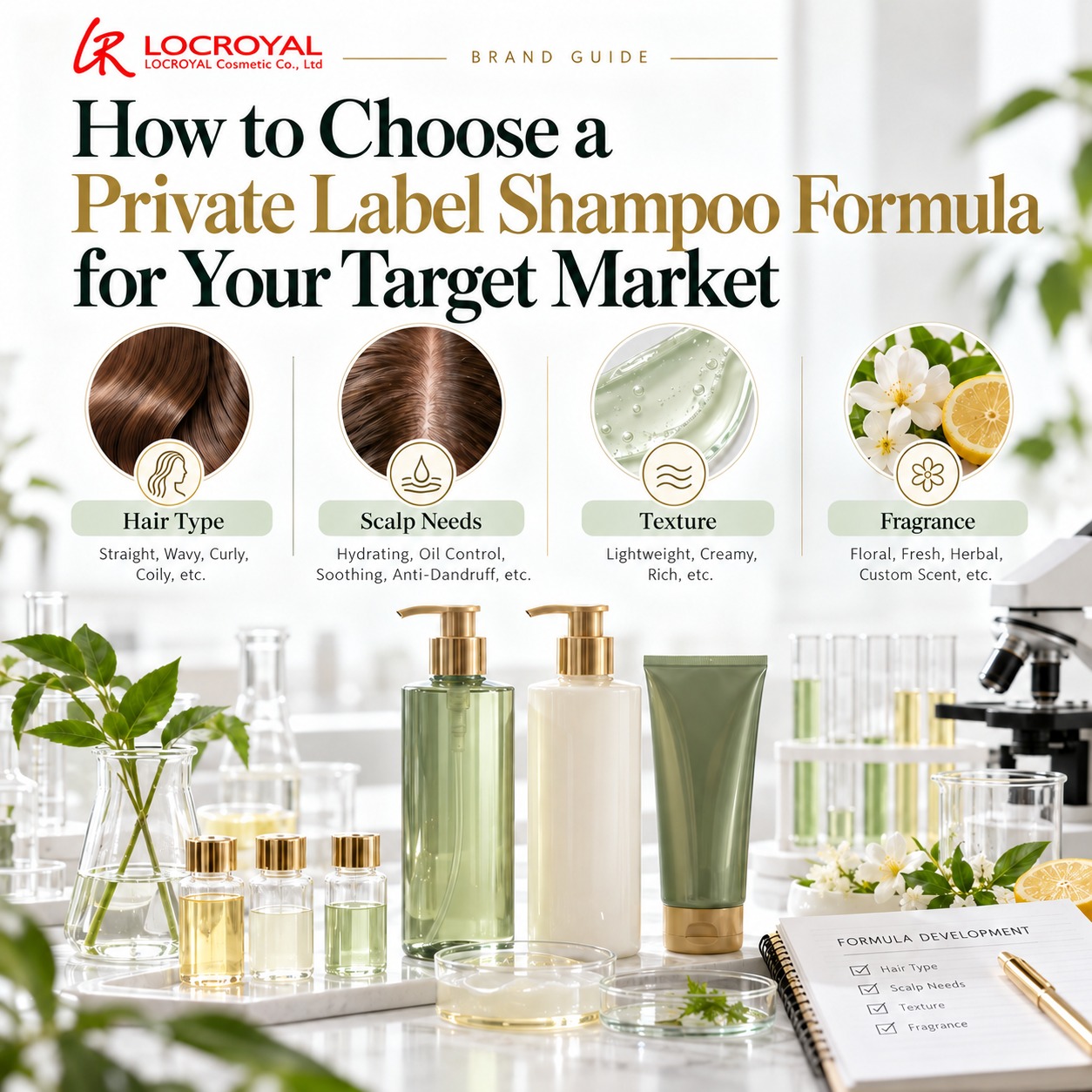
Custom hair products are especially important if you want your brand to stand out. The right manufacturer will support formula customization, adapting recipes to match market demands or even creating unique ingredients that reflect your brand’s identity. For example, microemulsion technology or natural extract formulations can help your products stand apart in a crowded market.
By choosing a factory with strong R&D capabilities, you ensure that your brand will stay relevant, innovative, and competitive.
3. How Does the Manufacturer Control Quality from Raw Materials to Finished Products?
Quality is the lifeline of any hair care brand. A single batch with poor results can damage your reputation and customer trust. So how do you know that a hair care manufacturer can consistently produce high-quality products?
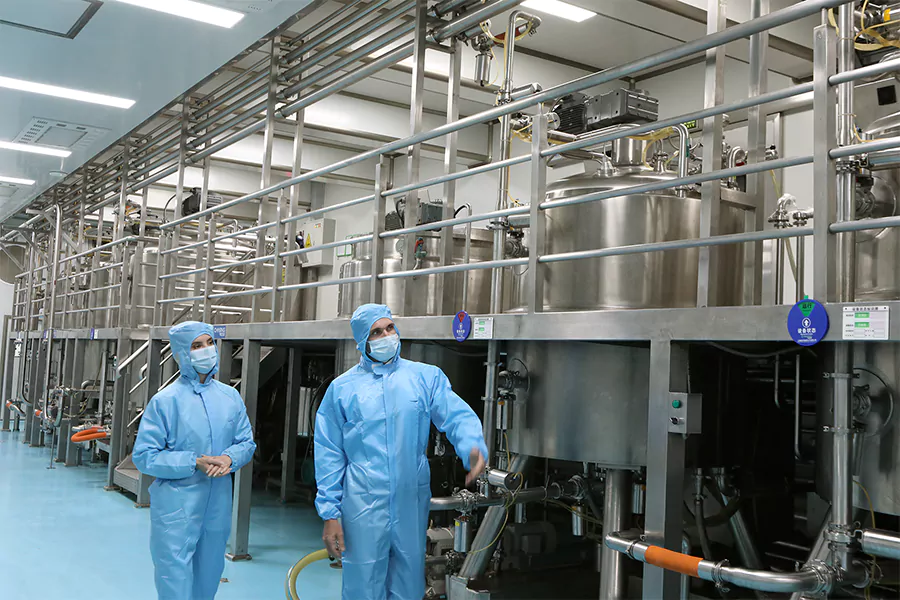
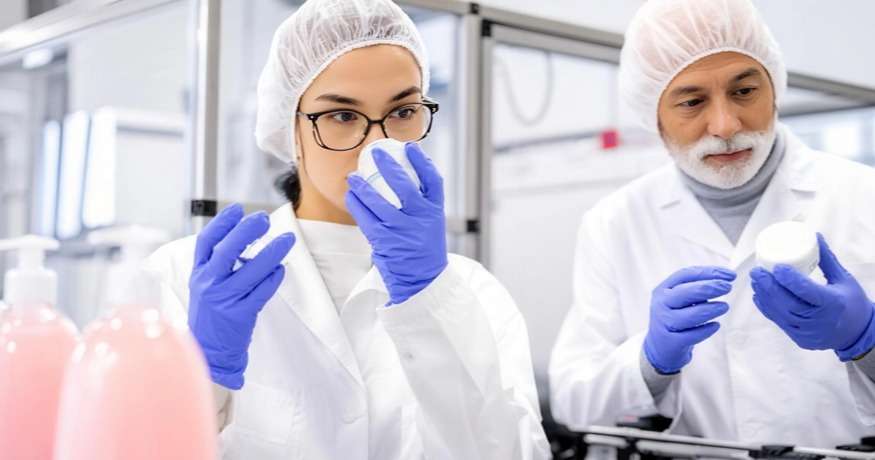
Professional hair care OEMs implement rigorous quality control measures throughout the production process. This starts with careful supplier selection and raw material inspection to ensure that only safe, high-quality ingredients are used. During production, in-process quality control ensures that every step, from mixing to packaging, meets strict standards. Finally, finished product testing is conducted to confirm that the hair products are safe, effective, and consistent with the expected specifications.
Many hair factories operate professional laboratories that test for microorganisms, heavy metals, pH balance, viscosity, and shelf stability. They follow the principle that quality is not something you inspect at the end, but something you produce consistently during every stage of manufacturing.
| Stage | What Brands Should Check |
| Raw Materials | Supplier approval & inspection |
| Production | Batch records & process control |
| Filling | Weight / volume / cleanliness |
| Finished Product | Microbial, pH, viscosity, stability |
| Packaging | Leakage & compatibility |
Asking your potential partner about their quality control processes will give you confidence that every shampoo, conditioner, or serum they produce will meet your brand’s promise.
4. Can the Manufacturer’s Capacity and MOQ Support Your Growth Plan?
Even with the best formulas and quality standards, your brand will struggle if the manufacturer cannot deliver products on time. This is why production capacity and flexibility are critical considerations.
Start by asking about the total size of the factory, the cleanliness level of the production areas, and the number of production lines. You should also check the range of products they can produce, including shampoo, conditioner, hair masks, oils, and hair growth serums.
Minimum order quantities are another important factor, especially for new brands that may want to start with small batches for testing. A good OEM will have flexible policies that allow for trial orders without compromising quality. Additionally, a reliable hair care manufacturer will use production scheduling systems that can handle urgent orders and adjust timelines as needed.
When a manufacturer can consistently meet your demand, it allows your brand to grow smoothly without worrying about delays or shortages.
5. What Is the Sampling and Product Development Process?
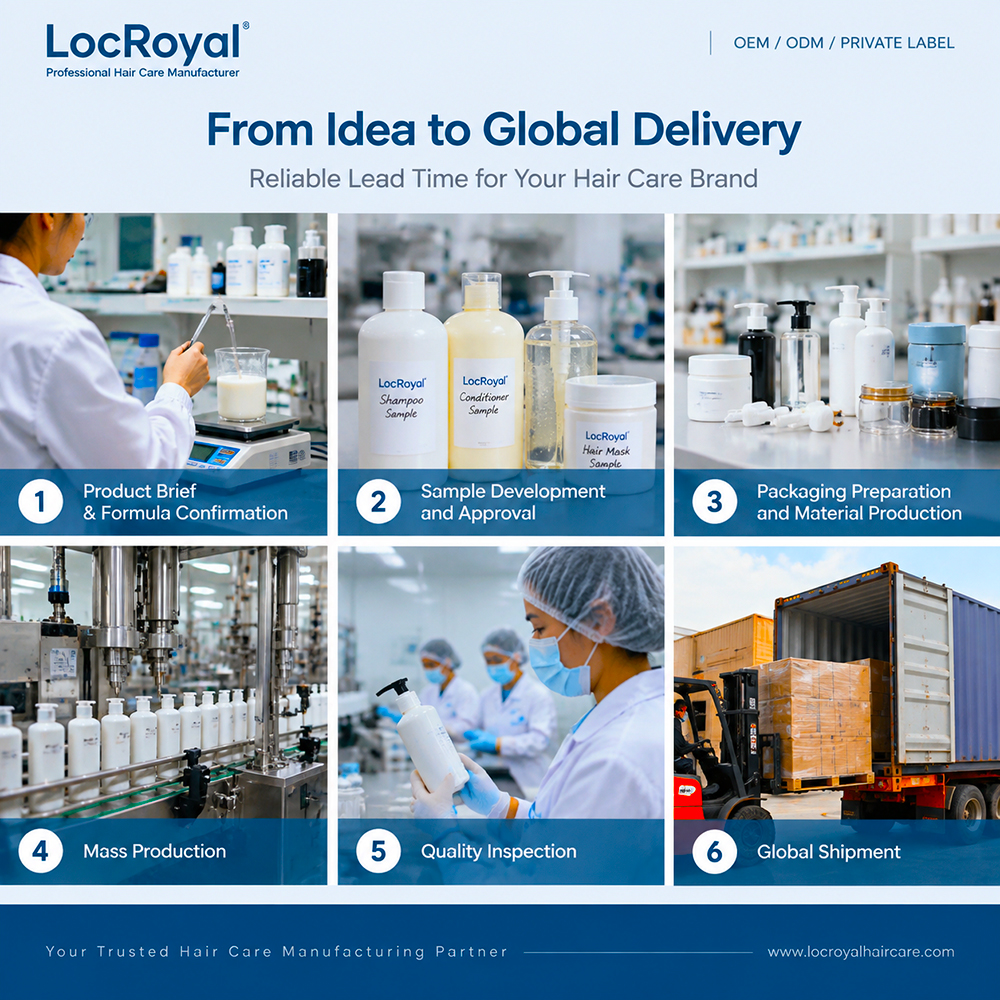
Product Brief →Formula Selection / Development→Sample→Feedback and Revision→Packaging Confirmation→Pre-Production Approval→Mass Production
Before committing to a full production order, you need samples to test formulas and packaging. So it is essential to understand the factory’s sample and prototyping process.
A professional hair care OEM will have a clear step-by-step workflow. This usually involves communicating requirements, providing a formula or quotation, confirming details with the client, creating the prototype, and shipping samples. The timeline should be efficient, often within five to seven working days.
The factory should also allow adjustments during this stage. Multiple revisions are normal and necessary to ensure that the product meets your expectations. This level of flexibility demonstrates the manufacturer’s commitment to your brand’s success and ensures that the final product will be exactly what you envisioned.
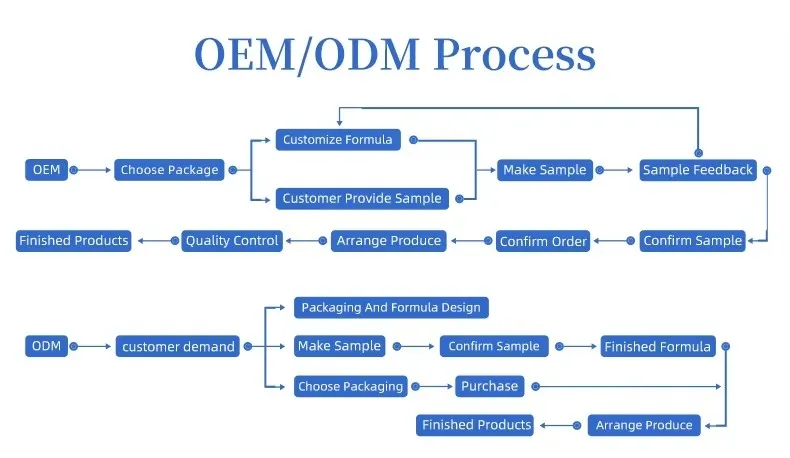
6. What Private Label, OEM and ODM Services Are Included?
Some hair care brands only need production services, but others are looking for a partner who can provide end-to-end support. This is where OEM and ODM services become critical.
OEM services focus on strictly following your existing formulas to produce high-quality hair products. ODM services go further, offering assistance with market analysis, concept development, formula creation, and even packaging suggestions. Some manufacturers also provide extra services like help with registration documents, labeling, and copywriting support.
| Model | Best For | Manufacturer Support |
| Private Label | Faster launch | Existing / adaptable formulas |
| OEM | Brand has product requirements | Production to specification |
| ODM | Brand needs product development | Formula + product development |
By choosing a factory that offers comprehensive support, you reduce your own management burden and ensure that every aspect of product development, from concept to delivery, runs smoothly.
7. Are Pricing, MOQ and Payment Terms Transparent?
Price and payment terms are always a concern, especially for startups or small brands. However, the goal is not to find the cheapest manufacturer, but one that offers value.
A transparent hair care manufacturer will explain how costs are broken down, including raw materials, packaging, labor, and management fees. This clarity helps you understand what you are paying for and why it is worth the investment.
High-quality hair care OEMs focus on value pricing rather than competing on the lowest price. Payment terms are usually structured as a deposit plus the final payment, with additional discounts or favorable terms for long-term or large clients. Discussing pricing openly ensures that there are no surprises and helps build a foundation of trust between you and your manufacturer.
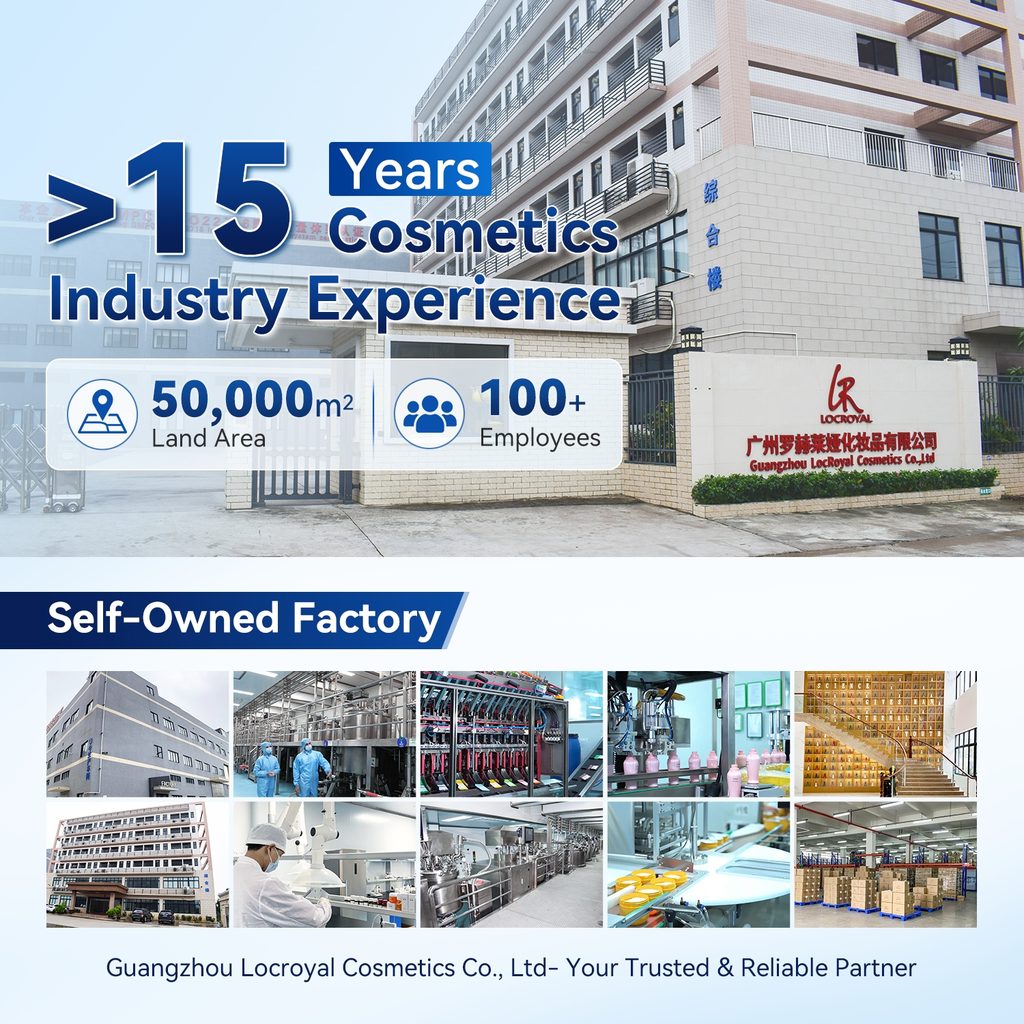
8. Can the Manufacturer Provide Verifiable Experience and Cooperation Evidence?
Finally, the best way to judge a manufacturer’s reliability is to look at its track record. Ask for examples of past collaborations and successful product launches.
Reputable hair care OEMs often share anonymized case studies showing how they helped clients overcome challenges, such as developing a best-selling product quickly or solving technical difficulties in formulations. This evidence demonstrates that the factory has the experience, expertise, and professionalism to be a long-term partner.
When a manufacturer can showcase multiple success stories, it gives you confidence that they can help your brand succeed as well.
Private Label Hair Care Manufacturer Checklist
| What to Check | Good Sign |
| Compliance | Clear, verifiable documentation |
| R&D | In-house formulation team |
| QC | Defined testing procedures |
| MOQ | Clear and scalable |
| Samples | Structured revision process |
| OEM/ODM | Clear service scope |
| Pricing | Transparent quotation |
| Track Record | Real factory & cooperation evidence |
Conclusion
Choosing a private label hair care manufacturer should be based on verifiable production capabilities, quality systems, formulation support, clear pricing and the ability to scale with your brand. Use the eight questions above as a checklist when comparing potential partners.
Looking for an experienced hair care manufacturing partner? Explore LocRoyal’s private label hair care manufacturing capabilities.
Frequently Asked Questions
Q: What should I look for in a private label hair care manufacturer?
A: Look for a manufacturer with clear quality systems, in-house formulation support, stable production capacity, transparent MOQ and pricing, a structured sampling process, and proven OEM/ODM experience. It is also important to review real factory photos, production equipment, testing capabilities, and past cooperation experience before placing a bulk order.
Q: What certifications or documents should a hair care manufacturer provide?
A: A reliable manufacturer should be able to provide relevant business and manufacturing documents, quality-management certifications such as ISO or GMPC where applicable, product specifications, ingredient information, test reports, and other documents required for your target market. The exact documentation depends on the product category and destination country.
Q: What is a typical MOQ for private label hair care products?
A: MOQ varies depending on the formula, packaging, bottle type, printing method, customization level, and raw-material requirements. Stock or adaptable formulas usually allow lower MOQs, while fully customized formulas or packaging may require higher quantities. Brands should confirm MOQ separately for formula, packaging, labels, and final production before approving the project.
Q: What is the difference between private label, OEM and ODM hair care?
A: Private label usually uses an existing or slightly modified formula with customized branding and packaging, making it suitable for faster launches. OEM manufacturing follows the buyer’s specifications or formula requirements, while ODM provides broader product-development support, including formulation, testing, packaging, and product design. The best option depends on how much development support your brand needs.
Q: Should I request samples before mass production?
A: Yes. Samples allow you to evaluate the formula, fragrance, texture, color, packaging compatibility, and overall product experience before committing to a bulk order. A professional manufacturer should also provide a clear sample-feedback and revision process so that the final approved version can be used as the production reference.
How can I verify whether a manufacturer owns its factory?
A: Ask for business and manufacturing documents, factory photos and videos, production-line details, equipment information, and a live video tour or on-site visit where possible. You can also check whether the company can clearly explain its production process, quality-control procedures, capacity, and factory address. A genuine manufacturer should be able to provide consistent and verifiable evidence of its manufacturing operations.