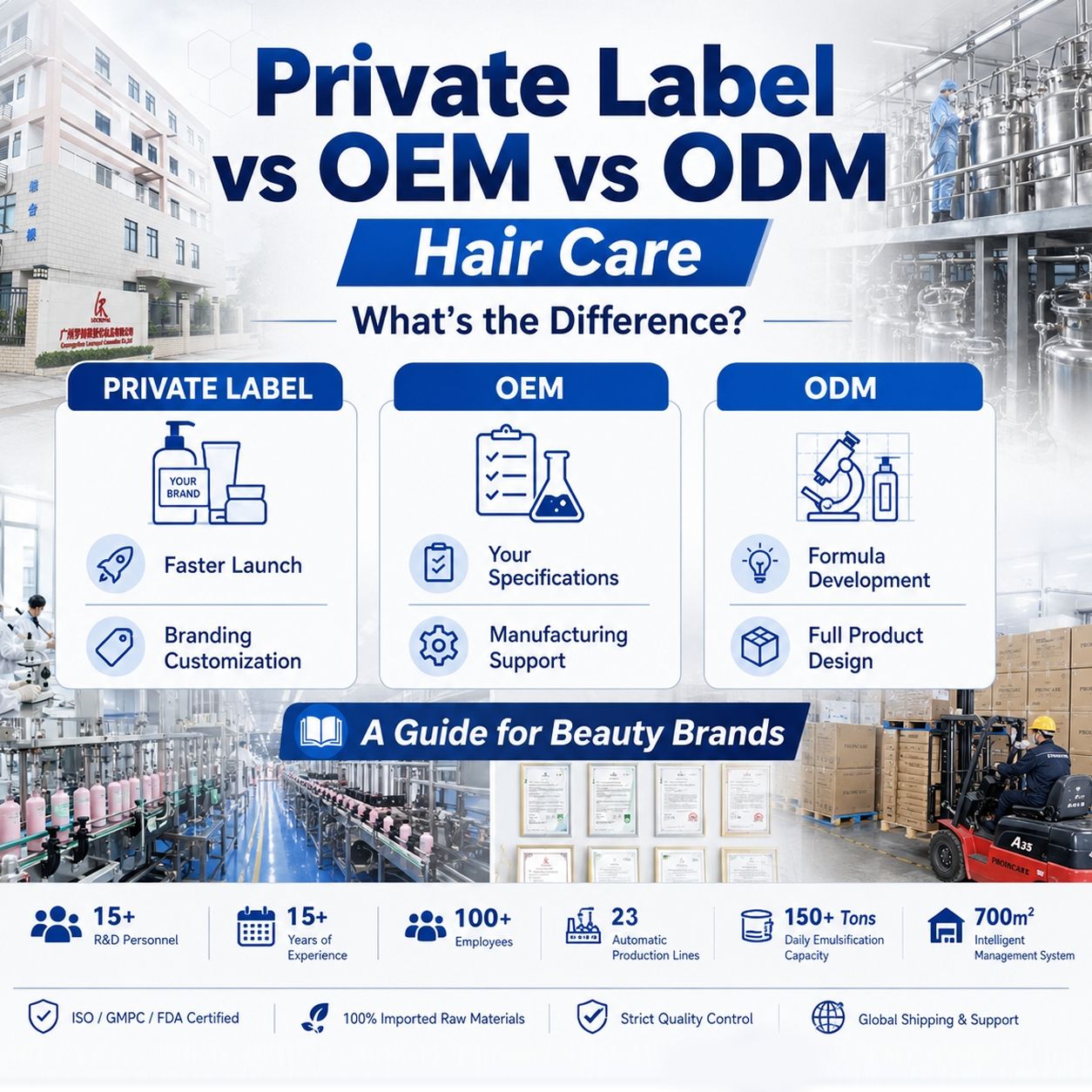
When launching a hair care brand, one of the first decisions is choosing the right manufacturing model. The three most common options are private label hair care, OEM hair care manufacturing, and ODM hair care manufacturing.
Although these terms are often used together, they involve different levels of product development, customization, and manufacturer support. Understanding private label vs OEM vs ODM hair care can help brands choose a model that fits their budget, product goals, and launch schedule.
In simple terms, private label usually starts with an existing product, OEM focuses on manufacturing according to the buyer’s requirements, and ODM involves greater manufacturer support in developing the product.
So, which model is right for your brand?
What is Private Label Hair Care?
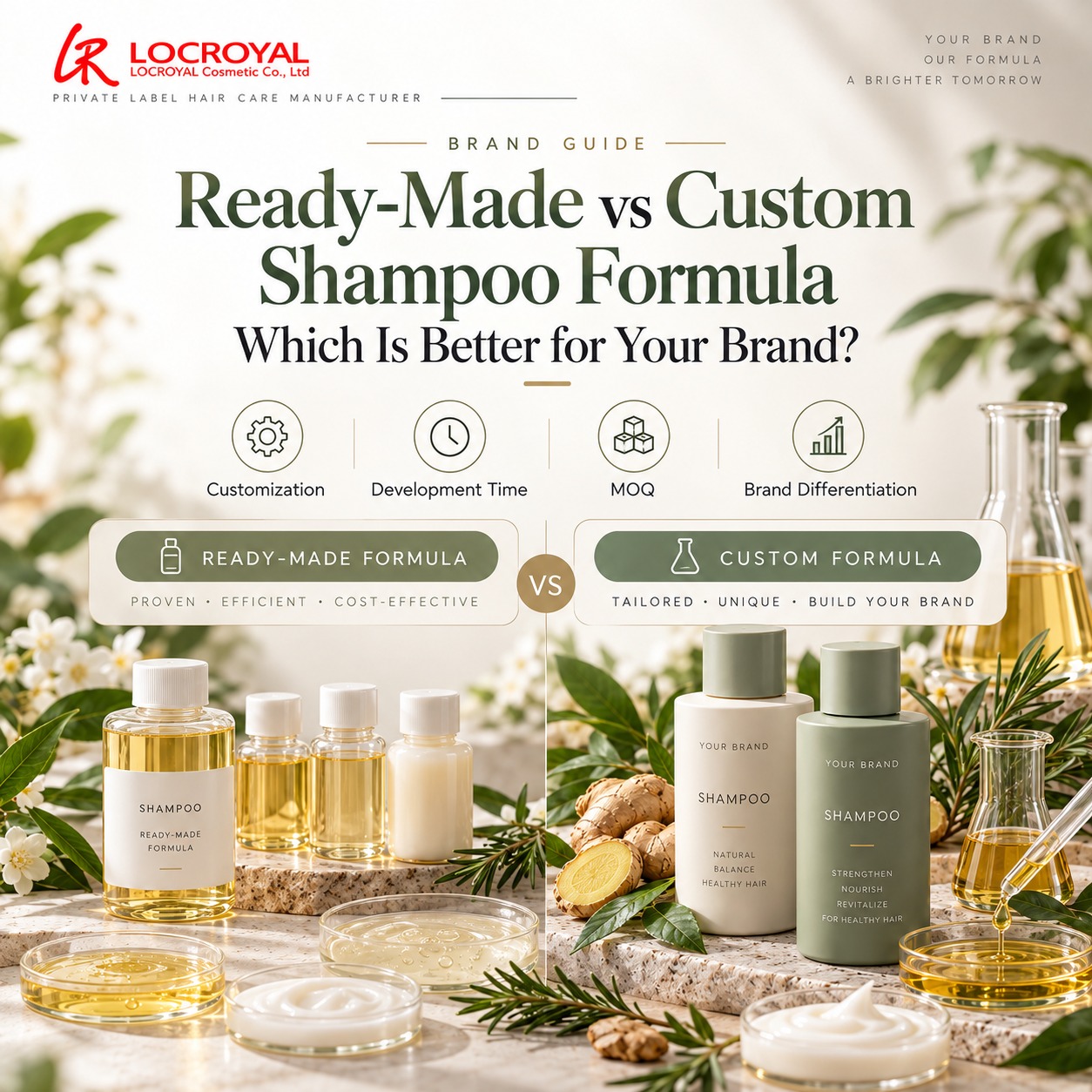
Private label hair care usually involves selling an existing or adaptable product under your own brand name. The manufacturer has already developed the product, and the brand can customize elements such as labels, packaging, and, depending on the supplier, selected product features.
The main benefit of the private label manufacturing model is speed. Brands do not necessarily need to start the formula development process from zero. This can make private label a practical option for businesses that want to launch shampoo, conditioner, hair masks, oils, or styling products more efficiently.
Private label may also reduce the amount of technical work required from the brand. Instead of developing every product specification, the company can focus on branding, packaging, marketing, and sales.
However, the level of formula customization may be lower than with OEM hair care manufacturing or ODM hair care manufacturing. The exact options depend on the manufacturer and the specific project.
At LocRoyal, brands can discuss private label and customized hair care manufacturing services based on their product requirements. The company describes its services as covering formulation, production, packaging, and related manufacturing support.

But what if an existing product does not match your brand concept? That is where OEM becomes important.
What is OEM Hair Care Manufacturing?
OEM hair care manufacturing generally focuses on producing products based on the buyer’s specifications and requirements.
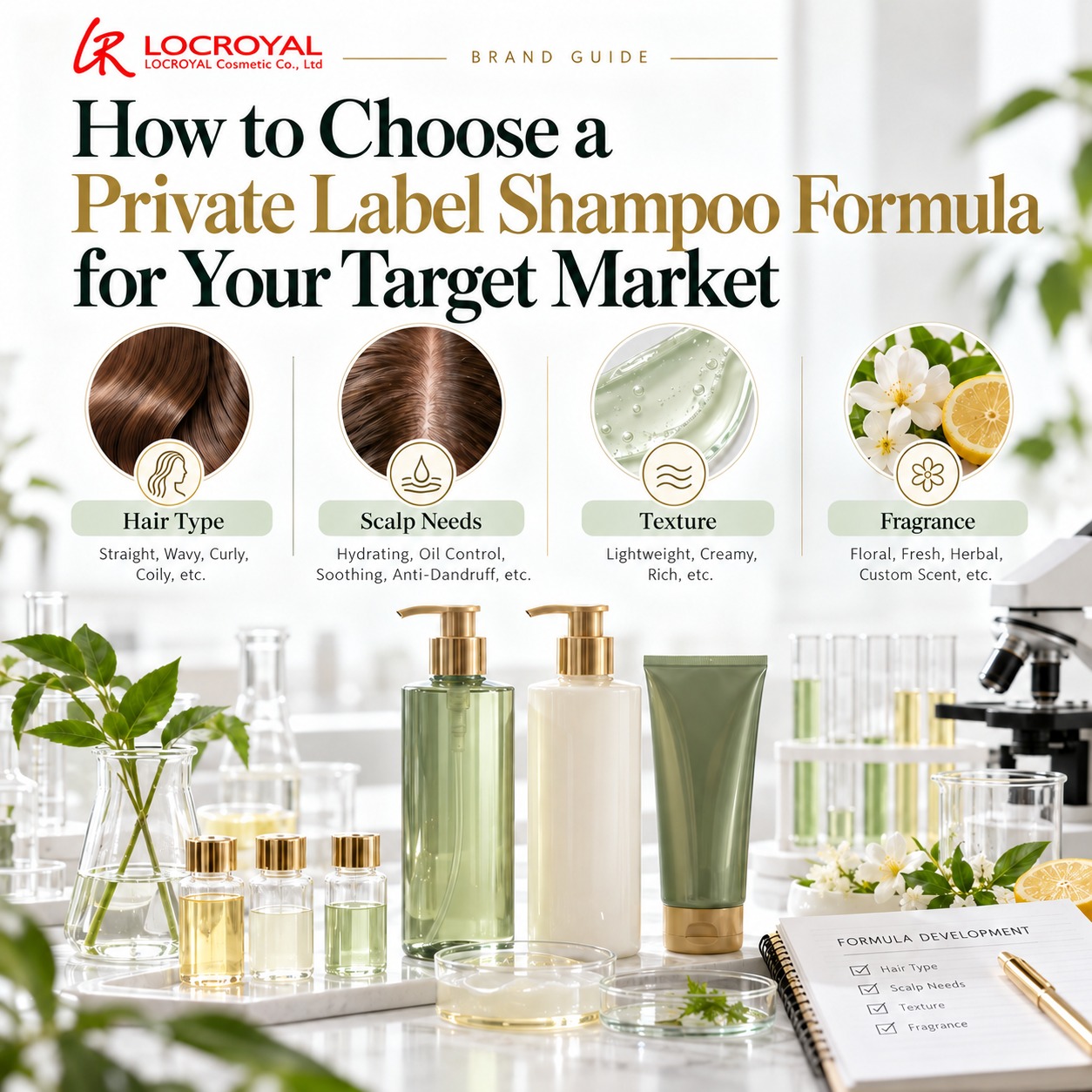
The brand may have a clear idea of the product it wants to create, including formula requirements, ingredients, texture, fragrance, packaging, or product positioning. The manufacturer then provides the technical and production capabilities needed to develop and manufacture the finished product.
For example, a brand may want a moisturizing shampoo designed around specific ingredient preferences and a particular texture. Through OEM hair care manufacturing, the brand can work with the manufacturer to develop the product according to the agreed specifications.
Compared with private label hair care, OEM usually provides greater control over product customization. However, it can also require more development work. Sampling, formula adjustments, packaging confirmation, and production preparation may all be part of the process.
When comparing OEM vs ODM hair care, the key point is that OEM projects generally begin with a clearer set of buyer requirements.
For brands with a detailed product concept, OEM can offer a strong balance between customization and manufacturing support.
But what happens when a brand has a market idea without a complete technical product specification?
What is ODM Hair Care Manufacturing?
ODM hair care manufacturing gives the manufacturer a larger role in product development.
The brand may begin with a product idea, target customer, or market opportunity, while the manufacturer helps develop the formula and product solution. This can be useful for companies that want a differentiated product but do not have an internal research and development team.
For example, a brand may want to develop a scalp care range but may not know which formula structure or product format will best support its concept. An ODM hair care manufacturing partner can provide development support and help move the idea toward production.
In the comparison of OEM vs ODM hair care, ODM generally involves more manufacturer-led research and development support. The brand still provides direction, but the manufacturer may play a larger role in transforming that direction into a finished product.
ODM can offer high customization, but brands should always discuss important details such as formula development, exclusivity, intellectual property, testing, and ownership before starting production.
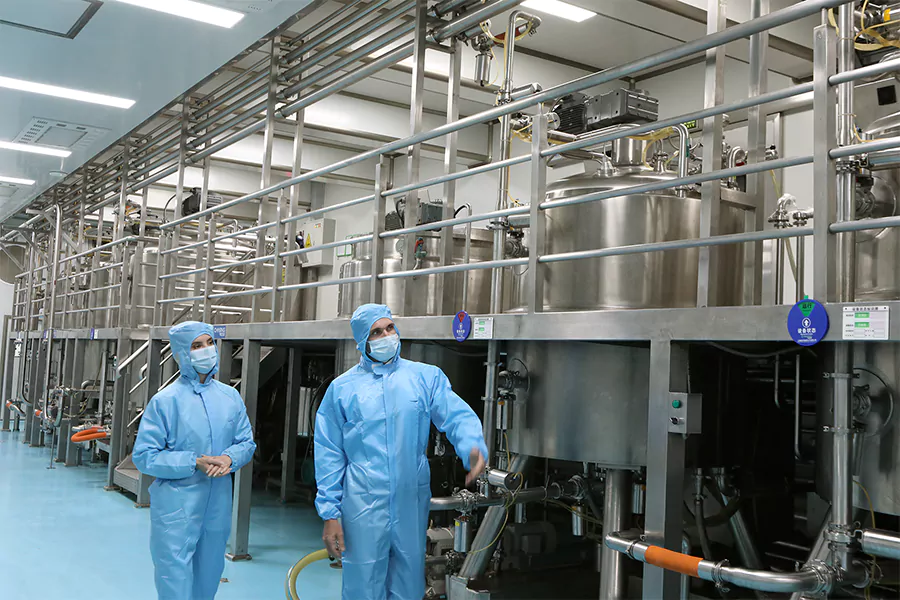
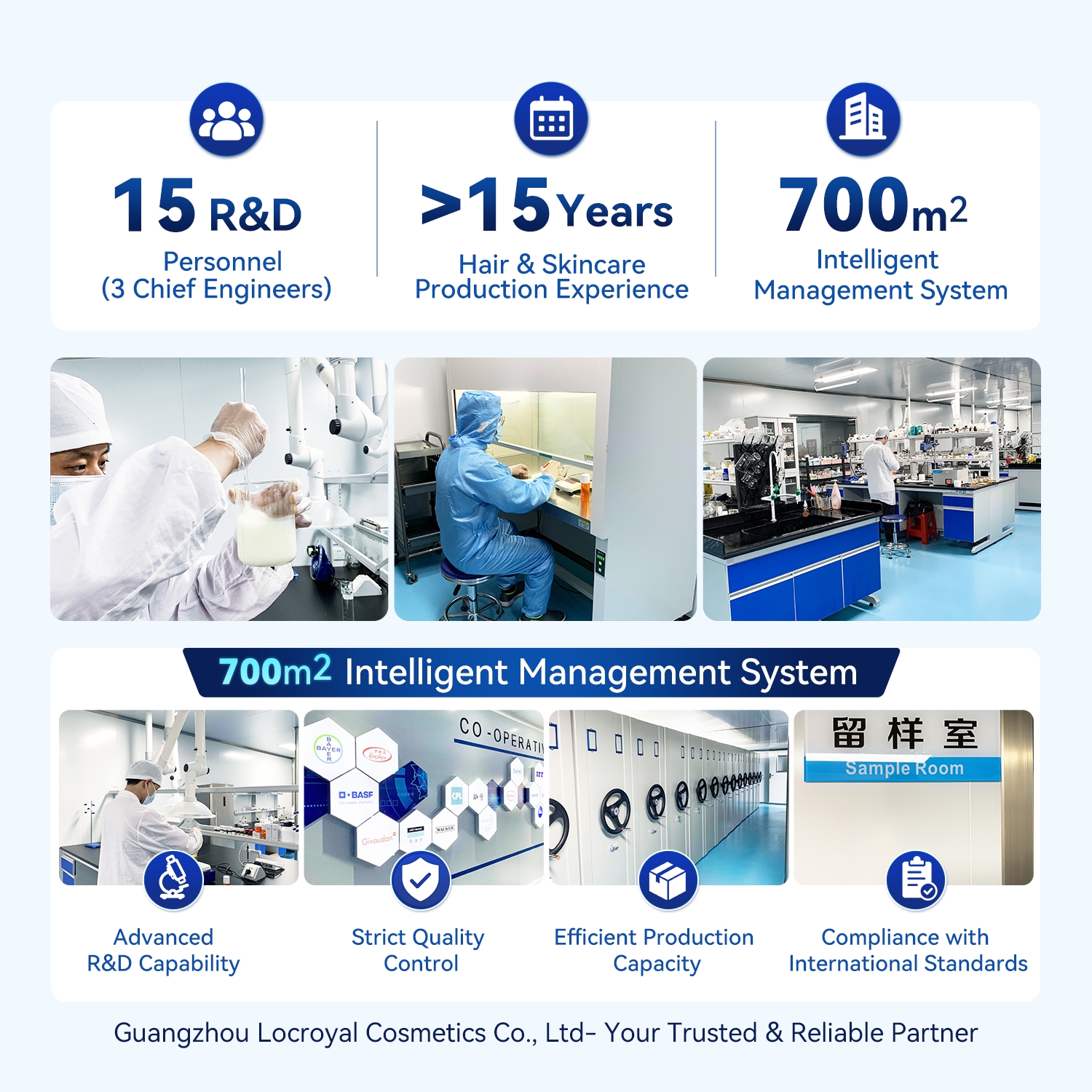
According to LocRoyal’s published company information, the BonnieCo Group manufacturing ecosystem includes R&D and production capabilities and a 50,000㎡ self-owned production base in Foshan.
Private Label vs OEM vs ODM: Comparison Table
The following table provides a general comparison of private label vs OEM vs ODM hair care. Actual projects can vary depending on product complexity and manufacturer capabilities.
| Item | Private Label | OEM | ODM |
|---|---|---|---|
| Formula | Existing or adaptable | Buyer specification | Manufacturer develops |
| Development Time | Short | Medium | Longer |
| Customization | Medium | High | High |
| R&D Support | Lower | Medium | High |
| Launch Speed | Fast | Medium | Medium |
The main difference is where the development process begins.
Private label hair care begins with an existing or adaptable product. OEM hair care manufacturing begins with the buyer’s specifications. ODM hair care manufacturing involves stronger manufacturer-led product development.
Understanding this difference makes it easier to choose the right model for your current stage of business.
Which Model is Best for Startups?
For many startups, private label hair care can be a practical starting point because it may offer a faster route to market.
New brands often need to focus on building awareness, developing their identity, and testing customer demand. The private label manufacturing model can allow them to begin with an existing product platform instead of investing immediately in extensive formula development.
However, private label is not the only choice.
A startup with a unique product idea but limited technical resources may benefit from ODM hair care manufacturing. The manufacturer can provide more support during product development.
A startup with detailed specifications may instead choose OEM hair care manufacturing.
The best choice depends on how developed the product idea is, how much customization is required, and how quickly the brand wants to launch.
Which Model is Best for Established Brands?
Established brands often have clearer product requirements and stronger reasons to differentiate their formulas and packaging.
For these businesses, OEM hair care manufacturing can be useful when the brand already has detailed product specifications. It allows the project to be built around specific formula and performance requirements.
ODM hair care manufacturing can also benefit established brands, especially when they want to enter a new category or explore a new product concept with manufacturer-led development support.
When considering OEM vs ODM hair care, established brands should consider how much technical direction they can provide internally. Brands with a strong product brief may prefer OEM, while those seeking greater R&D support may prefer ODM.
The right hair care contract manufacturing partner should be able to explain what level of customization and development support is available for each project.
How Formula and Packaging Customization Differ
Formula customization is one of the biggest differences in private label vs OEM vs ODM hair care.
With private label hair care, the starting point is generally an existing product. Customization may focus more heavily on branding and packaging, although some manufacturers may offer formula adaptations.
With OEM hair care manufacturing, the product can be developed according to agreed buyer specifications. These may include ingredients, texture, fragrance, performance goals, and other requirements.
With ODM hair care manufacturing, the manufacturer can provide greater support in creating the product based on the brand’s concept and market goals.
Packaging customization can also range from simple labels to customized bottles, pumps, cartons, and complete product presentation. Custom packaging may require additional development time, so brands should discuss this early in the project.
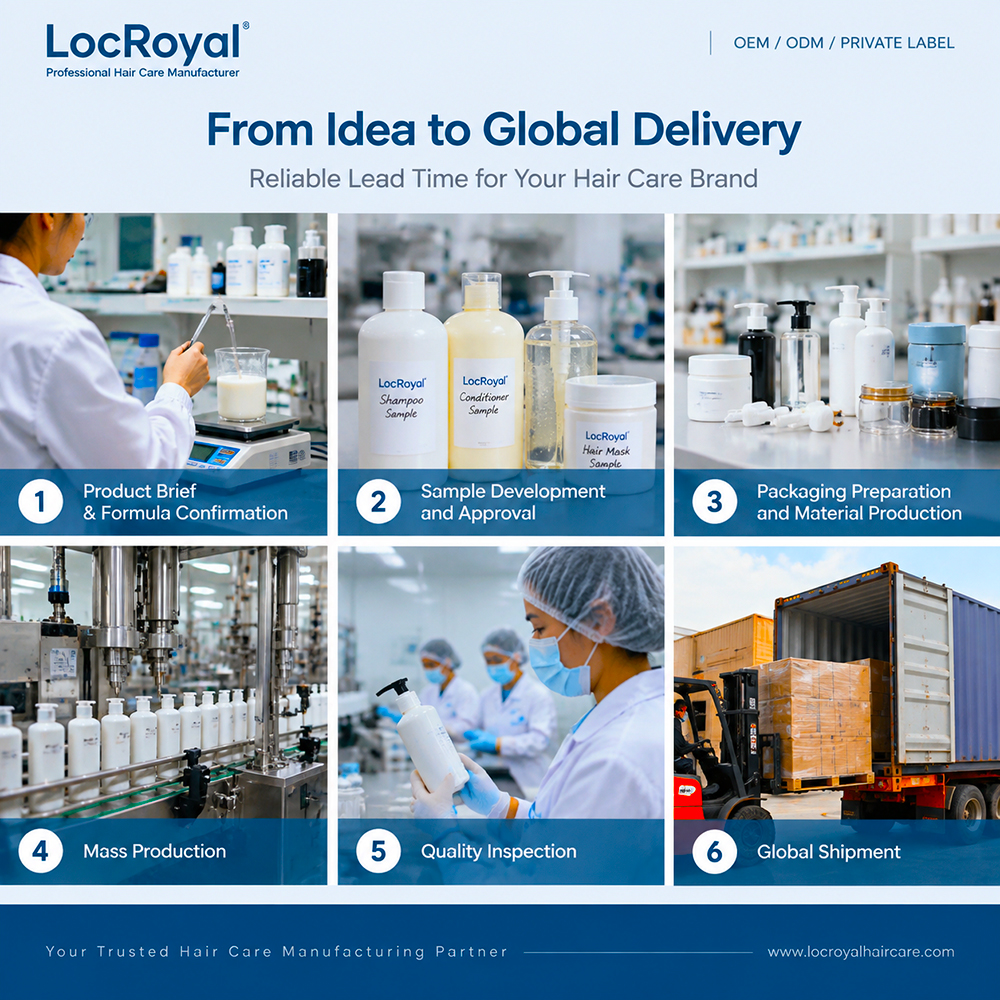
How MOQ and Lead Time Differ
MOQ and lead time can vary across private label hair care, OEM, and ODM projects.
A private label manufacturing model may have a shorter development process because the product can begin with an existing formula. This may support a faster launch once branding and packaging are finalized.
OEM hair care manufacturing can require additional time for sampling, formula confirmation, packaging selection, and production preparation.
ODM hair care manufacturing may also involve a longer development stage because the manufacturer may need to provide research and development support before the formula is finalized.
I cannot confirm a universal MOQ or lead time because these figures depend on the manufacturer, product type, formula complexity, packaging, testing requirements, order quantity, and production schedule.
For this reason, brands should request a project-specific quotation and production timeline from their hair care contract manufacturing partner.
How to Choose the Right Manufacturing Model
Choosing between private label vs OEM vs ODM hair care starts with understanding what your brand already has and what it still needs.
First, consider your product idea. If you are happy to begin with an existing or adaptable formula, private label hair care may be suitable.
If you already have detailed product specifications, OEM hair care manufacturing may provide the customization you need.
If you have a product concept but need stronger research and development support, ODM hair care manufacturing may be the better choice.
Next, consider your timeline and resources. The private label manufacturing model may support a faster path to launch, while OEM and ODM projects can require more time for development and sampling.
Finally, evaluate the services offered by your manufacturer. A reliable hair care contract manufacturing partner should clearly explain its capabilities in formula development, sampling, packaging, production, quality control, and other project requirements.
LocRoyal operates within the broader BonnieCo Group manufacturing structure. According to the company’s published information, Foshan BonnieCo Biotechnology Co., Ltd. (BonnieCo Group) operates a self-owned factory and brands and has 15 years of smart beauty manufacturing experience.
The group operates through three core divisions:
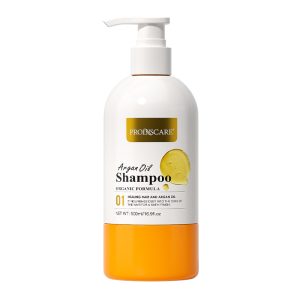
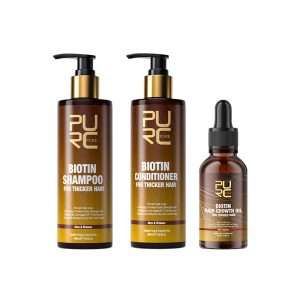
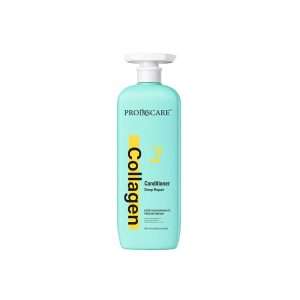
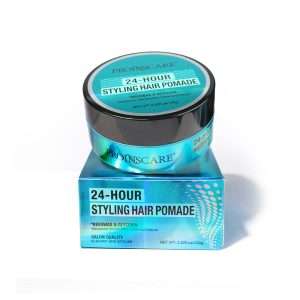
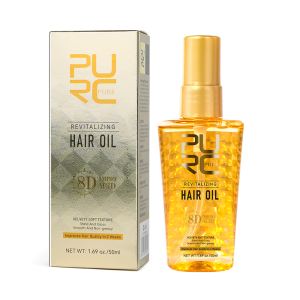
- Guangzhou LocRoyal Cosmetics Co., Ltd.: Hair care OEM and self-owned brands, including PROINSCARE and PURC.
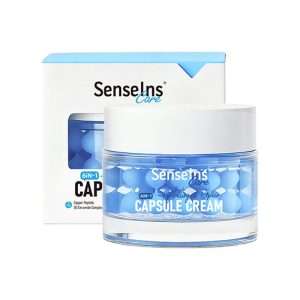
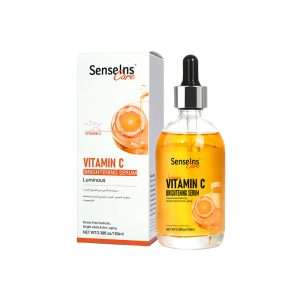
- Guangzhou BonnieCo Cosmetics Co., Ltd.: Skin care and color cosmetics OEM and self-owned brands, including SenseInsCare and Jellyprim.
- A 50,000㎡ self-owned production base in Foshan.
For growing brands, the best manufacturing model is not always the one with the highest level of customization. It is the one that best matches your product strategy, resources, and launch goals.
Private label hair care can offer an efficient starting point. OEM hair care manufacturing can provide greater control over product specifications. ODM hair care manufacturing can offer stronger manufacturer-led development support.
By understanding the differences between these three options, brands can make a more informed decision and choose a manufacturing approach that supports long-term growth.
Choosing the right manufacturing model is only part of the decision. Different manufacturers may offer very different levels of formulation support, MOQ flexibility, production capacity and packaging customization.
Once you know whether private label, OEM or ODM is right for your brand, the next step is to compare private label hair care manufacturers and identify suppliers that match your project requirements.
FAQs
1. What is the difference between private label vs OEM vs ODM hair care?
Private label starts with an existing or adaptable product, OEM follows buyer specifications, and ODM involves greater manufacturer-led product development.
2. Is private label hair care suitable for startups?
Yes. Private label hair care can be suitable for startups that want to launch products using an existing product platform.
3. What does OEM hair care manufacturing involve?
OEM hair care manufacturing can involve formula development, sampling, production, packaging, and quality control based on agreed product requirements.
4. What is ODM hair care manufacturing?
ODM hair care manufacturing involves manufacturer-led development support for brands that have a product idea but need help developing the finished product.
5. Which offers more customization: OEM vs ODM hair care?
Both can offer high customization. OEM generally follows more detailed buyer specifications, while ODM provides greater manufacturer involvement in product development.
6. Does LocRoyal offer private label hair care services?
LocRoyal provides hair care manufacturing services that include private label and OEM/ODM solutions.
7. Can packaging be customized?
Depending on the project, packaging can range from label customization to customized bottles, pumps, and cartons.
8. What products can be made through hair care contract manufacturing?
Hair care contract manufacturing can cover products such as shampoo, conditioner, hair masks, hair oils, scalp care products, and styling products.
9. How do I choose between the private label manufacturing model and OEM?
Choose private label when an existing product meets your needs, and OEM when you require greater control over product specifications and customization.
10. Can LocRoyal support OEM and ODM hair care projects?
Yes. LocRoyal offers hair care manufacturing services for brands seeking private label, OEM, and ODM product development and production support.