Starting a hair care brand involves more than creating a good shampoo, conditioner, or hair oil. One of the first questions most brands ask is: How much will private label hair care cost?
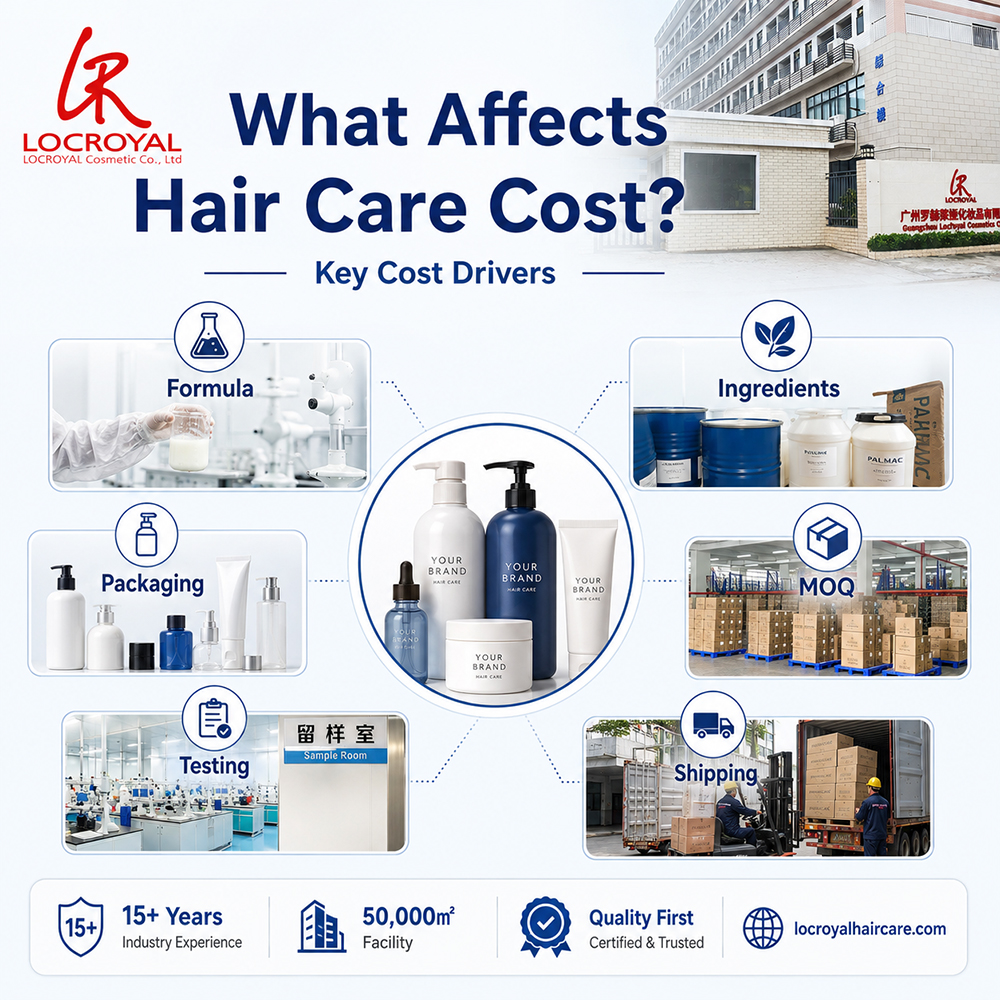
The answer depends on several factors. Formula ingredients, packaging, order quantity, printing, testing, product development, and shipping can all affect your final private label hair care cost. Understanding these factors before requesting a quote can help you compare manufacturers more accurately and avoid unexpected expenses.
What Determines Private Label Hair Care Cost?
There is no single price for private label hair care. Every project has different requirements, so manufacturers calculate private label hair care pricing based on the product specification. For example, an existing shampoo formula in a standard bottle will usually have different costs from a fully customized shampoo with premium ingredients, a new fragrance, custom packaging, and additional testing.
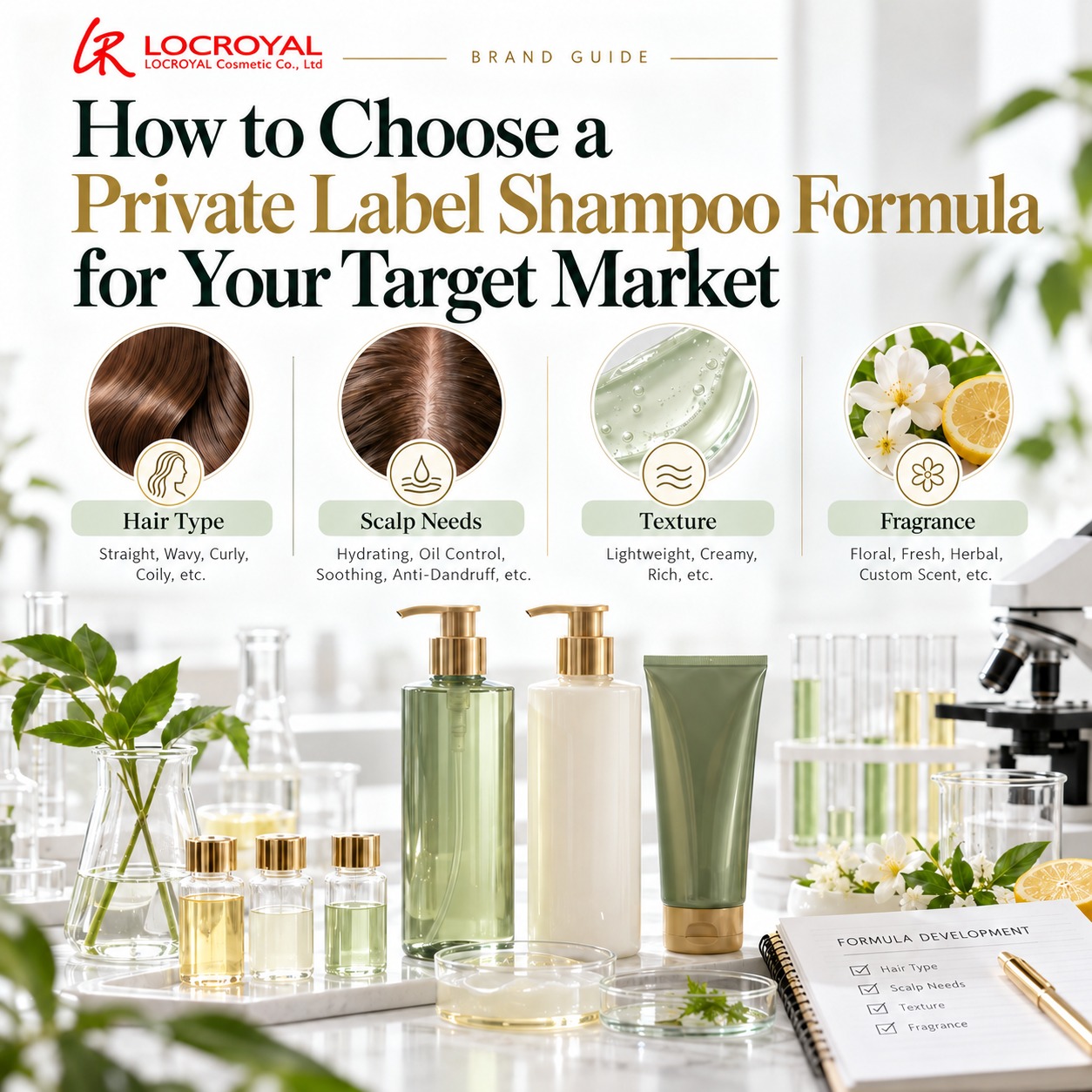
Your target market can also affect the hair care manufacturing cost because different countries may have different labeling, safety, documentation, and regulatory requirements. So, what should you look at when comparing an OEM hair care cost? Start with the formula and ingredients.
Formula and Ingredient Costs
Ingredients are one of the main factors affecting hair care manufacturing cost. A basic shampoo formula may use common cleansing and conditioning ingredients, while a premium product may include botanical extracts, specialty oils, proteins, active ingredients, or other higher-cost materials.
The amount of each ingredient used also matters. Adding a small amount of a premium ingredient is different from making it a major part of the formula. This is especially important when calculating shampoo manufacturing cost. A basic cleansing shampoo, moisturizing shampoo, scalp-care shampoo, and intensive treatment can all have different raw-material costs.
The same applies to a custom hair care product cost. If you request a completely new formula, the manufacturer may need to source specific ingredients and develop multiple samples before you approve the final version.
LocRoyal states that it maintains more than 10,000 hair care formulations and supports customized formulation, fragrance, texture, packaging, and label design.
Packaging Costs
Packaging is another major part of private label hair care pricing. When calculating packaging cost, remember that the bottle is only one part of the package. Your total packaging may include the bottle, cap or pump, inner seal, label, carton, printing, decoration, and shipping cartons.
A standard bottle can help keep your private label hair care cost under control. Custom bottles, special pumps, unusual shapes, or premium materials may require additional development, tooling, or higher minimum quantities.
Packaging size also matters. A 250 ml bottle requires less material than a 500 ml bottle, while larger packaging can also increase transportation costs. For this reason, ask your manufacturer to show packaging separately in the quotation. This makes it easier to understand how each packaging decision affects your OEM hair care cost.
Custom Printing and Label Costs
Branding can also change your packaging cost.
A simple adhesive label may have a different price from direct bottle printing, foil decoration, embossing, or a fully printed carton. Before production, ask your manufacturer whether the quotation includes:
- Labels
- Bottle printing
- Outer cartons
- Artwork preparation
- Special finishes
- Printing setup
- Tooling or molds
These details can make a noticeable difference to private label hair care pricing. Good packaging does not always have to be expensive. The best choice depends on your brand positioning, target customer, product type, and available budget.
MOQ and Unit Cost
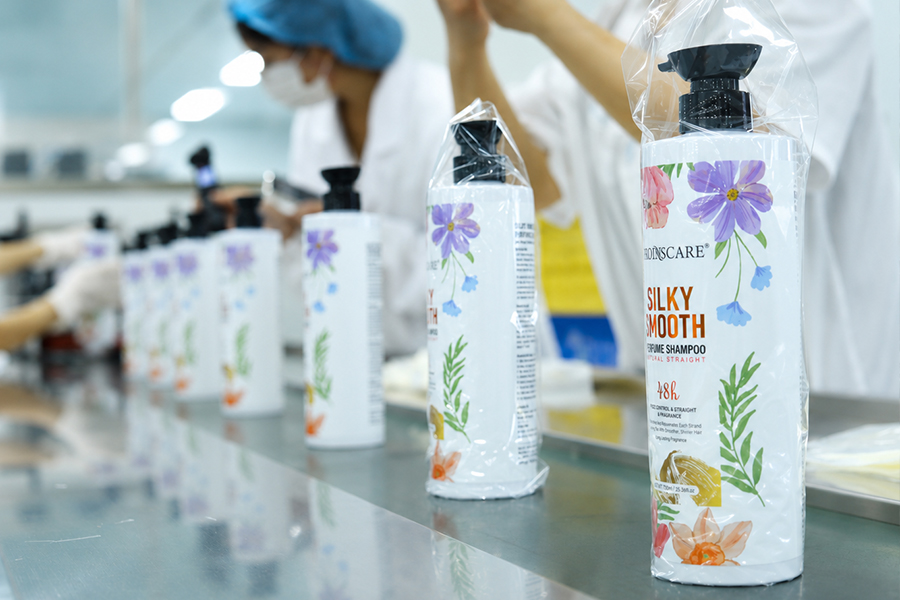
MOQ, or minimum order quantity, is closely connected to private label hair care pricing. Manufacturers may have different MOQs depending on whether you choose an existing formula or request custom formulation, fragrance, packaging, or other changes. LocRoyal states that some private-label hair oil orders can start at around 1,000 pieces, while customized formula, scent, and bottle projects may require 3,000 pieces or more depending on the project.
This shows why MOQ and unit cost should always be considered together.
A manufacturer offering a lower unit price may require a much larger order. Another manufacturer may offer a slightly higher unit price but a lower MOQ. For a new brand, ordering too much inventory can tie up cash and increase storage risk. Therefore, the lowest unit price is not automatically the best option.
When comparing shampoo manufacturing costs, ask about the price at several quantities. For example, you can request pricing for your initial order as well as larger production volumes. This will help you understand how MOQ and unit cost affect your long-term hair care manufacturing cost.
Testing and Compliance Costs
Testing and compliance are important parts of custom hair care product cost, especially when you plan to sell internationally.
Different markets have different regulatory requirements. In the United States, for example, the Modernization of Cosmetics Regulation Act (MoCRA) introduced requirements relating to areas such as facility registration, cosmetic product listing, adverse event reporting, and safety substantiation, subject to applicable requirements and exemptions.
Testing requirements can vary according to the product, ingredients, claims, and destination market. Therefore, there is no single testing package that applies to every hair care product.
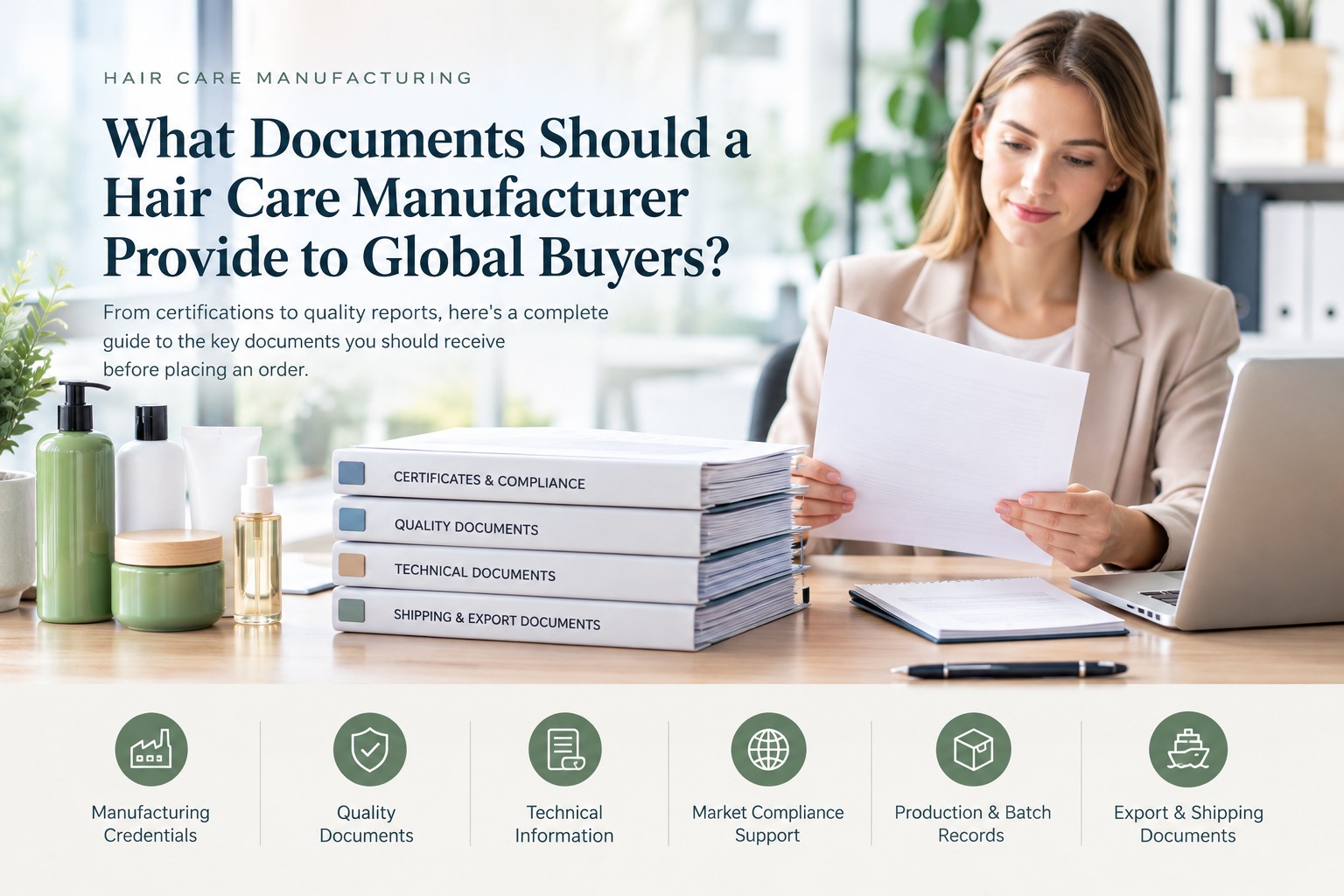
When requesting private label hair care pricing, tell your manufacturer where you plan to sell the product. This allows the factory to consider the relevant documentation and compliance requirements.
LocRoyal states that its manufacturing system follows ISO and GMPC standards and that quality control covers raw material inspection, production, filling, packaging, and finished-product testing.
Sampling and Development Costs
Do you want to use an existing formula, or do you need something completely new?
This decision can have a direct effect on your hair care manufacturing cost.
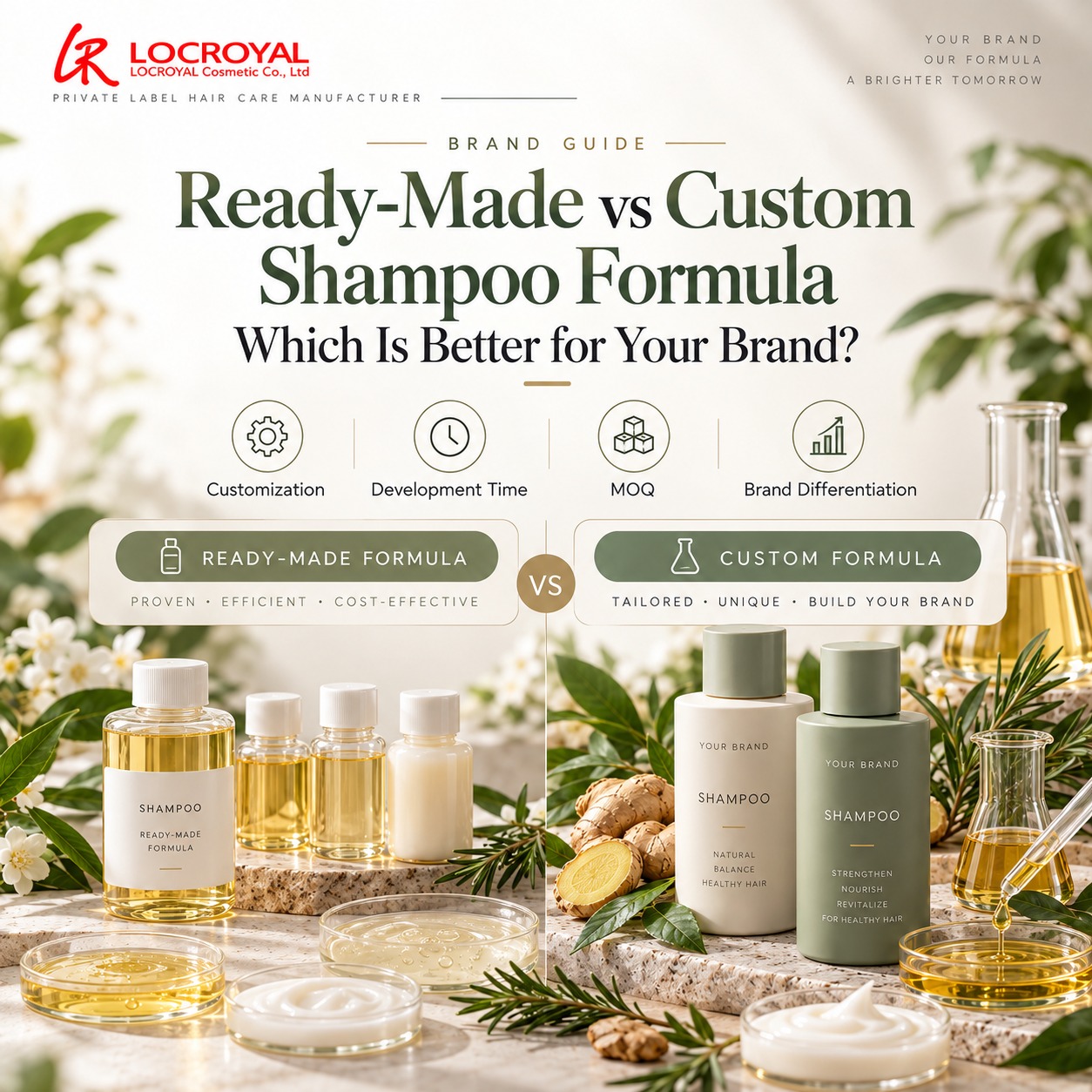
An existing formula can reduce development work because the manufacturer already has a formulation to work with. A custom project may require additional research, sample preparation, ingredient sourcing, fragrance adjustments, and revisions. That is why custom hair care product costs can be higher than a standard private label product.
Sampling costs should also be discussed before development begins. Ask whether samples, formulation revisions, laboratory work, and sample shipping are included in the quotation.
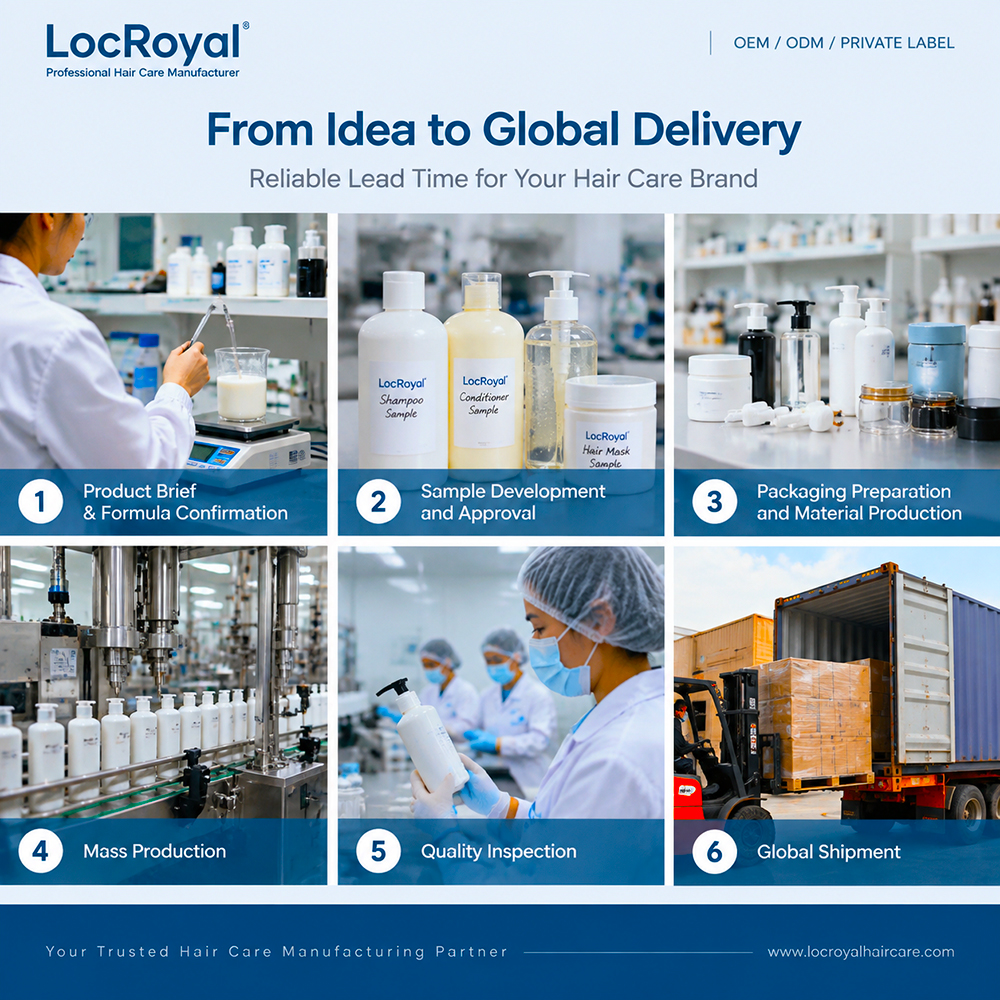
The more changes you request, the more development time may be required. LocRoyal describes its OEM/ODM services as covering product concept, formulation, packaging design, and production.
Shipping and Logistics
The factory price is not always the final cost of your products. Shipping and logistics can significantly affect private label hair care pricing, particularly for international brands.
Your total logistics cost can depend on shipment size, destination, shipping method, packaging dimensions, freight rates, and the terms used in the quotation. For example, a product with a low shampoo manufacturing cost may become more expensive to import if the packaging is large or difficult to transport.
When comparing OEM hair care costs, confirm whether the quotation is EXW, FOB, CIF, DDP, or another shipping arrangement. Make sure you understand exactly which transportation costs are included. LocRoyal states that it supports international shipping through methods including DHL, FedEx, air freight, and sea freight.
Why the Lowest Quote Is Not Always the Lowest Cost
A low private label hair care cost may look attractive, but is it really the lowest total cost?
Not always.
One supplier may offer a low unit price but exclude labels, cartons, testing, samples, or shipping. Another manufacturer may provide a higher initial quotation but include more services.
Quality is another important consideration. Consistent production, raw material control, testing, and quality assurance are essential for building a reliable hair care brand. LocRoyal states that its quality-control process covers raw materials, formula preparation, filling, packaging, and finished-product testing. When comparing private label hair care pricing, look at the complete quotation rather than focusing on one number.
Consider:
- Formula and ingredients
- Packaging
- Printing and labels
- MOQ
- Sampling
- Product development
- Testing
- Production
- Shipping
- Lead time
- Quality control
This gives you a much clearer picture of the actual hair care manufacturing cost.
Price should not be evaluated in isolation. Two manufacturers may quote different unit costs because their formulas, packaging, testing, production systems and included services are not the same.
Before choosing a supplier, compare manufacturers using the same product specifications and quotation requirements. See our guide to compare private label hair care manufacturers by capabilities, customization, production scale and brand fit.
How to Request an Accurate Manufacturer Quote
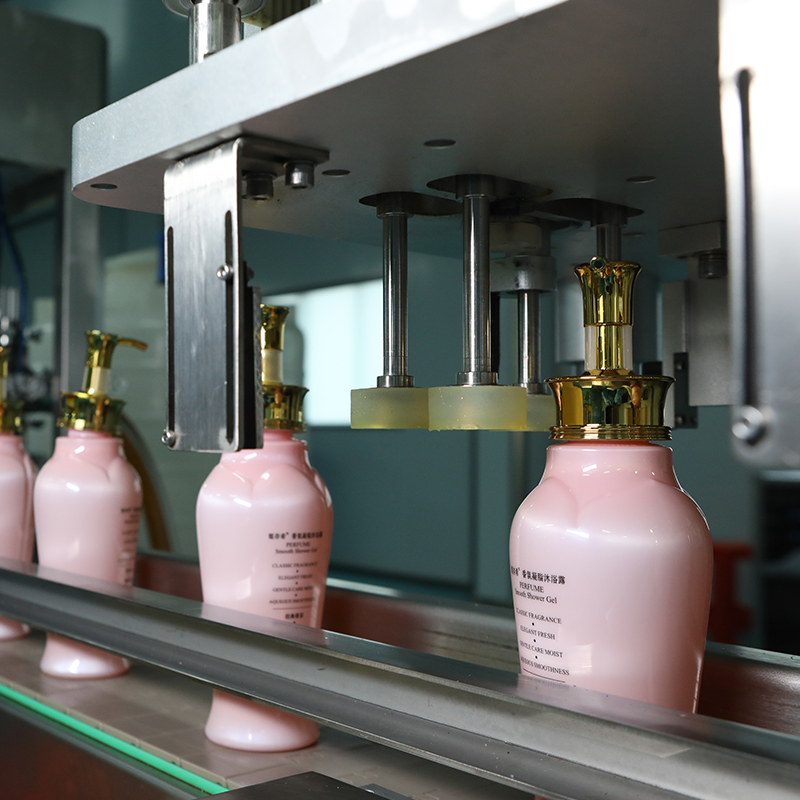
Want a more accurate private label hair care cost? Give the manufacturer a detailed product brief.
Include:
- Product type: Shampoo, conditioner, hair mask, hair oil, serum, or treatment.
- Formula: Existing, semi-custom, or fully custom.
- Ingredients: List your preferred ingredients or formulation requirements.
- Size: For example, 250 ml or 500 ml.
- Packaging: Bottle, tube, jar, pump, or another format.
- Branding: Labels, printing, cartons, or special decoration.
- Quantity: Expected MOQ and first order quantity.
- Target market: Tell the manufacturer where you will sell.
- Product claims: Explain your intended product positioning.
- Destination: Provide the country and shipping location.
Instead of asking, “How much does shampoo cost?”, provide a complete specification. This allows the manufacturer to calculate your shampoo manufacturing cost, packaging cost, and overall private label hair care pricing more accurately.
Choosing a Custom Hair Care Manufacturer
Working directly with a custom hair care manufacturer can make communication easier because formulation, packaging, production, and quality control can be coordinated through one manufacturing partner.
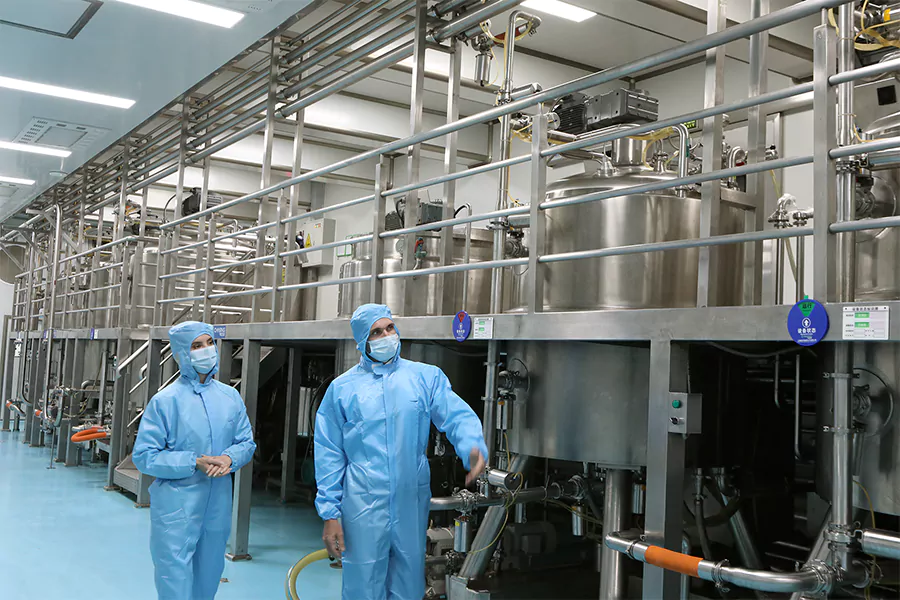
LocRoyal provides private label and OEM/ODM hair care solutions covering formulation, fragrance, texture, packaging, label design, and production. The company states that it has more than 15 years of hair care manufacturing experience and operates a 50,000㎡ manufacturing facility in Foshan.
The company identifies its wider organization as Foshan BonnieCo Biotechnology Co., Ltd. (BonnieCo Group) and describes three core business divisions:
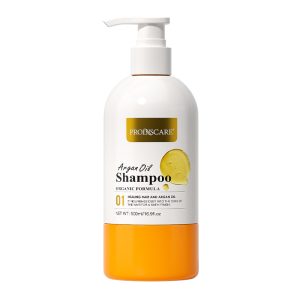
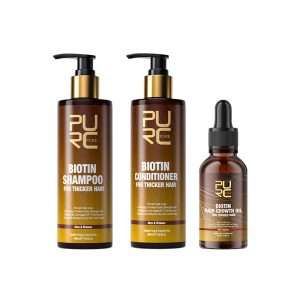
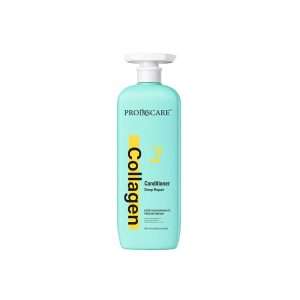
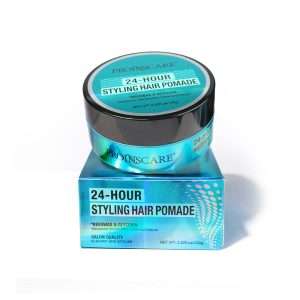
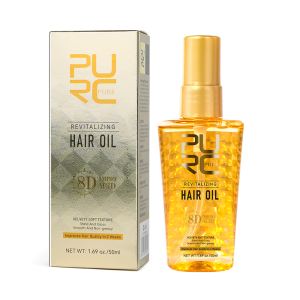
- Guangzhou LocRoyal Cosmetics Co., Ltd.: Hair care OEM and self-owned brands including PROINSCARE and PURC.
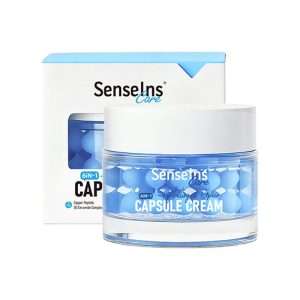
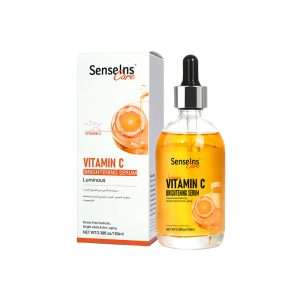
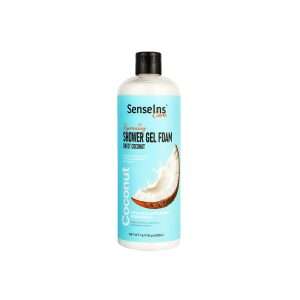
- Guangzhou BonnieCo Cosmetics Co., Ltd.: Skin care and color cosmetics OEM and self-owned brands including SenseInsCare and Jellyprim.
- A 50,000㎡ self-owned production base in Foshan.
For brands comparing OEM hair care costs, having manufacturing, development, packaging, and quality-control capabilities under one organization can simplify the sourcing process.
Conclusion
So, what affects private label hair care cost?
The main factors are formula and ingredients, packaging, printing, MOQ, testing, product development, and logistics. Each can change your final hair care manufacturing cost. The lowest quotation is not always the best deal. Instead, compare the complete cost and understand exactly what is included.
A detailed product brief is the best starting point. By clearly defining your formula, packaging, quantity, target market, and shipping destination, you can receive more accurate private label hair care pricing and make a better manufacturing decision.
FAQs
1. What is private label hair care cost?
It is the cost of producing branded hair care products, including factors such as ingredients, packaging, production, testing, and logistics.
2. What affects private label hair care pricing?
Formula complexity, ingredients, packaging, MOQ, customization, testing, development, and shipping all affect private label hair care pricing.
3. How does packaging affect hair care manufacturing cost?
Bottle type, size, pump, labels, cartons, printing, and decoration can all affect packaging cost and the final unit price.
4. Is custom hair care product cost higher?
It can be. Custom formulas may require additional formulation, samples, ingredient sourcing, and development work.
5. How does MOQ affect unit cost?
MOQ and unit cost are connected. Larger orders may reduce the unit price, while smaller orders may have higher per-unit costs.
6. What affects shampoo manufacturing cost?
Ingredients, formula complexity, packaging, order quantity, testing, production, and shipping can all affect shampoo manufacturing cost.
7. Does LocRoyal provide OEM hair care services?
Yes. LocRoyal provides private label and OEM/ODM services for hair care products, including formulation, packaging, and production.
8. Can LocRoyal customize packaging?
Yes. Its services include packaging and label design as part of its private label and OEM/ODM solutions.
9. Can testing affect OEM hair care cost?
Yes. Testing and market-specific compliance requirements can add to the overall OEM hair care cost.
10. How can I get a private label hair care quote?
Provide your product type, formula requirements, ingredients, packaging, quantity, target market, and shipping destination. This allows a manufacturer to provide more accurate private label hair care pricing.