Cambodia is experiencing a moment. It has an expanding economy, an expanding middle class, and young consumers are spending more on personal care than ever before. Cambodia could be the perfect place to consider starting a hair care line in Southeast Asia.
The actual question is this, though: how do you convert that opportunity into a product that can be found on a shelf or sold online? And that is where the correct manufacturing partner fits in, and that is what this guide is about. The Cambodia hair care market ceases to be a small segment of the beauty market. It is turning into a true growth story, and those brands that strike first are the ones that benefit the most.
In the following paragraphs, we will unpack this growth, where new brands are most likely to falter, and how LocRoyal, a Chinese-based manufacturer of private-label hair care, can assist brands in launching and growing with confidence.
Why Cambodia’s Hair Care Market Is Growing
The economy of Cambodia has been steadily increasing, and this is putting more money in the hands of the people. One of the first areas to gain with an increase in income is personal care. Shampoo, conditioner, and hair treatments are not the things that people buy once in a while anymore. They are being integrated into everyday life, particularly in cities such as Phnom Penh and Siem Reap.
The influence of social media is significant as well. The Cambodian consumers, especially Gen Z and millennials, are not an exception and are following the same beauty trends as the rest of the world. They observe styling ideas in Korea, Thailand, and the West, and they would like to experience them. This is driving sales of hair care products in Cambodia beyond simple cleansing, such as keratin treatments, scalp serums, and anti-frizz sprays.
Four Areas Driving Real Demand
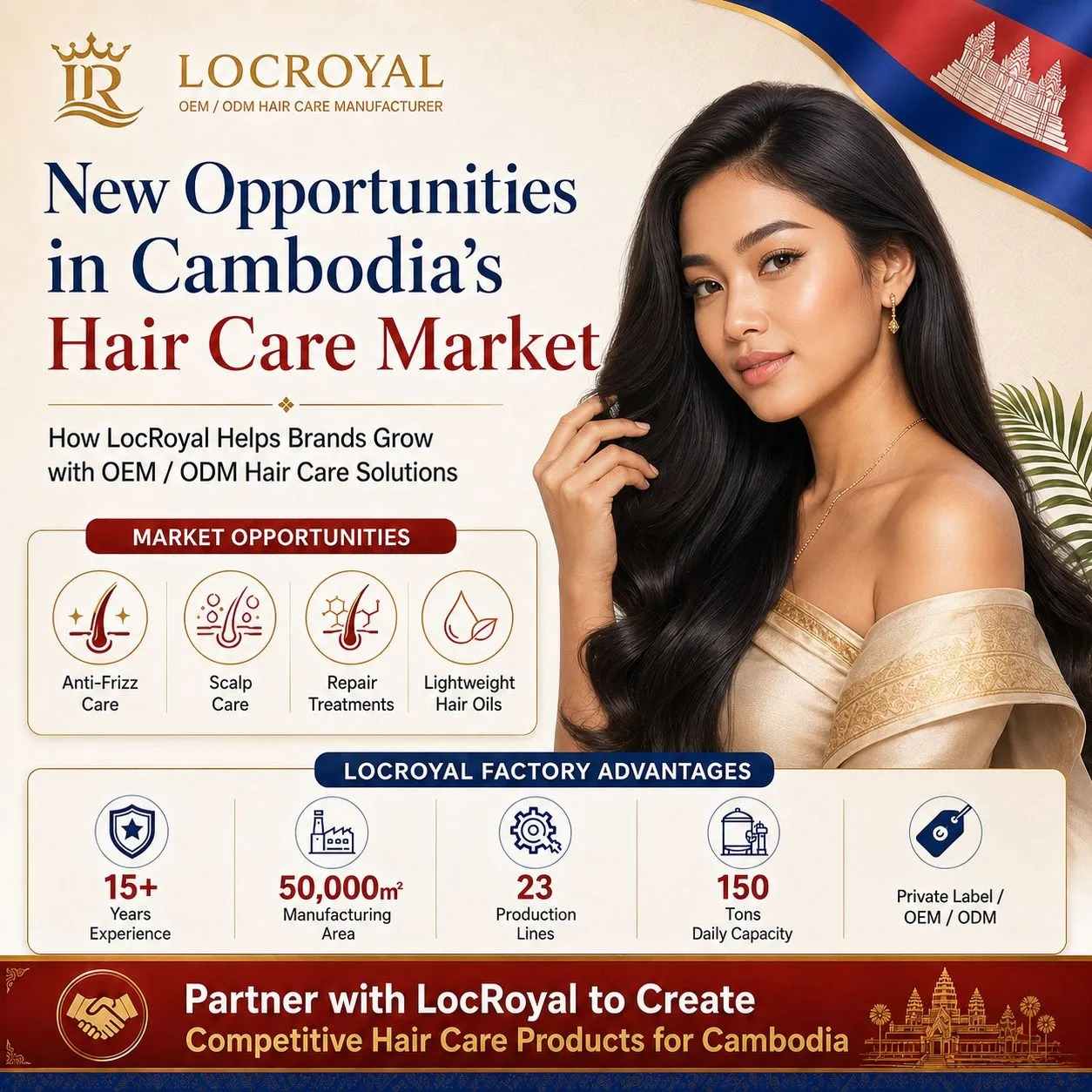
There are four product categories that are currently trailing in this market:
- Anti-frizz care for Cambodia’s humid, tropical climate
- Scalp care as consumers pay closer attention to scalp health, not just hair length
- Repair treatments for hair damaged by heat, sun, and styling
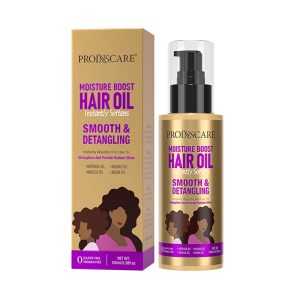
- Lightweight hair oils that nourish without weighing hair down in the heat
Another notable trend is the move towards more natural and plant-based formulas, where natural coconut oil, local botanicals, etc., are gaining popularity among Cambodian shoppers without a noticeable loss in performance.
Then why not more brands faster, then, it is suggested, when demand is increasing in these particular regions?
The Challenges New Brands Face When Entering Cambodia
With every developing market, there are increasing pains, and the Cambodia hair care market is not an exception.
The dependence on imported goods in the market is one of the major obstacles. The bulk of hair care products that are sold in Cambodia today are imports, which implies that brands are competing based on price, shipping time, and availability on shelves. A sluggish or unstable supply chain will cost you time.
Trust is another issue. Cambodian consumers would like to see evidence that a product is working, and then they will purchase it again, and therefore, the packaging and quality of the formula must make them think that this is a credible product that they have purchased the first time.
Regulatory preparedness is important here as well. The cosmetics sold in Cambodia usually require that the product be registered with the product notification system of the Ministry of Health, thus collaborating with a manufacturer that is conversant with GMP documentation and export paperwork results in real-time savings in the future.
Next is differentiation. When global brands such as L’Oreal, Unilever, and Procter & Gamble are already playing in Cambodia, smaller brands require something that these giants fail to provide: a narrow product range, a special formula, or a brand narrative that resonates with local customers.
It is at this point that the right OEM hair care factory comes in as a difference-maker.

What an OEM Hair Care Factory Does for Your Brand
OEM, or Original Equipment Manufacturer, implies that a factory will create the products according to a formula that you will provide, or personalize one that they already have. ODM, or Original Design Manufacturer, goes a step further and does your research, formulation, and design. Simply, a powerful OEM hair care factory is your background production team, hence you can concentrate on marketing and developing your brand.
So, what is the big deal with this as far as brands looking at Cambodia are concerned? Due to speed and quality control, which may or may not break a launch. A factory that has the ability to change the order size and minimum order quantity allows you to experiment with the market before investing in large order quantities, which is important when you are new to the market.
It also implies that you do not have to pay to erect a lab or even pay chemists to get started. You receive professional production, and you do not have to own your own factory.
Inside LocRoyal’s Factory: Built for Quality and Scale
LocRoyal is a subsidiary of the BonnieCo Group or Foshan BonnieCo Biotechnology Co., Ltd., a company that is established on self-owned production, world certifications, and 15 years of experience in smart beauty production.
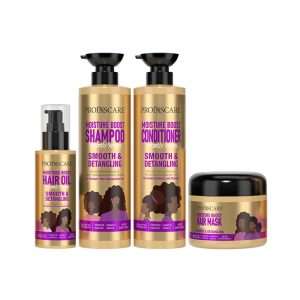
The company operates three main divisions, which include hair care OEM and self-owned brands PROINSCARE and PURC by Guangzhou LocRoyal Cosmetics Co., Ltd.; skin care and color cosmetics OEM; and a 50,000 square meter self-owned production facility in Foshan by Guangzhou BonnieCo Cosmetics Co., Ltd.
Production Capacity and Equipment
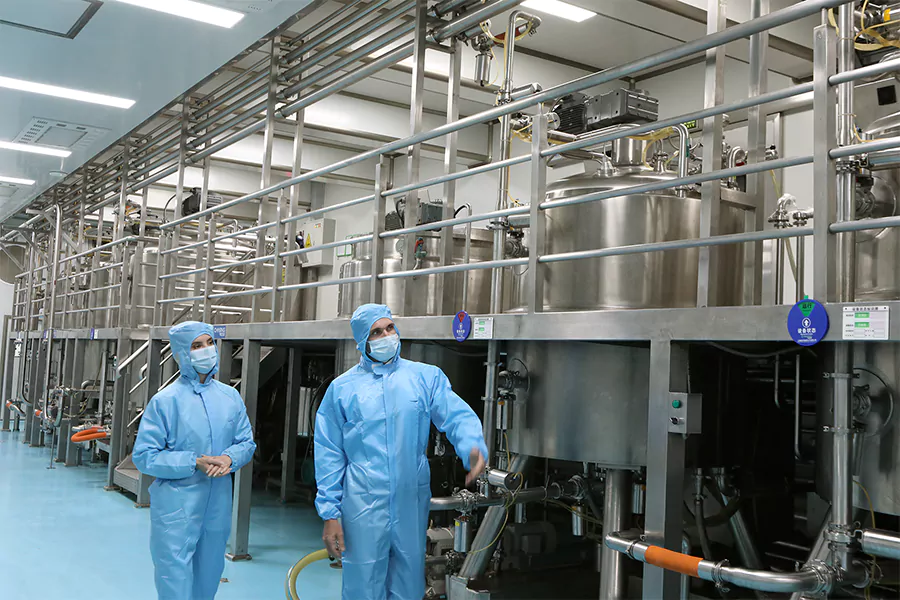
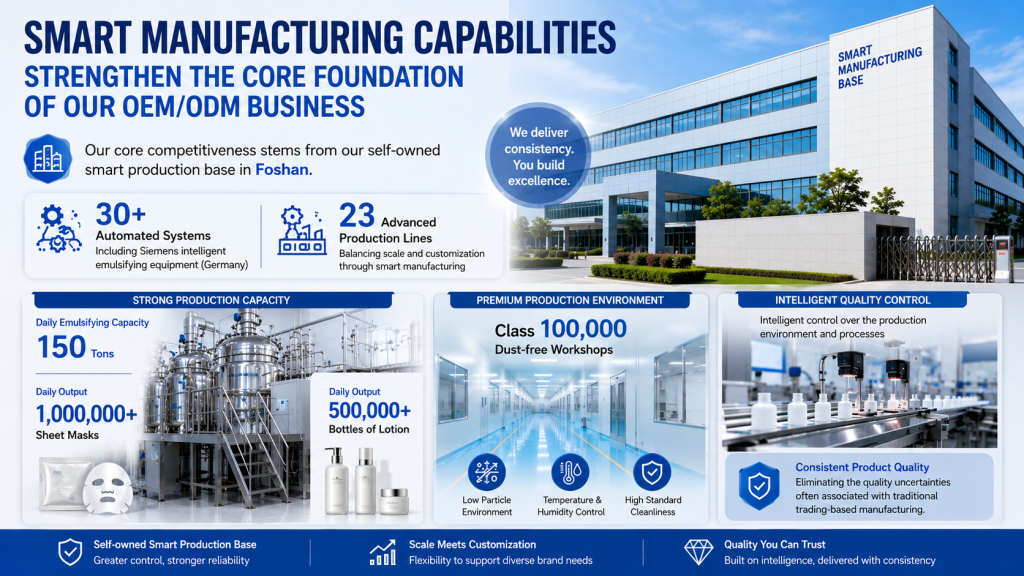
The plant has all-intelligent Siemens production equipment to control the ingredients of every batch, and this is important when irregular formulae can ruin a brand within a short time. Its production lines are 23 high-tech lines with over 30 automatic machines, which can achieve over 150 tons per day in a 100,000-level dust-free workshop.
Quality Control and Certifications
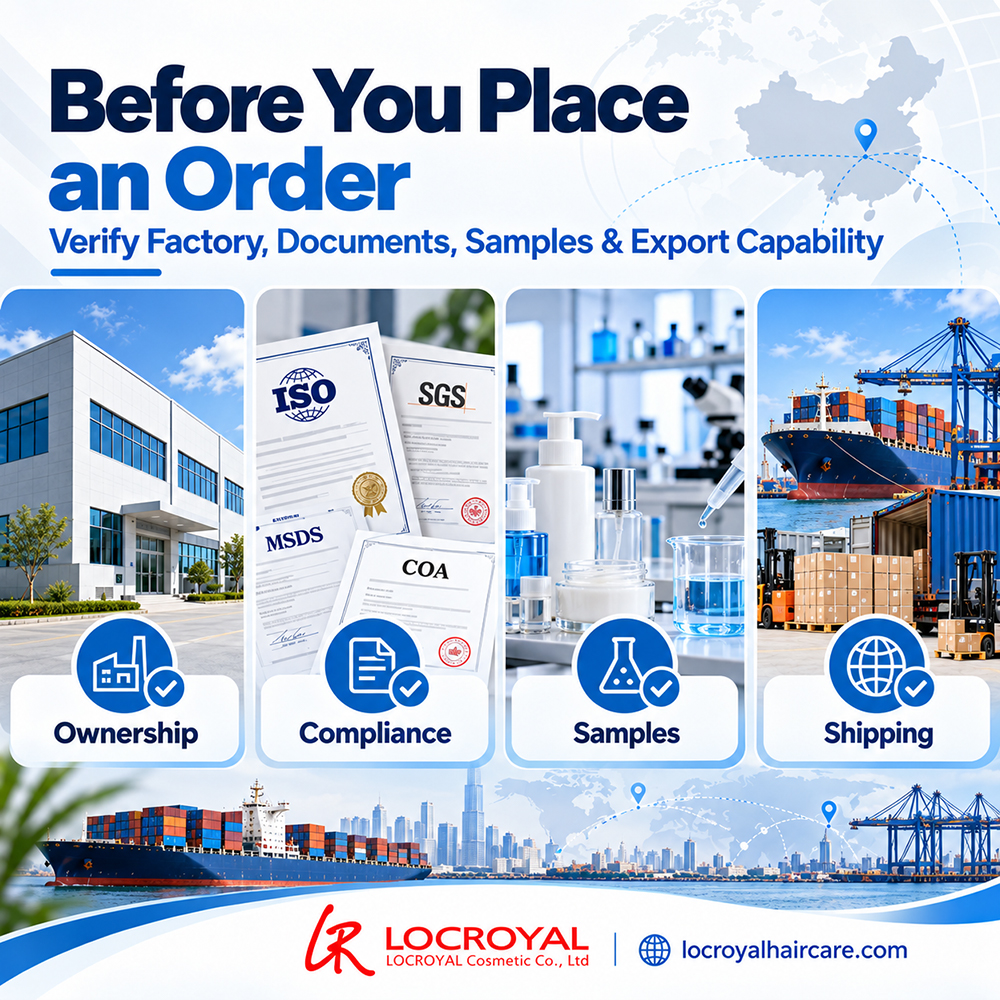
All product lines undergo three years of sample retention testing, and batch-level checks are made during the process. LocRoyal is certified with ISO, GMPC, FDA, BPOM, and CPNP, which are the type that instills trust among buyers and regulators within a new market, such as Cambodia.
Now, how does this translate into something you can actually use for your own brand?
Private Label and OEM Services Built for Brand Owners
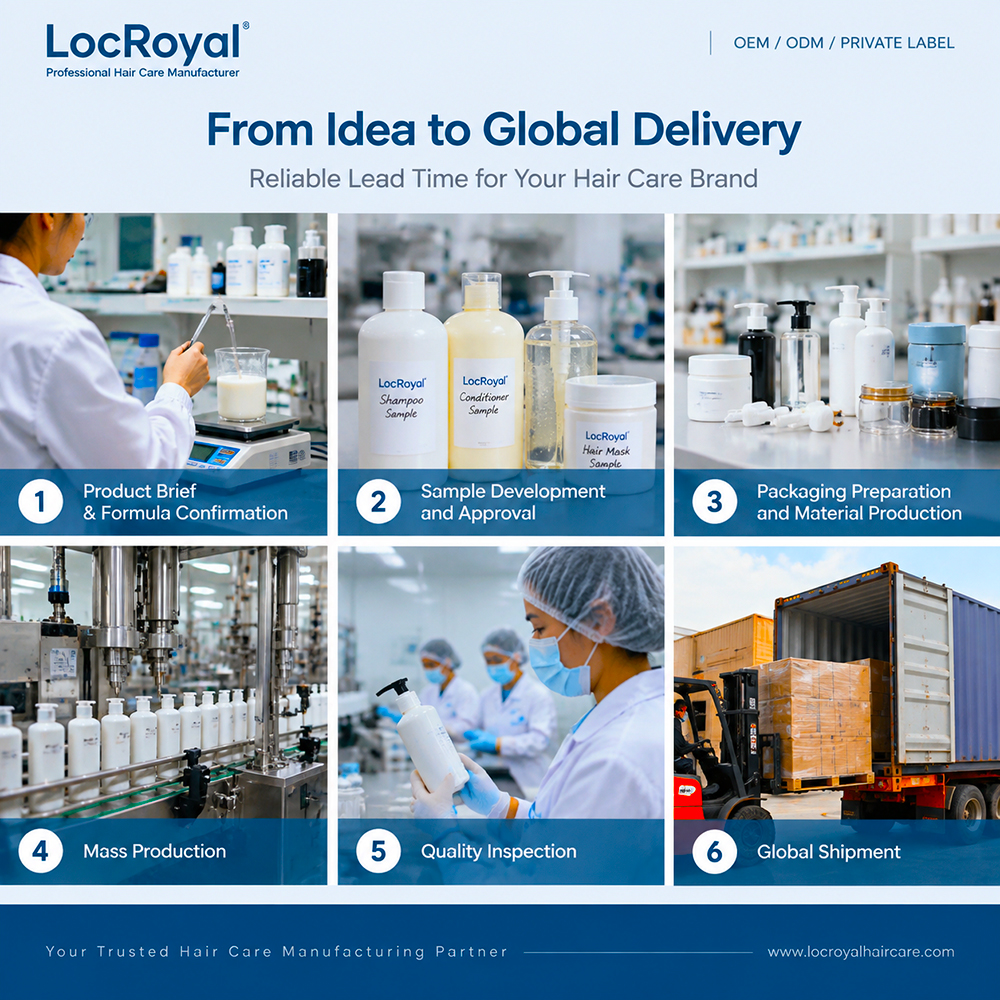
This is where LocRoyal comes in. Being a private label hair care manufacturer, the company provides complete OEM and ODM, including product development, to final packaging. In case you already have a formula concept, the team develops and brings it out.
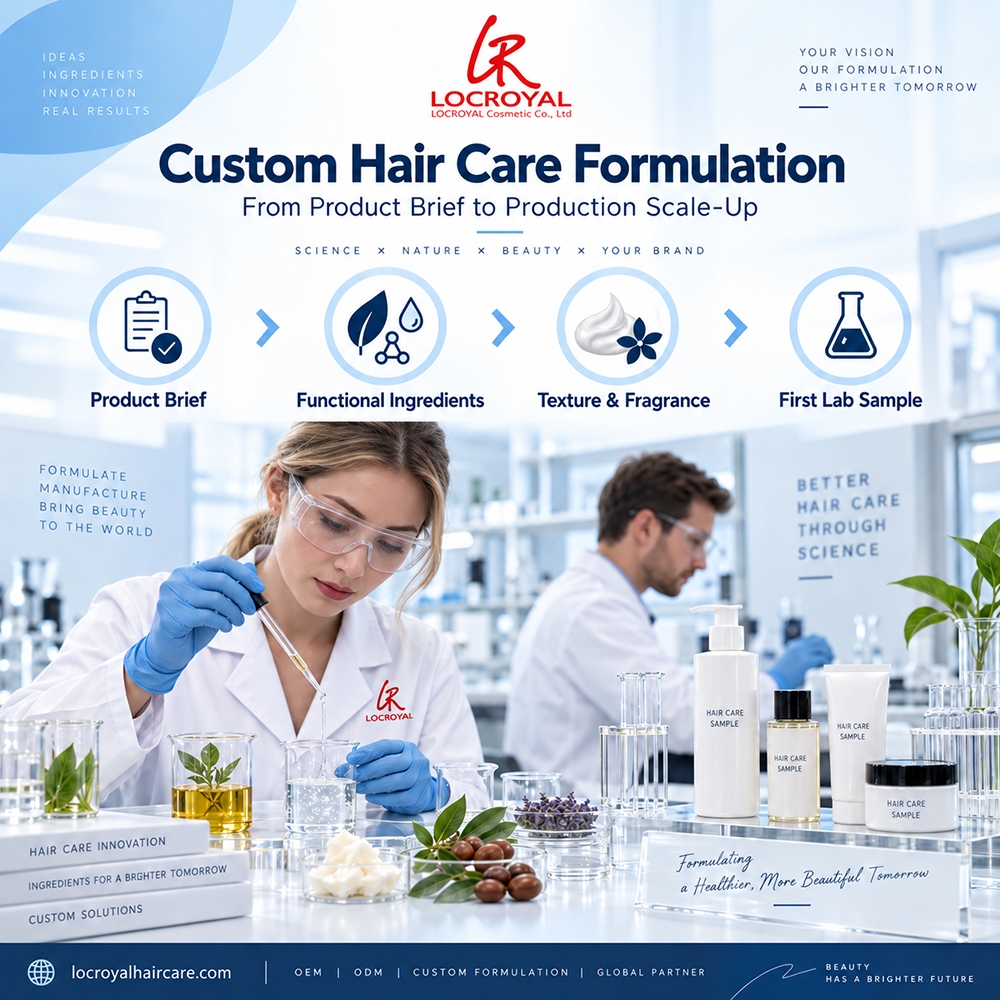
When you are a new company, the house research and development unit will develop a formula to fit the current need, be it a lightweight humidity-conforming oil, a deep conditioning mask, or a fragrance-oriented shampoo with lasting fragrance.
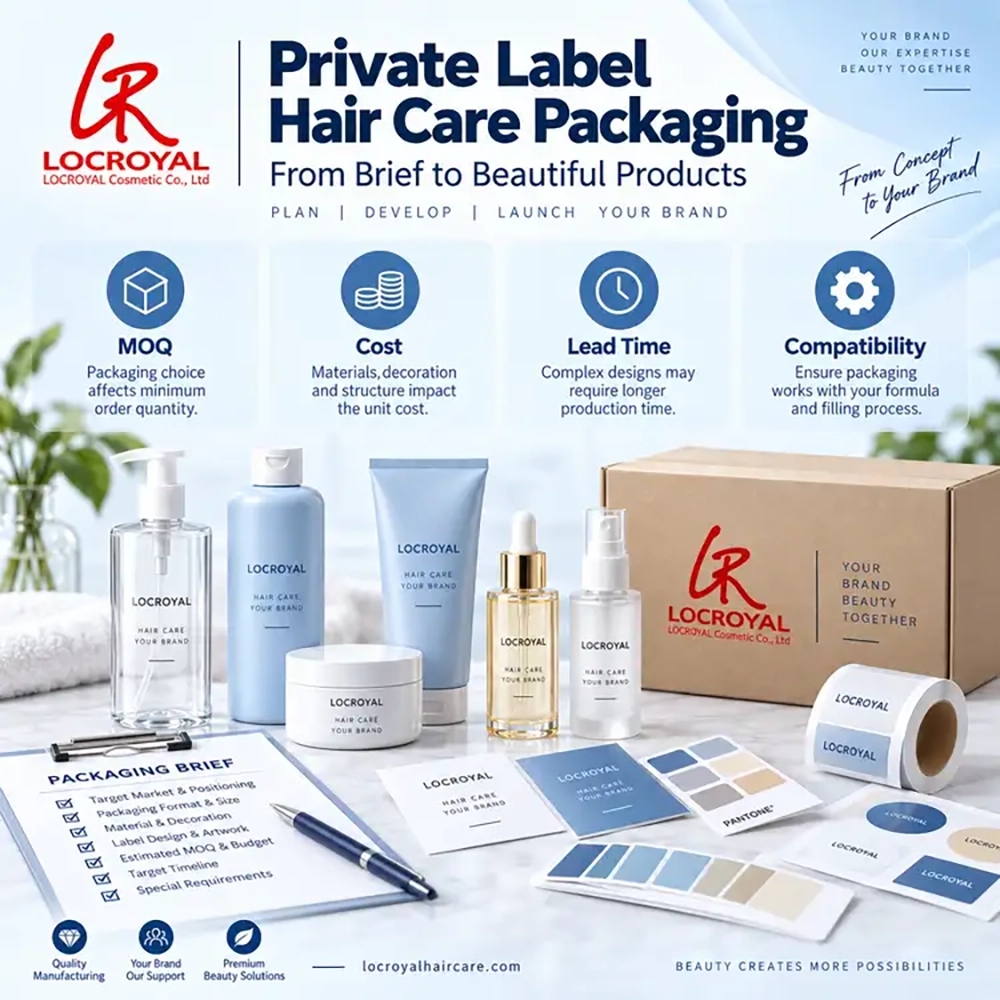
The support of packaging and branding is as important as the formula. LocRoyal offers packaging design, marketing visuals, and video production to ensure that your brand is ready to be offered in retail or e-commerce on the first day, which is a great advantage for small brands that lack an in-house design team.
The process has also been designed to be flexible. Production lines are responsive to new product types and volume of orders, and thus you are not bound to a huge minimum order quantity just to get started. Already with partners in over 100 countries, LocRoyal has real-life experience of working out formulas and packaging to fit various climates and consumer behaviors, such as humid, tropical markets such as Cambodia.
Conclusion
The Cambodia hair care market is on its way up, consumerism is moving toward quality, and new brands have real potential. Opportunity, however, does not make a business. You need someone who can make an idea work into a finished product that performs.
This is what LocRoyal can do. Having 15 years of experience in manufacturing, internationally recognized certifications, and a complete package of private label and OEM solutions, LocRoyal provides brands with the means to compete with confidence in the beauty sector of Southeast Asia.
You may be starting your first shampoo line or adding hair masks and serums, but having a reliable hair care products in Cambodia supply chain partner makes all the difference. And in case you have been interested in the Cambodia hair care market, it will be a good time to begin the discussion. Get in touch with LocRoyal to discuss your product vision.
Frequently Asked Questions
1. What makes Cambodia’s hair care market attractive for new brands right now?
The increasing incomes, the young population, which is actively using social media, and the growth in demand for natural hair care products in Cambodia are contributing to the stable market growth and actual opportunities for new brands.
2. What is the difference between OEM and private label hair care manufacturing?
OEM refers to factory production of products to your specifications, whereas private label usually involves ready-made formulas that you brand as your own. LocRoyal offers both.
3. Do I need my own formula to work with an OEM hair care factory?
No. LocRoyal has an internal R&D team, which can design an original formula, depending on your objectives, audience, and budget.
4. How does LocRoyal ensure consistent product quality across large orders?
LocRoyal employs Siemens intelligent equipment to achieve accurate control of ingredients, 3-year sample retention testing, and batch-level quality control.
5. Can small or new brands order smaller batches to test the Cambodian market?
Yes. Quick response to demand with flexible production lines and minimum order quantities, which allow you to test demand before undertaking higher production levels.
6. What certifications does LocRoyal hold, and why do they matter?
LocRoyal is certified to ISO, GMPC, FDA, BPOM, and CPNP, which is a fast-track to gaining buyer and regulatory confidence in a new market.
7. Does LocRoyal help with branding and packaging design, not just manufacturing?
Yes. LocRoyal assists with the visuals in the packaging design, marketing, and promotional video content to launch it in a polished, professional way.
8. What types of hair care products can LocRoyal manufacture?
Shampoos, conditioners, hair masks, oils and serums, styling sprays, keratin treatments, and wig care products, customizable by hair type.
9. How does working with a private label hair care manufacturer reduce startup costs?
It also eliminates the necessity of constructing a lab, employing chemists, or purchasing equipment, enabling you to start with much less initial investment.
10. Is LocRoyal experienced in exporting to Southeast Asian markets like Cambodia?
LocRoyal operates with suppliers in over 100 countries and has experience in adjusting formulas and packaging to various climates, including markets throughout Southeast Asia.