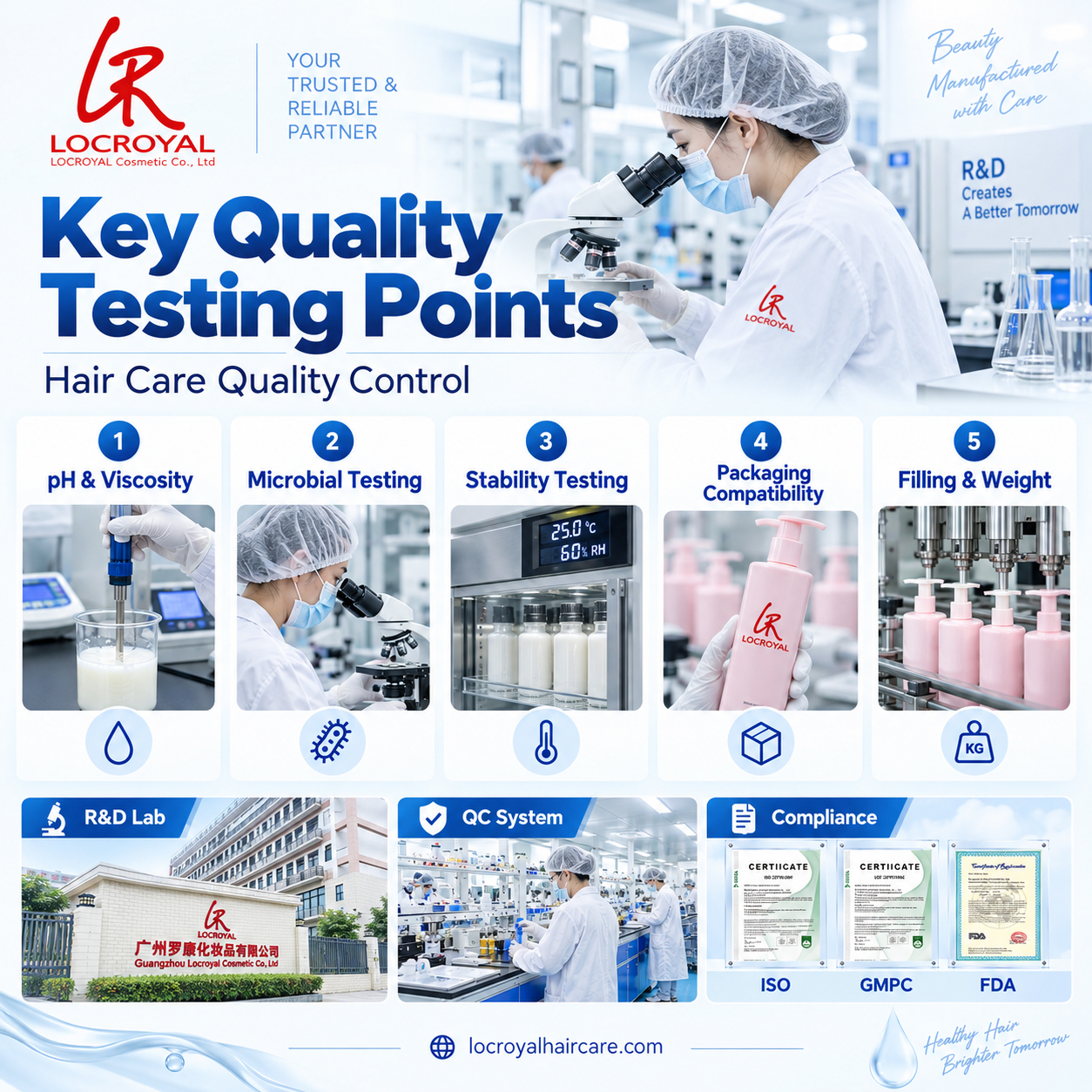
Launching a shampoo, conditioner, hair mask, hair oil, or styling product involves more than creating a good formula. Before mass production begins, brands need to make sure the product is safe, stable, consistent, and suitable for its packaging.
This is why hair care quality control should begin before the first large production run. A professional process checks everything from raw materials to the finished product. It also helps brands reduce avoidable production problems and maintain consistent quality from batch to batch.
For brands working with an OEM or ODM manufacturer, understanding hair care quality testing can make it easier to choose the right factory and define clear product specifications.
So, what should brands check before approving mass production?
Why Quality Control Matters
Good hair care quality control protects both the product and the brand. A formula that looks perfect in a laboratory sample may behave differently when produced on a much larger scale.
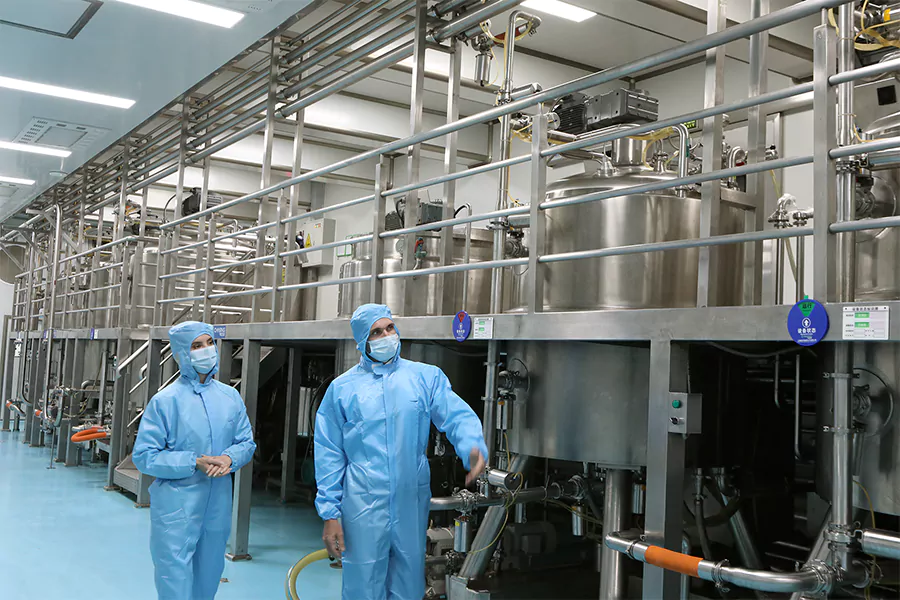
Changes in raw materials, mixing conditions, temperature, filling, storage, or packaging can affect the final product. This is why cosmetic quality control needs to cover the complete manufacturing process rather than only the finished bottle.
A proper quality system can include raw material inspection, formula and batch control, pH and viscosity checks, microbial testing, stability testing, packaging compatibility testing, filling inspection, and finished product testing.
ISO 22716 provides international GMP guidance for cosmetic production, control, storage, and shipment.
For brands, the key question is simple: Can the manufacturer produce the same quality consistently at commercial scale?
Raw Material Inspection
Every finished hair care product starts with its ingredients. Therefore, raw material inspection is one of the first steps in effective cosmetic quality control.
Before production, ingredients should be checked against approved specifications. Depending on the material, checks may cover identity, appearance, physical properties, documentation, and other relevant quality requirements.
This matters because variations in a surfactant, botanical extract, fragrance, conditioning agent, or other ingredient can affect the final product’s color, odor, texture, performance, or stability.
FDA cosmetic GMP guidance recommends controls for approved materials, identification, weighing, and production records.
A strong hair care quality testing process therefore starts before the ingredients enter the mixing tank.
Brands should ask manufacturers how materials are received, inspected, stored, approved, and traced throughout production.
Formula & Batch Control
Once materials are approved, the next challenge is producing the formula consistently.
Cosmetic quality control should use an approved formula and defined manufacturing procedure. Ingredient quantities, production sequence, mixing conditions, and other important parameters need to be controlled.
This becomes especially important when moving from laboratory samples to mass production. A formula that works well in a small vessel may require carefully controlled production conditions at industrial scale.
Hair care quality control should also include batch records. These records can document the materials used, quantities, processing steps, testing, and batch identification.
FDA guidance recommends maintaining records for materials, processing, filling, sampling, testing, and batch identification.
Good batch control creates traceability and makes it easier to investigate problems if they occur.
But how can brands confirm that each batch has the right physical characteristics?
pH and Viscosity Testing
pH and viscosity are important measurements in hair care quality testing.
The pH of a product should meet the specification established for that particular formula. Viscosity testing checks whether the product has the expected thickness and flow.
For example, a shampoo that is much thinner than its approved specification may provide a different consumer experience and may also create filling or packaging challenges. A hair mask that is too thick could create dispensing problems.
This is where cosmetic quality control connects laboratory measurements with the actual consumer experience.
Brands should agree with the manufacturer on specifications and acceptable ranges before mass production begins.
Physical testing is important, but there is another area that cannot be overlooked: microbiological quality.
Microbial Testing
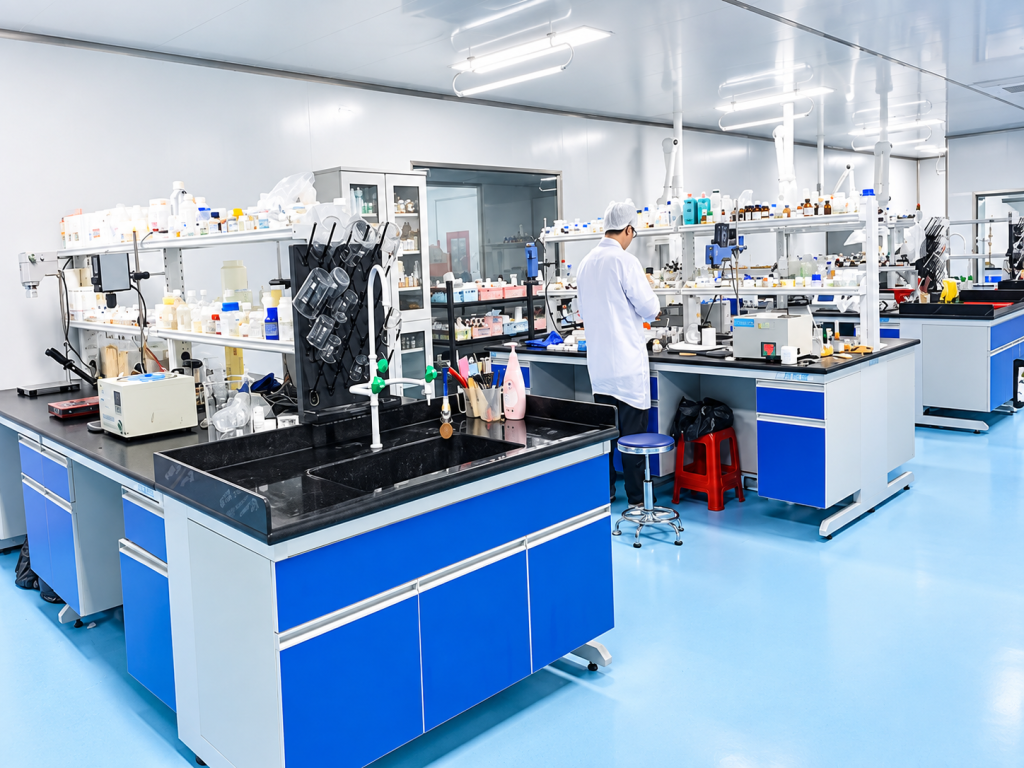
Microbial testing is an important part of hair care quality testing, particularly for products that may support microbial growth if manufacturing controls or preservation are inadequate.
FDA guidance recommends appropriate testing of raw materials, in-process samples, and finished products for microbial contamination where applicable. It also highlights controls for water used as a cosmetic ingredient and preservation adequacy under reasonably foreseeable storage and consumer-use conditions.
The exact testing requirements depend on the formula, product type, target market, and applicable regulations.
For brands, the important point is that microbial quality should be addressed as part of the manufacturing quality system, rather than treated as an afterthought.
A product can pass initial checks and still change during storage, which is why stability testing is also important.
Stability Testing
What happens to the formula after several months?
Stability testing helps manufacturers and brands understand how a product behaves over time under defined conditions. It is an important part of hair care quality testing because products need to remain within their intended specifications during their expected shelf life.
Depending on the product and testing program, stability checks may monitor appearance, color, odor, pH, viscosity, separation, and microbial condition.
Cosmetic quality control should also consider expected storage and transportation conditions. This can be particularly important for brands selling internationally, where products may experience different climates and temperatures.
Stability testing can be especially useful when a brand changes its formula, packaging, ingredient supplier, or manufacturing process.
However, even a stable formula needs suitable packaging.
Packaging Compatibility Testing
A hair care formula and its packaging must work together.
Packaging compatibility testing evaluates whether the container, closure, pump, tube, or other packaging components are suitable for the formula throughout storage and use.
This is an important part of cosmetic quality control because packaging can affect product protection, dispensing, appearance, and consumer experience.
Potential issues can include leakage, changes in packaging appearance, dispensing problems, or unwanted interaction between the formula and packaging materials.
LocRoyal states that its packaging quality controls include compatibility testing as well as checks for appearance, capacity, leakage, and destructive performance.
Brands should confirm packaging specifications before mass production rather than waiting until the finished products are ready.
Filling & Weight Inspection
The right formula in the wrong quantity is still a production problem.
Hair care quality control should include filling checks to confirm that products receive the intended amount according to the approved specification and applicable requirements.
Weight or fill-volume checks can help identify variation during production. These checks are also part of broader cosmetic quality control, because filling is a controlled manufacturing step rather than simply the final stage of production.
FDA GMP guidance recommends appropriate checks during processing, transfer, and filling, along with proper batch and container identification.
Brands should ask manufacturers how filling checks are performed, how often they occur, and how deviations are recorded and handled. After filling, the product still needs a final quality review.
Finished Product Inspection
Finished product testing brings together the quality checks performed throughout production. Depending on the formula and agreed specifications, final inspection may include appearance, color, odor, pH, viscosity, microbial results, fill quantity, packaging condition, labeling, and other relevant requirements.
This final stage of hair care quality testing helps confirm that the finished batch meets its approved specifications before release. FDA guidance recommends appropriate laboratory controls and records covering sampling, testing, and finished product control.
Brands should also discuss whether production samples will be retained and how they will be stored. Retained samples can be useful for future quality investigations and comparisons.
So, testing is important, but what documents should brands receive as proof?
What Quality Documents Should Brands Request?
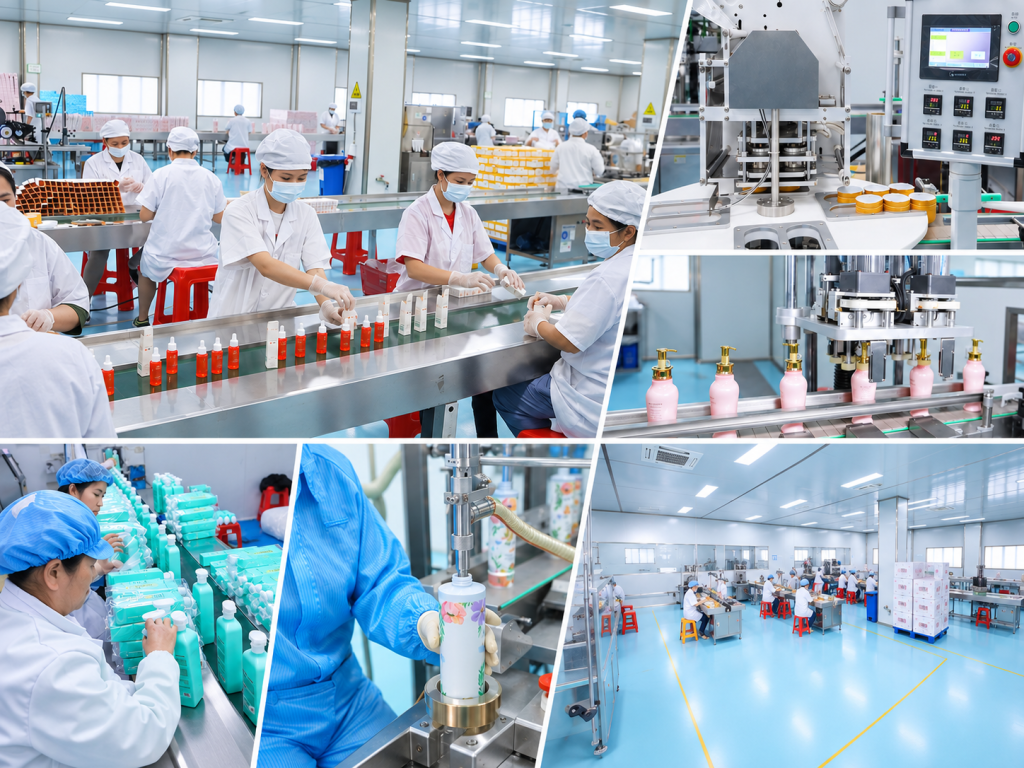
A reliable hair care quality control system should be supported by clear documentation.
Depending on the product, destination market, and manufacturing agreement, brands may request:
- Certificate of Analysis (COA)
- Raw material specifications
- SDS/MSDS where applicable
- Finished product testing reports
- Microbial testing results
- Stability testing information
- Packaging inspection records
- Product specifications
- Batch-related quality records
- Relevant manufacturing certifications
The exact documentation should be agreed upon before production because regulatory and customer requirements can vary between markets.
LocRoyal states that it can provide quality documents including MSDS, COA, and testing reports. Its published quality information also states that its manufacturing system follows ISO and GMPC standards.
For brands, documentation provides more than paperwork. It creates a record showing what was produced, how it was checked, and whether it met the agreed requirements.
Build Quality Into Production From the Start
The best time to identify a quality problem is before thousands of units have been produced.
A complete hair care quality testing program should follow the product from raw material inspection through formula control, pH and viscosity testing, microbial testing, stability testing, packaging compatibility testing, filling, and final inspection.
For brands, the goal is not simply to perform as many tests as possible. The goal is to establish the right specifications and quality controls for the specific product.
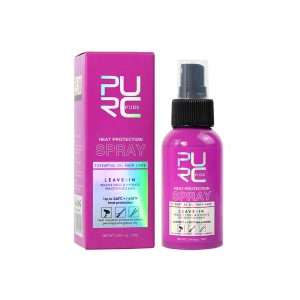
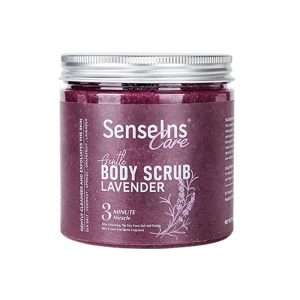
Foshan BonnieCo Biotechnology Co., Ltd. (BonnieCo Group) describes itself as a beauty manufacturing group with three core business divisions: Guangzhou LocRoyal Cosmetics Co., Ltd., providing hair care OEM and self-owned brands including PROINSCARE and PURC; Guangzhou BonnieCo Cosmetics Co., Ltd., providing skin care and color cosmetics OEM and self-owned brands including SenseInsCare and Jellyprim; and a 50,000㎡ self-owned production base in Foshan.
For brands seeking integrated hair care manufacturing capabilities, working with a manufacturer that can connect formulation, testing, production, packaging, and quality management can simplify the process.
Ultimately, hair care quality control is about consistency and risk management. When brands define testing requirements and documentation before mass production, they can make better manufacturing decisions and build a stronger foundation for long-term product quality.
Frequently Asked Questions
1. What is hair care quality control?
Hair care quality control involves checking raw materials, formulas, manufacturing processes, packaging, and finished products against approved specifications.
2. Why is hair care quality testing important?
Hair care quality testing helps confirm that a product meets its defined quality requirements before it reaches customers.
3. What is raw material inspection?
Raw material inspection checks incoming ingredients against approved specifications before they are released for production.
4. What does microbial testing check?
Microbial testing checks applicable materials or products for microbial contamination. Testing requirements depend on the product and market.
5. Why is stability testing needed?
Stability testing helps evaluate how a product changes under defined conditions over time and supports decisions about product stability and shelf life.
6. What is packaging compatibility testing?
Packaging compatibility testing checks whether the formula and packaging work properly together during storage and use.
7. What is finished product testing?
Finished product testing checks the completed product against its approved specifications before batch release.
8. Does LocRoyal provide cosmetic quality control?
Yes. LocRoyal describes quality controls covering raw materials, production, filling, packaging, and finished product testing.
9. Does LocRoyal offer hair care OEM manufacturing?
Yes. LocRoyal provides hair care OEM/ODM manufacturing services, including customized hair care product development and production.
10. What quality documents can brands request?
Depending on the project, brands can request documents such as COAs, SDS/MSDS, product specifications, testing reports, and relevant manufacturing certifications.