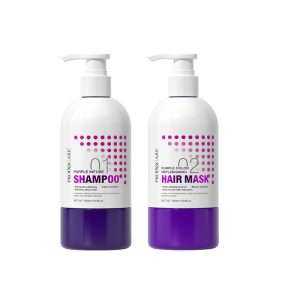
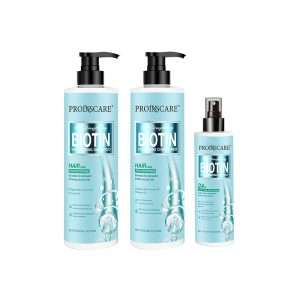
The hair care production process covers every major stage required to turn a product concept into a finished, market-ready hair care product. It may include formula preparation, raw material inspection, weighing, mixing, emulsification, in-process checks, filling, labeling, packaging, final inspection, warehousing and delivery.
For beauty brands developing shampoo, conditioner, hair masks, hair oils or styling products, understanding the hair care production process can help clarify how products move from formulation into commercial-scale production. It also gives brands a clearer view of how manufacturing, quality control and packaging are coordinated before finished goods are released for shipment.
In this guide, we explain the main stages of hair care production and what brands should understand when working with an OEM, ODM or private label manufacturer.
For a closer look at LocRoyal’s actual factory workflow, visit our Hair Care Manufacturing Process page.

1. Product Brief & Formula Confirmation
Every hair care production process starts with a clear product concept. The brand and manufacturer first need to agree on what the product should achieve, who it is designed for, and what type of texture, fragrance, appearance, and packaging it should have.
For example, a brand may want a moisturizing shampoo, repairing hair mask, smoothing conditioner, or lightweight hair oil.
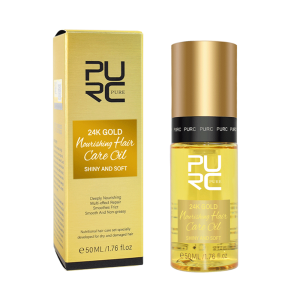
LocRoyal states that its OEM/ODM and private label services can support customized formulation, fragrance, texture, packaging, and labels. Its product range includes shampoo, conditioner, hair masks, hair oils, styling products, and keratin treatments.
This stage is also the foundation of the private label production process. Once the formula and product specifications are approved, the manufacturer can prepare the materials and production plan.
2. Raw Material Inspection
What goes into the product matters just as much as how it is manufactured. Raw material inspection is therefore an important part of the cosmetic manufacturing process.
Depending on the formula, materials may include surfactants, oils, conditioning ingredients, botanical ingredients, preservatives, fragrances, colors, and other functional ingredients.
LocRoyal’s published production workflow includes raw material and packaging-material warehousing before manufacturing. The company also states that quality management covers quality checks from raw material selection through finished-product packaging.
For a shampoo manufacturing process, consistent raw materials are especially important because changes in ingredients can affect the final product’s appearance, texture, and other specifications.
After materials pass the manufacturer’s required checks, they can move into production.
3. Formula Preparation
The next step in the hair care production process is preparing the approved formula for manufacturing.
Raw materials are measured according to the production formula and specifications. Accurate measurement is important because even changes in ingredient quantities can affect the final product.
LocRoyal’s published manufacturing process includes raw material measurement before emulsification. Its website also describes an R&D and formulation team supporting customized hair care development.
For private label brands, this stage helps turn a laboratory or approved sample into a repeatable commercial manufacturing procedure.
But how are all these prepared ingredients turned into a uniform product? That happens during mixing and emulsification.
4. Emulsification & Mixing
Mixing and emulsification are key stages in many types of hair care manufacturing processes. The exact method depends on the product and formula.
A shampoo, conditioner, hair mask, and hair oil may require different production methods. Some formulas contain different phases that need to be combined under controlled conditions.
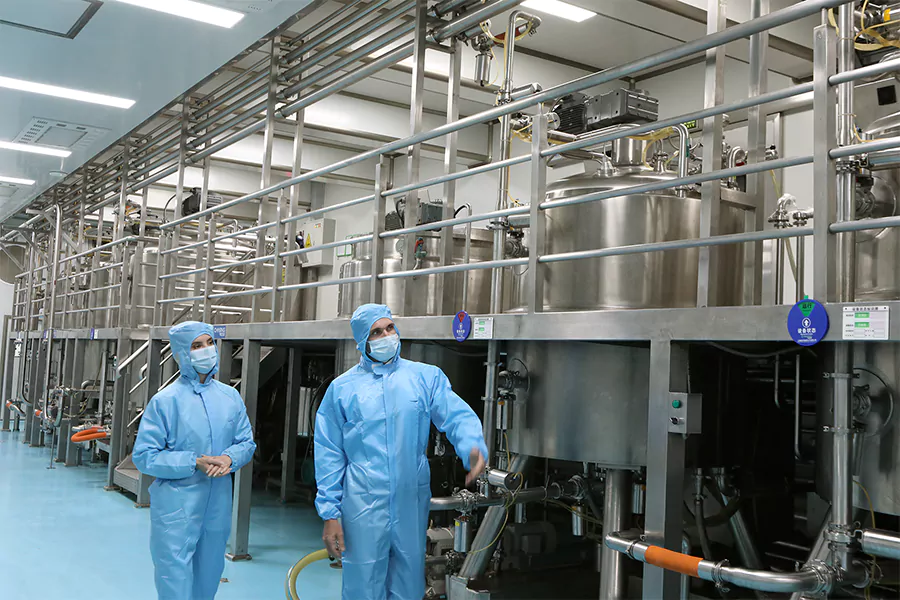
LocRoyal’s published production workflow includes emulsification and highlights automated manufacturing equipment and dedicated production lines at its Foshan facility.
In a shampoo manufacturing process, controlled mixing helps create the intended product structure and consistency. For other products, the manufacturing method is adjusted according to the approved formula.
Once the bulk product has been produced, quality control checks help determine whether it is ready for the next stage.
5. In-Process Quality Control
Quality should not be checked only after everything has been manufactured. It is built into the hair care production process through different inspection points.
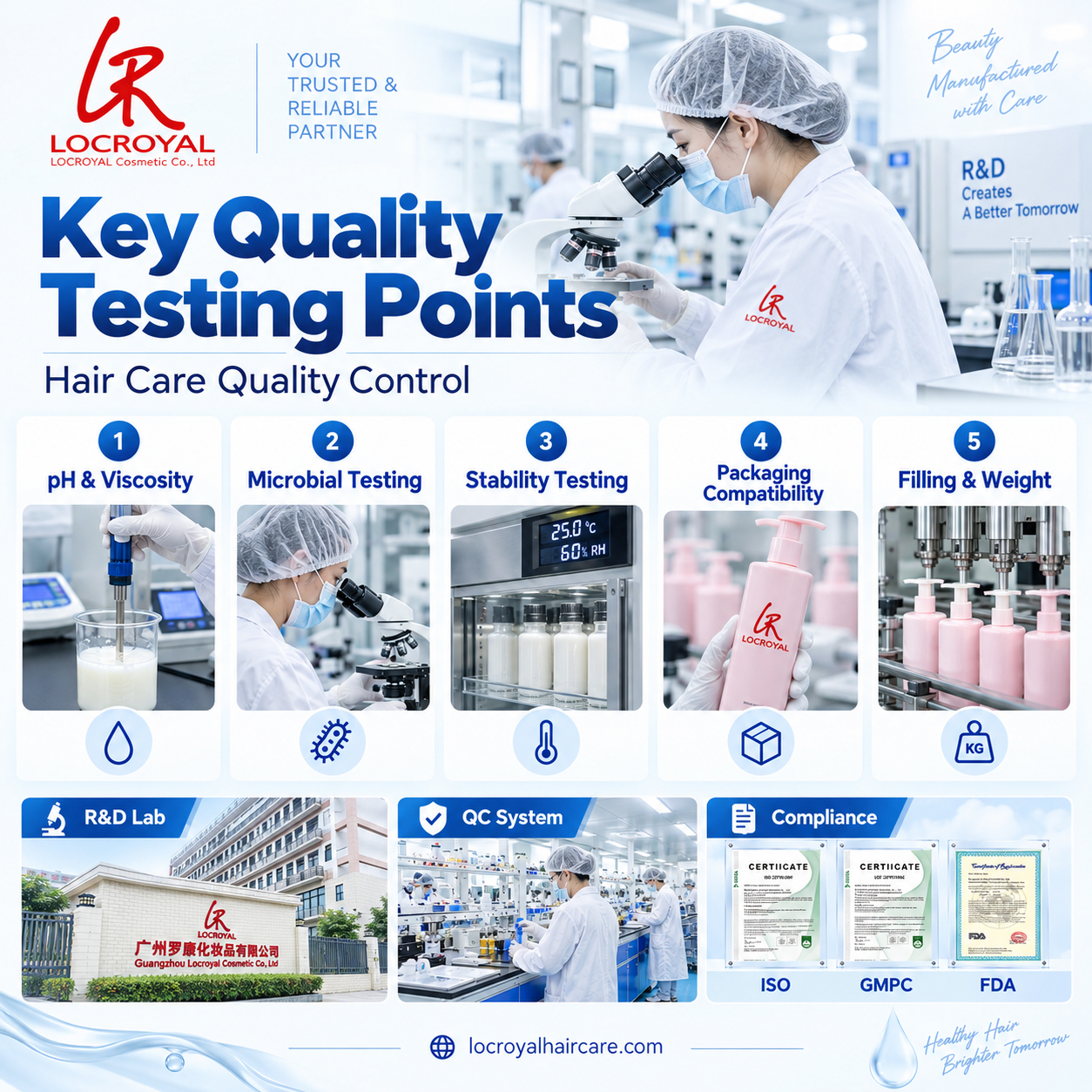
LocRoyal states that its quality control system covers stages from raw material inspection and formula preparation through filling, packaging, and finished-product testing. Its published workflow also includes semi-finished product inspection and microbiological inspection.
The exact checks depend on the product and agreed specifications. For example, a shampoo may require different evaluations from a hair oil or styling product.
These checks help manufacturers identify potential problems before products reach the filling and packaging stage.
When the bulk product meets the required specifications, it can move to filling.
6. Filling
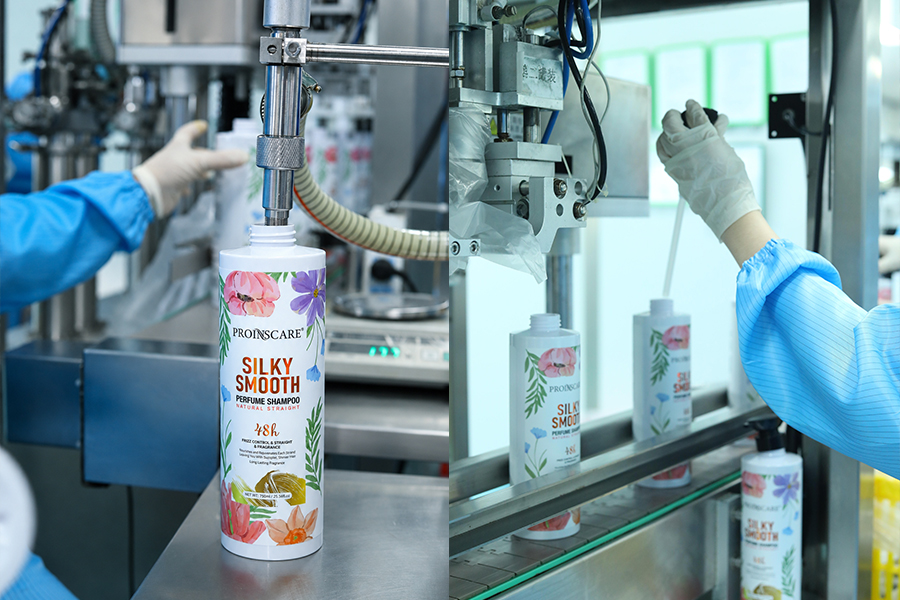
Filling is where the finished bulk product is transferred into its primary container. It is an important part of the filling and packaging process.
The filling equipment needs to match the product and packaging format. Bottles, jars, tubes, pumps, and other containers may require different production setups.
LocRoyal identifies filling as part of its manufacturing workflow and shows automated shampoo and hair mask filling lines among its production equipment. The company states that its factory has multiple filling, capping, labeling, and packaging lines.
A well-organized hair care production line helps connect bulk manufacturing with the final packaged product.
After filling, the containers move into packaging and labeling.
7. Packaging & Labeling
Packaging gives the product its final commercial appearance, but it also serves important practical purposes. The filling and packaging process may include filling, capping, labeling, batch-number printing, sealing, boxing, and other operations depending on the product.
LocRoyal’s published production workflow includes filling, cap locking, batch-number printing, box sealing, film wrapping, boxing, and packing.
For private label brands, packaging is also where the manufacturer’s production process connects with the brand’s identity. LocRoyal states that its OEM/ODM services support packaging customization and that its design team can assist with packaging and product visuals.
Once packaging is complete, the products still need final quality checks.
8. Finished Product Testing
Finished-product testing is another important checkpoint in the cosmetic manufacturing process.
The tests required depend on the product, formula, target market, packaging, and applicable requirements. Depending on the project, testing may cover relevant physical, chemical, microbiological, stability, or other product characteristics.
LocRoyal states that its quality system includes finished-product testing and that its manufacturing workflow includes microbiological inspection and final inspection.
For a shampoo manufacturing process, final checks help confirm that the completed product meets the agreed specifications before release. Similar principles apply to conditioners, masks, oils, and styling products.
Only after the required checks are completed can finished goods proceed toward storage and shipment.
9. Packing & Warehousing
Once products pass final inspection, they are prepared for storage and delivery.
Warehousing is an important part of the hair care production process because finished products need to be organized and managed before shipment. Production planning also needs to connect manufacturing quantities with customer orders.
LocRoyal’s published manufacturing workflow includes final inspection, packing, and storage. Its Foshan manufacturing facility is presented as supporting large-scale hair care production for international customers.
For brands using a private label production process, proper packing and warehousing help ensure that finished products are ready for the next stage of the supply chain. That brings us to the final step: shipment.
10. Shipment
Shipment completes the hair care production process.
After production, inspection, packaging, and warehousing are completed, finished products can be prepared for delivery according to the customer’s order and shipping arrangements.
For international brands, shipment is the link between factory production and the wider supply chain. This is why many brands prefer manufacturers that can support multiple stages of a project instead of handling production alone.
LocRoyal states that it provides OEM/ODM and private label hair care solutions for global brands, supporting projects from product development and formulation through production and market launch.
From Formula to Finished Product
The hair care production process connects product planning, formulation, raw material preparation, commercial production, quality checks, filling, packaging, warehousing and delivery into one coordinated workflow. Each stage plays an important role in turning an approved product concept into consistent, market-ready finished goods.
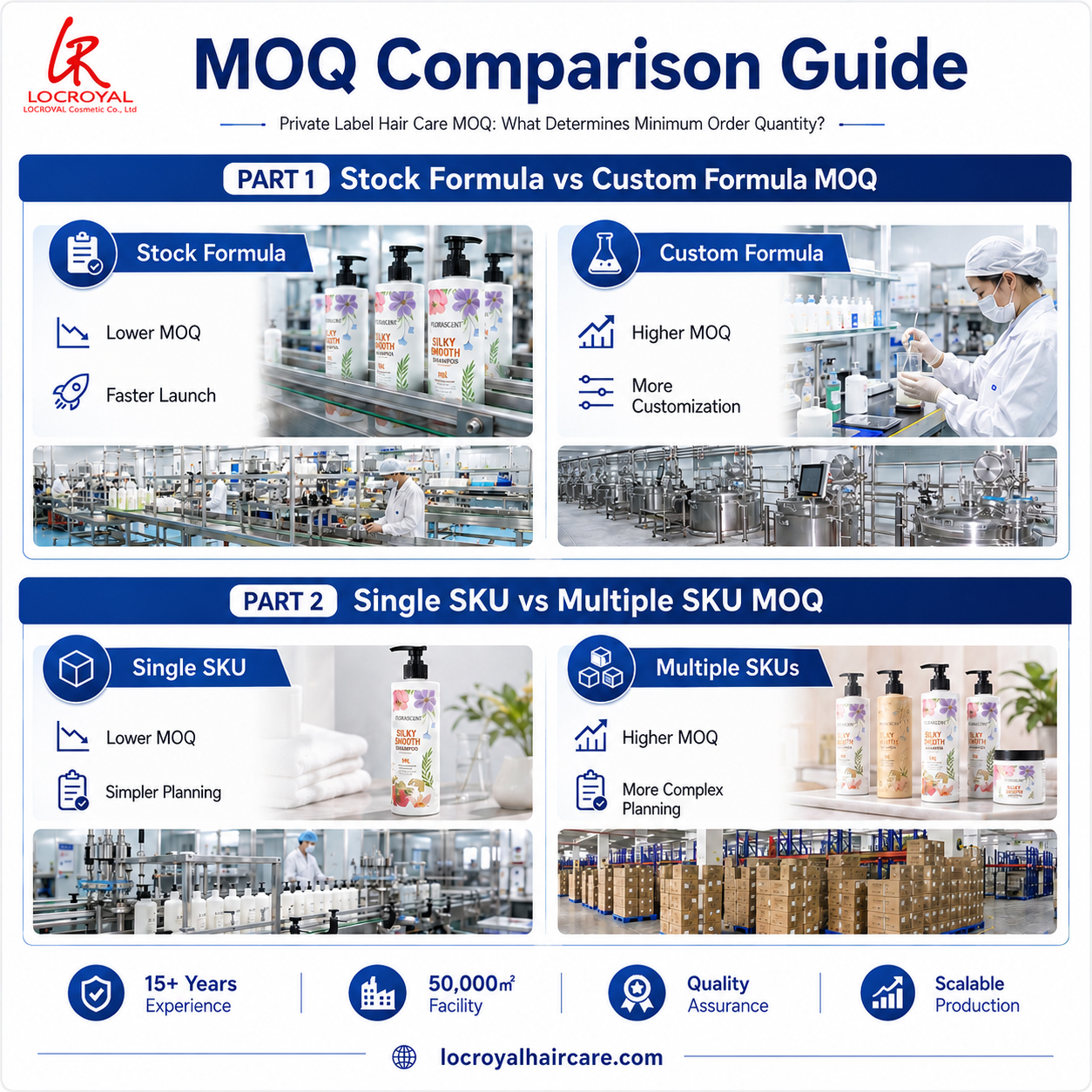
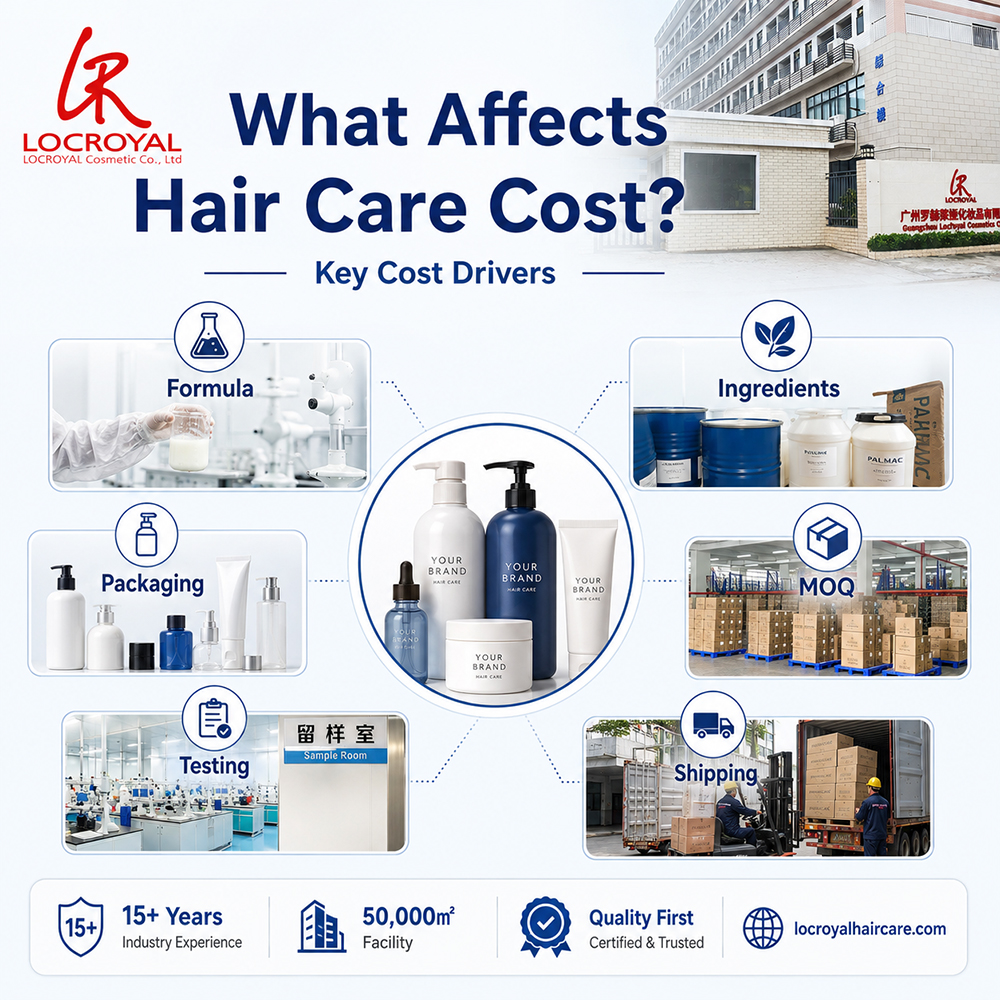
For beauty brands, understanding these production stages makes it easier to prepare product requirements, evaluate manufacturing capabilities and communicate effectively with suppliers. Formula complexity, packaging format, product type and order requirements can all influence how a production project is organized.
Choosing the right private label hair care manufacturer can help brands connect formulation, customization, production, quality control and scalable supply within one reliable manufacturing system. LocRoyal supports global beauty brands with private label and OEM/ODM hair care solutions from product development through commercial production.
Frequently Asked Questions
1. What is the hair care production process?
The hair care production process includes product planning, formula confirmation, raw material inspection, preparation, mixing or emulsification, quality control, filling, packaging, testing, warehousing and shipment.
2. What is involved in a shampoo manufacturing process?
A shampoo manufacturing process can include formula development, raw material preparation, measurement, mixing, quality inspection, filling, packaging, and finished-product testing.
3. What is a cosmetic manufacturing process?
A cosmetic manufacturing process is the organized process used to develop, manufacture, inspect, package, and release cosmetic products.
4. What is the filling and packaging process?
The filling and packaging process transfers the finished product into containers and may include filling, capping, labeling, batch printing, boxing, sealing, and packing.
5. What is a hair care production line?
A hair care production line consists of the equipment and manufacturing operations used to produce hair care products at commercial scale.
6. How does the private label production process work?
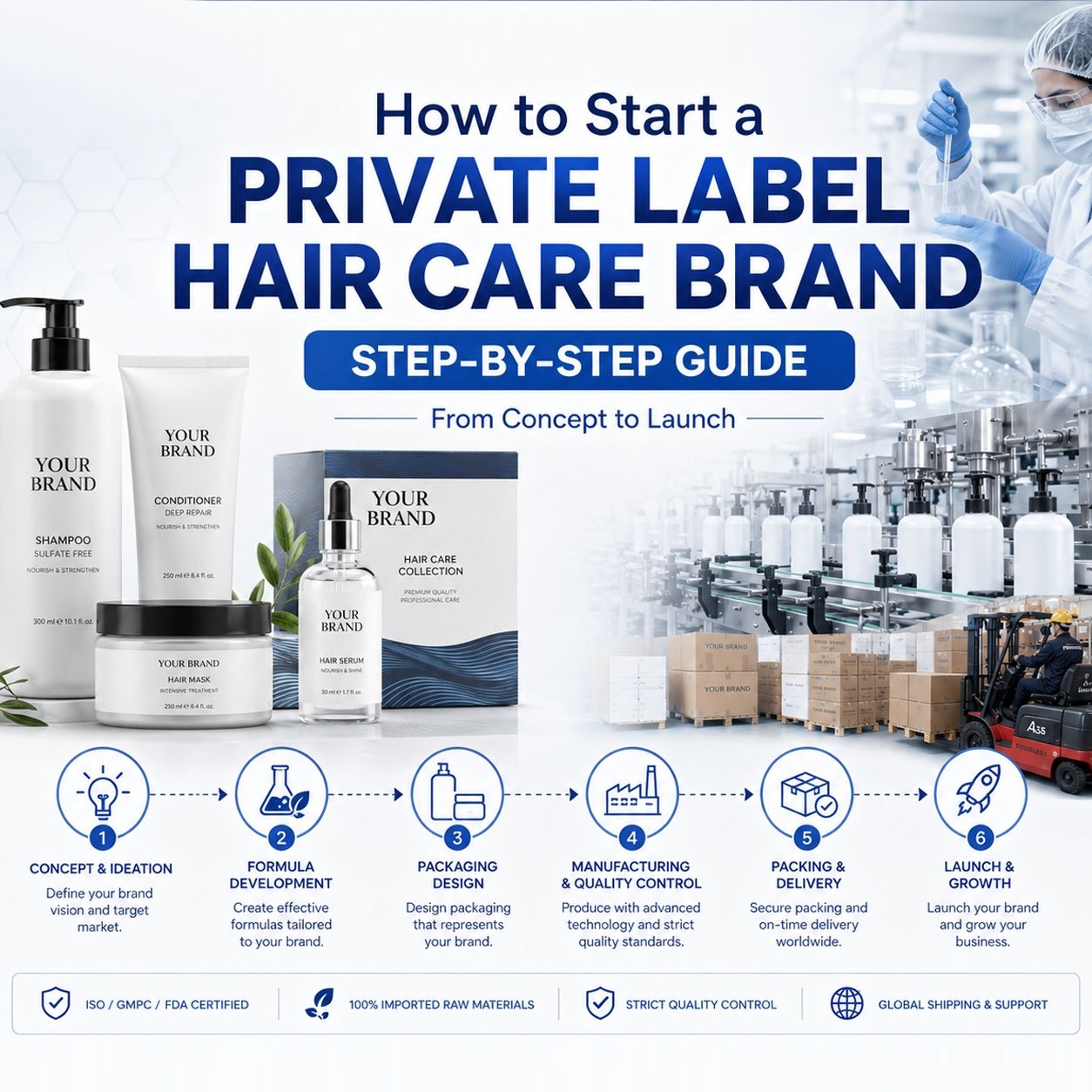
The private label production process generally moves from product concept and formulation to manufacturing, quality control, packaging, testing, and delivery.
7. Can LocRoyal manufacture customized hair care products?
Yes. LocRoyal states that it provides OEM/ODM and private label services for products such as shampoo, conditioner, hair masks, hair oils, styling products, and keratin treatments.
8. Does LocRoyal provide packaging services?
Yes. LocRoyal states that its services include packaging customization and support for private label product development.
9. Why choose a professional hair care manufacturer?
A professional hair care manufacturer can coordinate formulation, production, quality control, filling, packaging, and delivery, giving brands a more complete manufacturing solution.