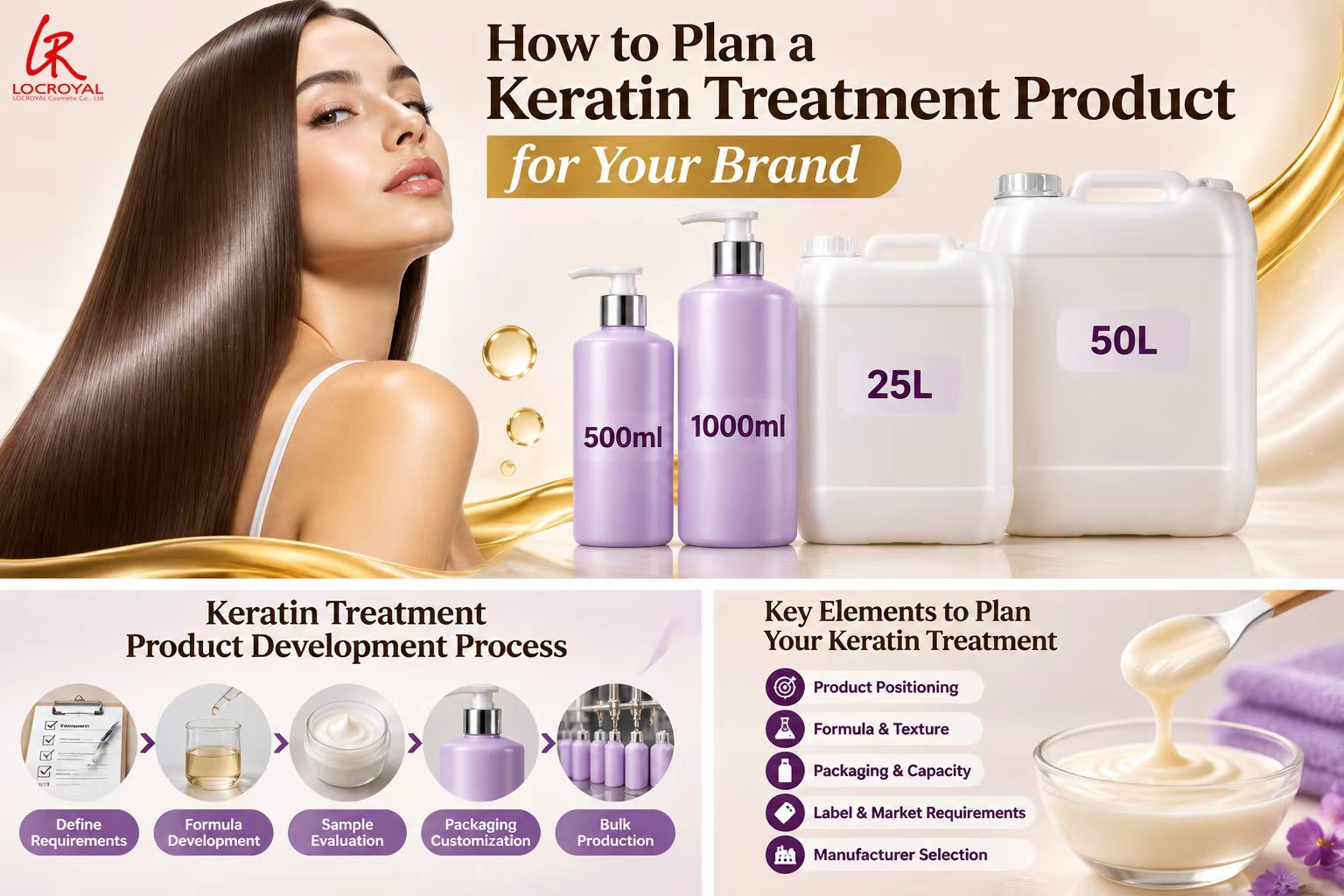
Developing a keratin treatment product involves more than choosing a formula and adding your logo. Brands also need to consider their target customers, product positioning, packaging, labeling, and manufacturing partner.
A clear plan helps reduce development delays, control costs, and create a product that fits your market. Whether you operate a salon, manage a hair care brand, or distribute beauty products, understanding the process can make your project easier to manage.
This guide covers the key steps of keratin treatment product development, from defining your product concept to choosing an OEM/ODM manufacturer.
1. Define Your Target Market and Customer Group
Before discussing formulas or packaging, identify who will buy and use your product. Different customer groups have different expectations for product features, pricing, packaging, and sales channels.
Professional Hair Salons
Professional salons may need keratin treatments designed for trained stylists and salon routines. They often consider application methods, product capacity, clear instructions, and consistent quality. Decide whether your product will be used during salon services or sold to clients for home care. These purposes may require different product formats and instructions.
Hair Care Brands
Hair care brands should develop products that match their existing range and brand identity. Consider your target customers, price level, preferred ingredients, fragrance, and packaging style. A professional brand may choose a salon-oriented product concept, while a consumer brand may prefer a format designed for home use.
Distributors and Wholesale Buyers
Distributors and wholesale buyers often focus on competitive pricing, supply capacity, packaging consistency, and product documentation. If you plan to sell through salons, retailers, and online stores, consider whether one product format can serve all channels or whether different sizes are needed.
2. Determine Your Product Positioning
Once you understand your customers, define the purpose of your product. Clear positioning helps your manufacturer understand your expectations and gives your marketing team a consistent direction.
Define the Intended Product Use
Decide whether you want a professional salon treatment, a smoothing treatment, a conditioning treatment, or a product for a home hair care routine. Different uses may require different formulas, textures, packaging, and application instructions. Be specific about the intended use before requesting a formulation proposal.
Establish Your Product Concept
Create a simple concept that explains what your product should offer. You might focus on hair smoothness, conditioning, manageability, or a particular hair care routine.
Consider your target hair types, preferred fragrance, product texture, and expected price range. Avoid unsupported claims about permanent straightening or specific treatment results. Product claims should be supported by suitable evidence and comply with the rules in your target market.
Identify Your Brand’s Product Requirements
Your product should reflect your brand’s identity. List your preferred ingredients, fragrance direction, texture, color, and packaging style.
These details provide a useful starting point for custom keratin treatment development and help the factory understand what you want to achieve.
3. Prepare Your Product Development Brief
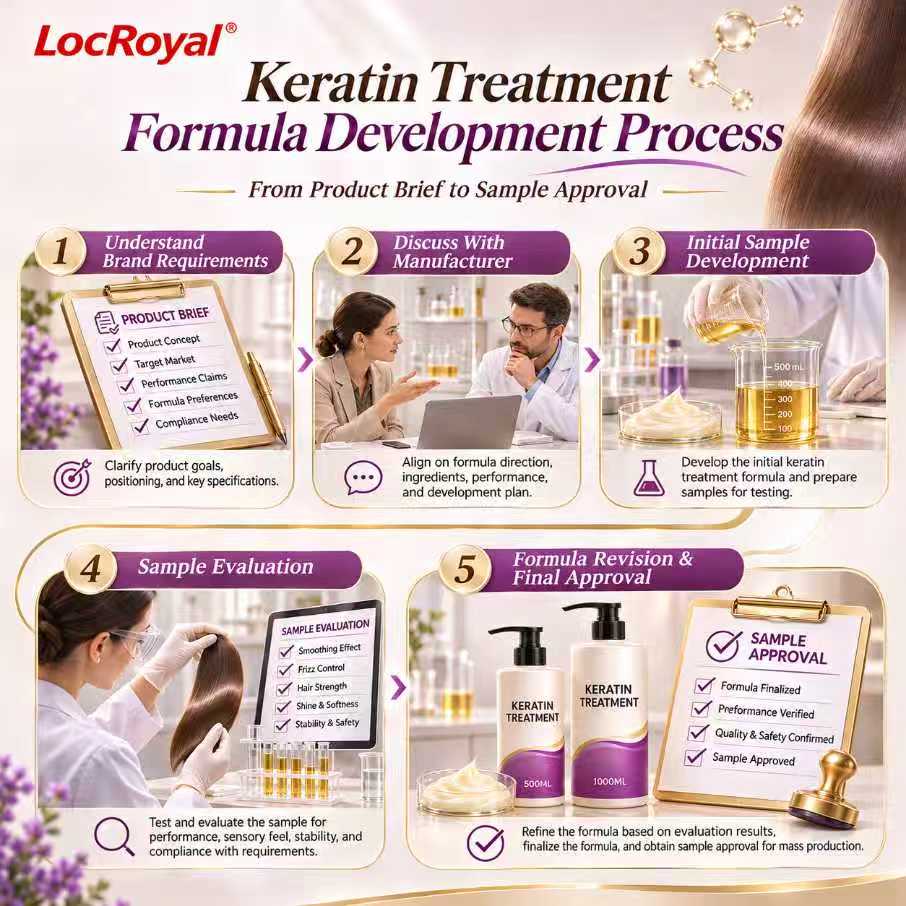
A product development brief explains your requirements to an OEM/ODM factory. Preparing one before the first discussion can save time and reduce misunderstandings.
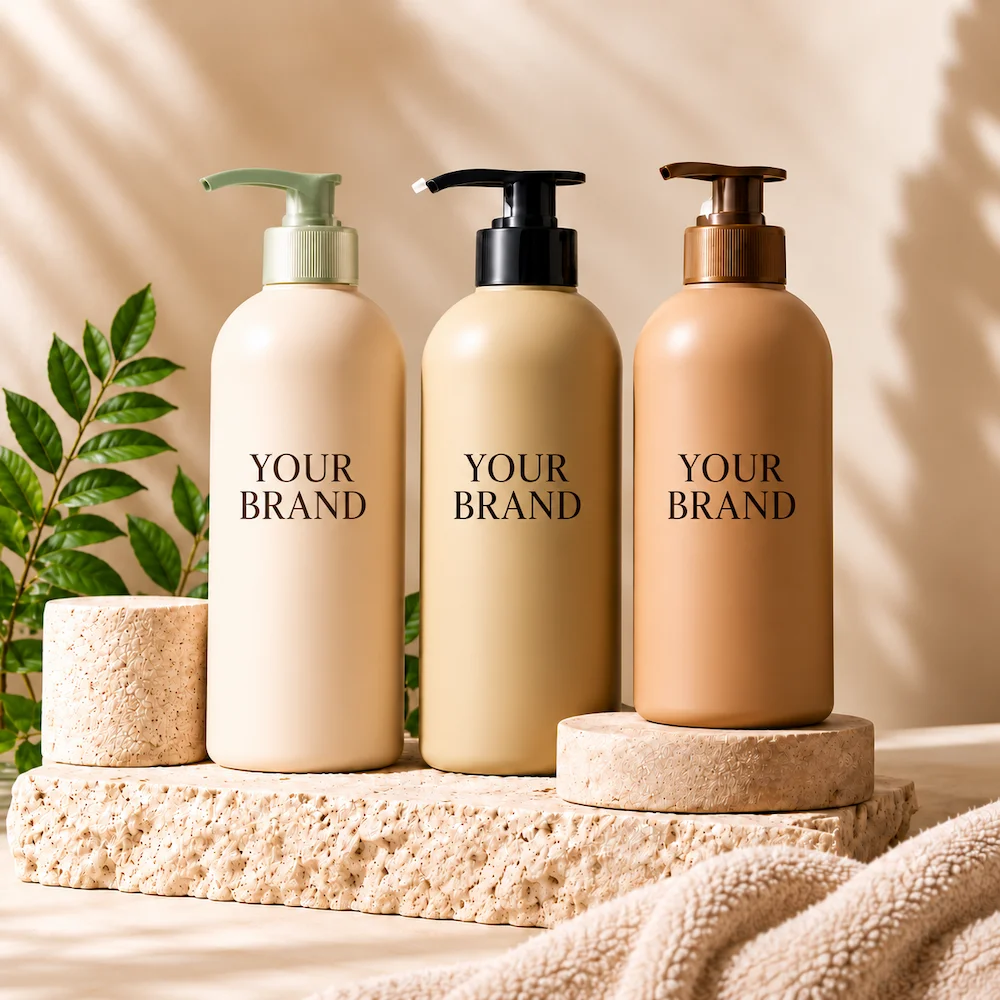
Product Specifications
Include the following information:
- Product type and intended use
- Target customers and hair types
- Professional or home-use positioning
- Desired product features
- Target selling price or estimated product cost
- Target markets and sales channels
If you have a reference product, share its name or photos and explain which features you like.
Formula and Texture Preferences
Describe your preferred texture, such as a rich cream, smooth treatment, or easy-to-spread formula. You can also list ingredients you want the manufacturer to consider or avoid. The factory can review your requirements and discuss suitable formulation options and testing needs.
Fragrance Requirements
Choose a fragrance direction that suits your brand, such as fresh, floral, fruity, or neutral. If you have fragrance restrictions, include them in your brief.
Target Capacity and Packaging Preferences
Estimate the product capacity you want to sell. Larger containers may suit professional salons, while smaller sizes may work for retail or trial products. Record your preferred bottle type, closure, label, and outer packaging. These details help make keratin treatment product development more organized.
4. Choose the Right Packaging for Your Brand
Packaging affects product protection, ease of use, transportation, and brand presentation. It should suit the formula and intended application, not just look attractive.
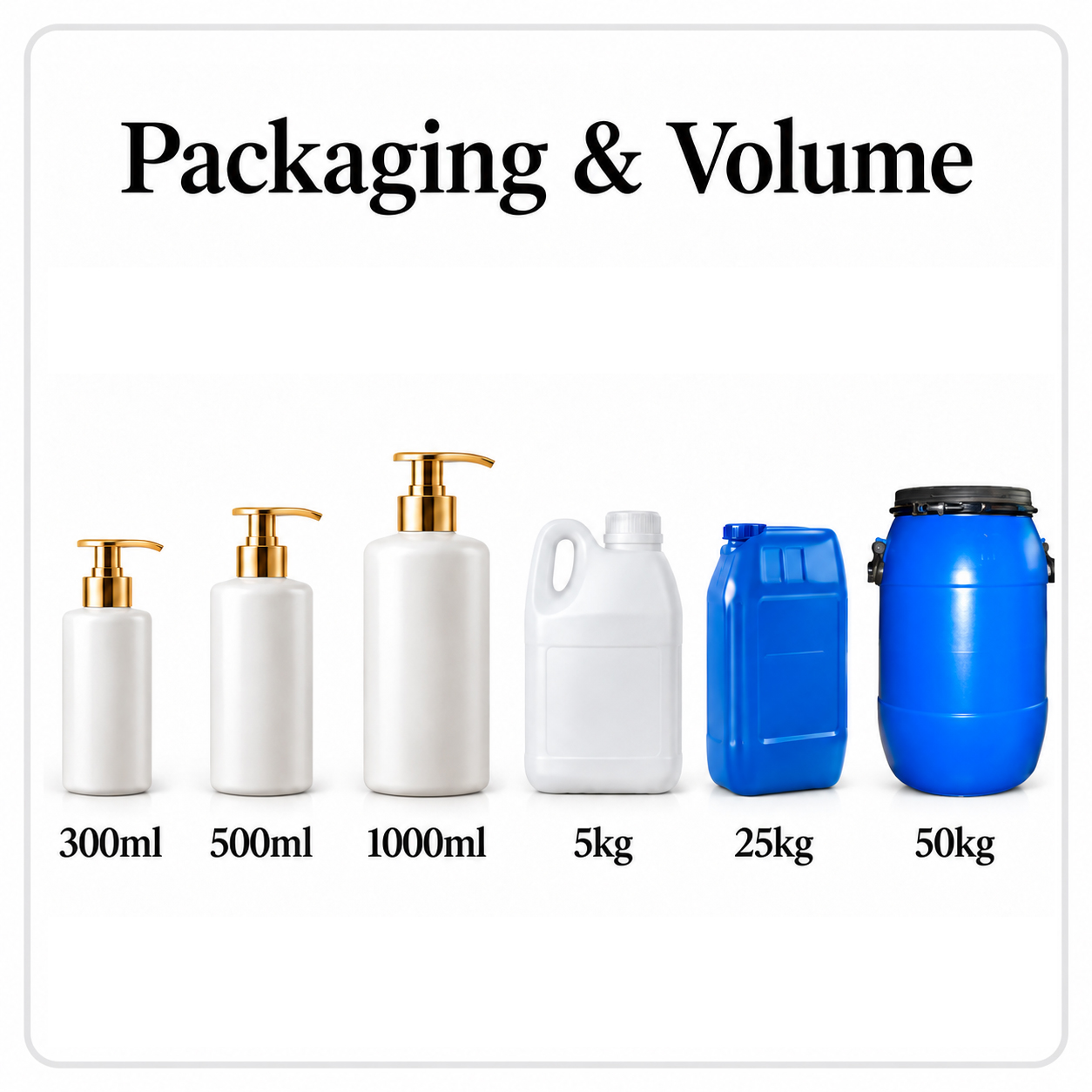
Bottle Shape and Capacity
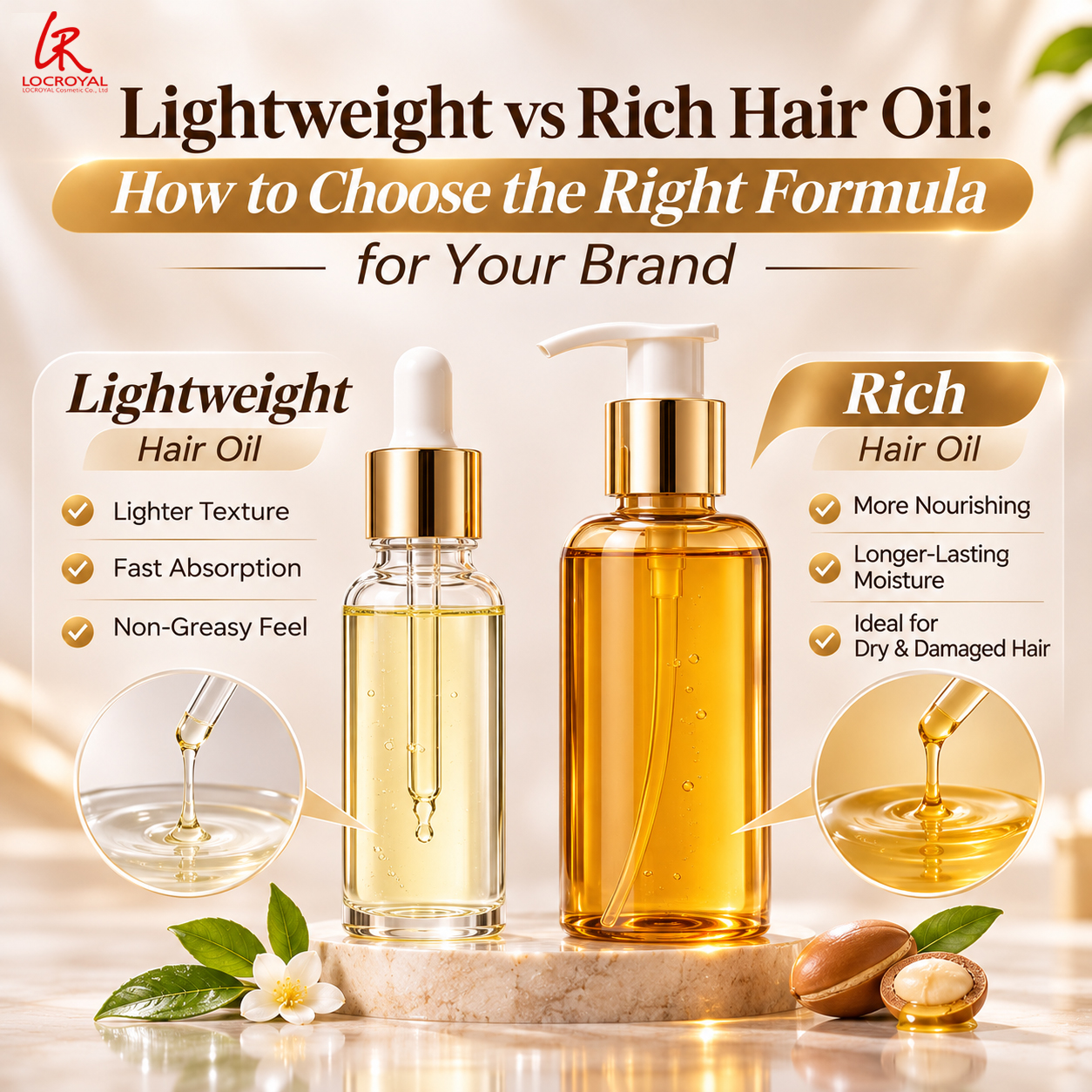
Common options include bottles, squeeze containers, and other suitable formats. The right choice depends on product viscosity, dispensing needs, and how much customers use each time. Consider larger capacities for professional use and smaller options for retail or sampling. Confirm that the selected container is suitable for the formula.
Cap and Dispensing Design
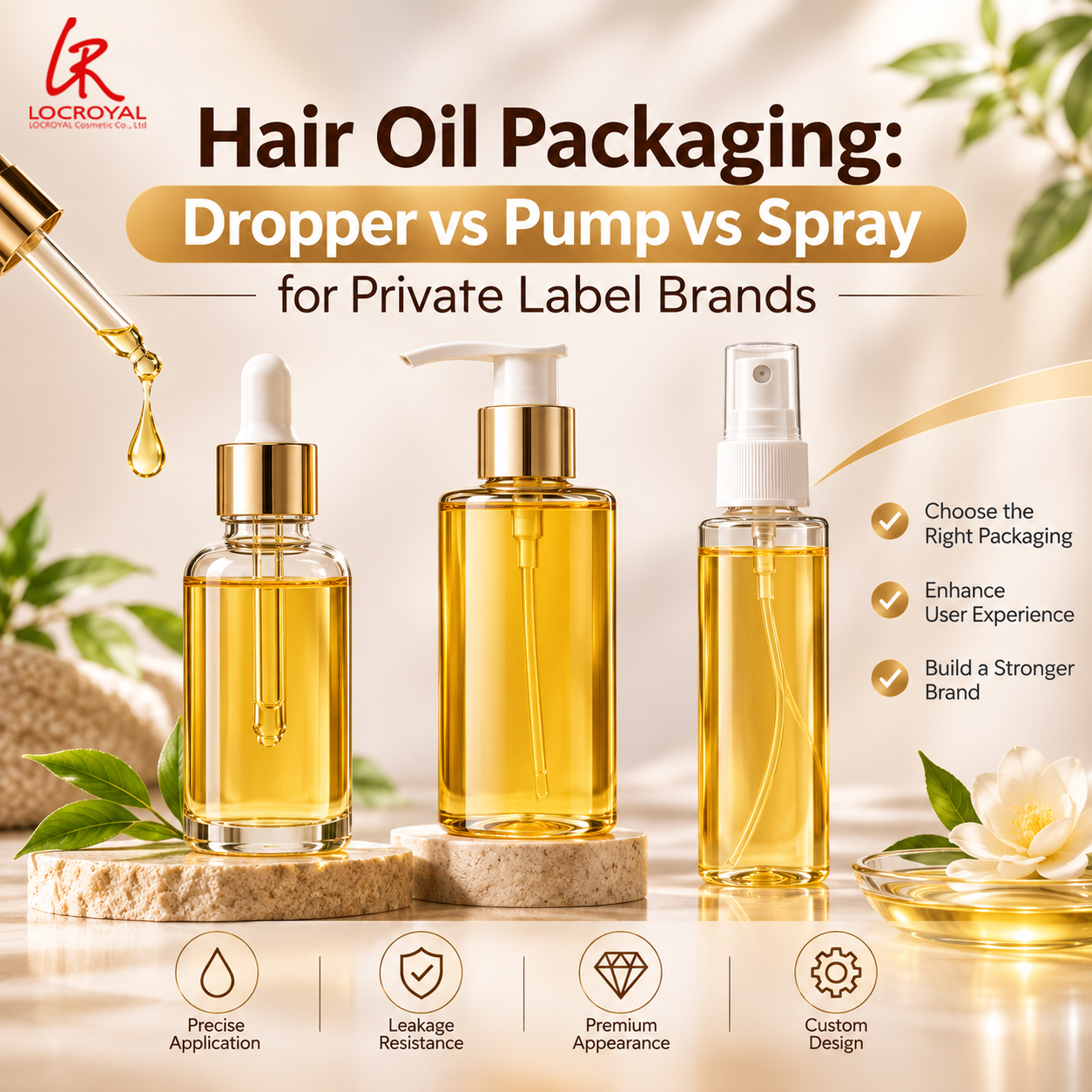
Think about how customers will dispense the treatment. Flip-top caps, pumps, and other closures may suit different product textures and application methods. Check that the closure is easy to use and helps prevent leakage during storage and shipping.
Label and Logo Customization
Packaging customization may include bottle color, printed logos, adhesive labels, surface decoration, and outer cartons. Keep the design consistent with your brand identity. Leave enough label space for the required product information in your target markets.
Packaging Compatibility
A container that looks suitable may not work well with every formula. Before bulk production, check for leakage, dispensing problems, label adhesion, and possible changes to the container or formula. These compatibility checks help identify packaging issues before the product reaches customers.
5. Consider Product Labeling and Market Requirements
Product labels provide essential information about ingredients, use, and safety. Requirements vary by country, so identify your target markets before preparing final artwork.
Ingredient Declaration
Prepare an accurate ingredient list based on the final approved formula. Ingredient names and declaration formats may differ between markets.
For example, the US Food and Drug Administration provides specific cosmetic labeling guidance, including requirements for ingredient declarations. Confirm the final ingredient information with your manufacturer and the regulatory specialist responsible for your target market.
Product Instructions and Warnings
Instructions should explain how the product is intended to be used. Depending on the formula, this may include application steps, processing time, rinsing directions, storage information, and precautions.
Do not copy instructions from another brand. Different formulas may require different directions and warnings.
Market-Specific Labeling Requirements
Check the regulations for every country where you plan to sell. Requirements may cover product identity, ingredient lists, responsible company details, net contents, warnings, and language.
Confirm the final label before printing or starting bulk production.
6. How to Choose a Keratin Treatment Manufacturer
Your manufacturing partner can influence formula development, packaging quality, production planning, and product consistency. Compare more than just the quotation price when choosing a keratin treatment manufacturer.
Formula Development Capabilities
Ask whether the factory offers existing formulas, customized formulation, or both. Discuss your preferred texture, fragrance, ingredients, and intended product use. A suitable manufacturer should explain available options, technical limitations, and any testing requirements.
Sample Development and Evaluation
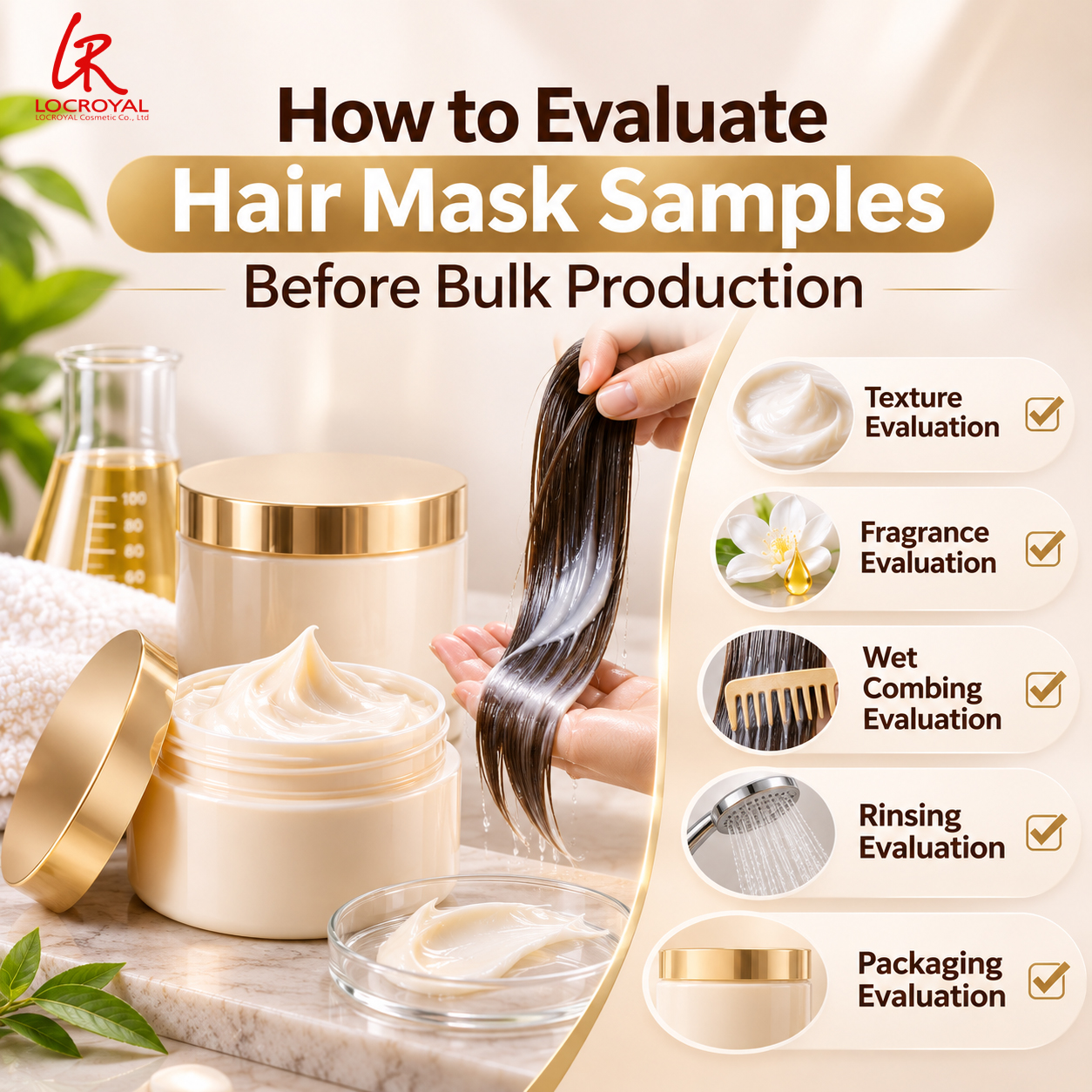
Request samples before approving bulk production. Evaluate the texture, fragrance, color, application experience, and packaging. Give clear feedback. For example, explain whether the product feels too thick, the fragrance is too strong, or the packaging is difficult to use. Keep a record of the approved sample and specifications.
Packaging Customization
Ask which packaging options are available, including bottle shapes, capacities, caps, labels, logo printing, and outer cartons. Also confirm minimum order quantities, tooling costs, artwork requirements, and packaging lead times. These details affect your project budget and launch schedule.
Production and Quality Inspection
Understand how the factory manages raw materials, production, filling, packaging, and finished-product inspection. Ask what quality records and product documents are available for your project. Depending on the product and target market, these may include product specifications, safety data sheets, or testing reports.
7. Product Development Preparation Checklist
Before starting formal keratin treatment product development, prepare the following information:
- Target countries or regions
- Customer group: salons, consumers, distributors or wholesalers
- Product type and intended use
- Brand positioning and desired product features
- Formula, ingredient, and texture preferences
- Fragrance requirements
- Reference products or sample photos
- Packaging type, capacity and closure preferences
- Logo, brand colors and label artwork
- Estimated budget and order quantity
- Target-market labeling and documentation requirements
- Sample evaluation and approval plan
You do not need to finalize every detail immediately. However, having a clear starting brief helps the manufacturer assess your project and recommend suitable options.
Conclusion
Planning a keratin treatment product requires careful decisions about your target customers, product positioning, formula, packaging, and market requirements. Choosing an experienced manufacturing partner is equally important for managing samples, customization, and production. A clear product brief helps reduce misunderstandings and makes it easier to develop a product that reflects your brand identity and customer needs.
LocRoyal offers OEM/ODM hair care customization services for brands exploring new product opportunities.
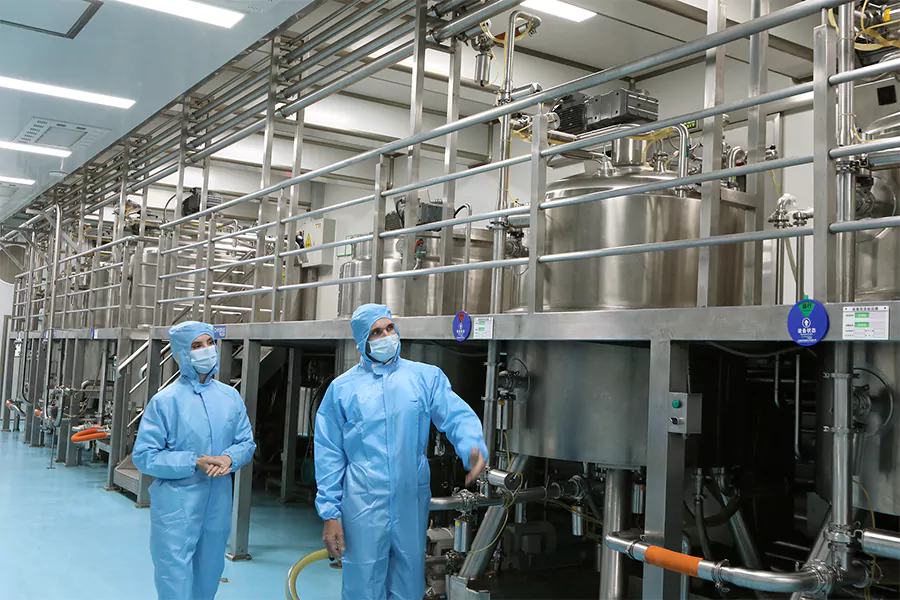
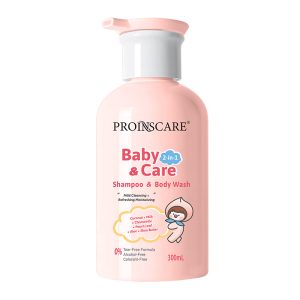
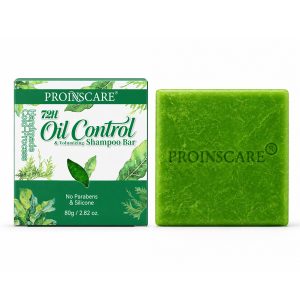
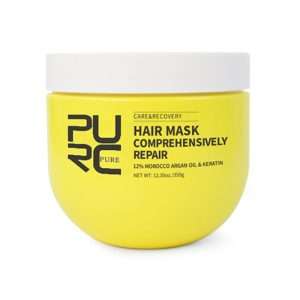
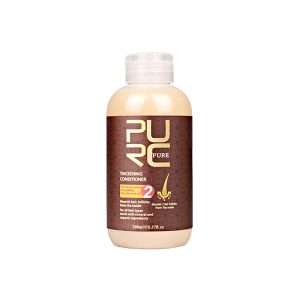
As part of Foshan BonnieCo Biotechnology Co., Ltd. (BonnieCo Group), its business structure includes Guangzhou LocRoyal Cosmetics Co., Ltd. for hair care OEM and brands such as PROINSCARE and PURC; Guangzhou BonnieCo Cosmetics Co., Ltd. for skin care and color cosmetics OEM and brands such as SenseInsCare and Jellyprim; and a 50,000㎡ self-owned production base in Foshan. The group has 15 years of smart beauty manufacturing experience.
If you are preparing a new project, explore Private Label Keratin Treatment Solutions to learn more about available customization options. Share your product concept, target market, and packaging preferences to begin your development discussion.