Introduction
Some consumers prefer a lightweight hair oil that spreads easily without weighing their hair down. Others want a richer formula that leaves their hair feeling smooth, soft, and conditioned. For beauty brands, choosing the right formula means understanding these different preferences.
Developing a successful hair oil is not simply about making it as light as possible. Brands should consider their target hair type, intended use, market preferences, and product positioning. This guide compares lightweight vs rich hair oil, covering texture, ingredients, sample evaluation, and packaging to help brands choose the right private label hair oil formula.
What Makes a Hair Oil Feel Lightweight or Rich?
The hair oil texture depends on the complete formulation rather than one individual ingredient. Viscosity, spreadability, residue, and shine all influence how a product feels during and after application.
Viscosity and Flow
Viscosity describes how easily a product flows. A lightweight oil may spread and pour easily, while a richer formula may have a thicker consistency. However, thickness does not always mean greasiness. Temperature can also affect how some oils flow, so products should be evaluated under different storage conditions.
Spreadability and Slip
Spreadability describes how easily the oil moves across hair strands. Slip refers to the smooth feeling during application. Both influence the user’s experience and should be considered when developing a lightweight hair oil formula or a richer alternative.
Greasiness and Shine
A product may leave an oily feeling if too much is applied or if its texture does not suit the user’s hair. However, shine does not automatically mean greasiness. A well-balanced non-greasy hair oil can still provide a glossy finish. The final result should always be tested on hair.
Understanding Lightweight Hair Oil Formulas
A lightweight hair oil formula is often designed for consumers who want smoothness and shine without a heavy finish. It can work well as a daily leave-in product, smoothing serum, or finishing oil.
Common Product Positioning
Brands may develop lightweight oils for everyday use, fine-hair-friendly concepts, or consumers who prefer a fluid product. These formulas should spread easily and allow users to control the amount applied.
Formulation Considerations
Developers can balance botanical oils, lightweight emollients, esters, and other conditioning ingredients to achieve the desired feel. The goal is to create a product that feels comfortable without leaving excessive residue.
A custom hair oil formulation should also consider fragrance, appearance, stability, and packaging. Brands should avoid assuming that any single ingredient guarantees fast absorption or a completely non-greasy finish. The complete formula needs practical evaluation.
Understanding Rich Hair Oil Formulas
A rich hair oil formula offers a more noticeable conditioning sensation. It may suit consumers who prefer a substantial feel, especially when caring for dry-looking or coarse-feeling hair.
Common Product Positioning
Rich hair oils can be developed as intensive-feel treatments, pre-wash oils, or smoothing products for dry lengths. Depending on the formula, they may also be suitable as leave-in products.
Balancing Richness and Residue
A richer texture should provide the intended sensory experience without becoming difficult to apply. The amount used, spreadability, and final appearance all matter. Testing with the target audience helps brands decide whether the formula feels appropriately rich or too heavy.
Lightweight vs Rich Hair Oil: Side-by-Side Comparison
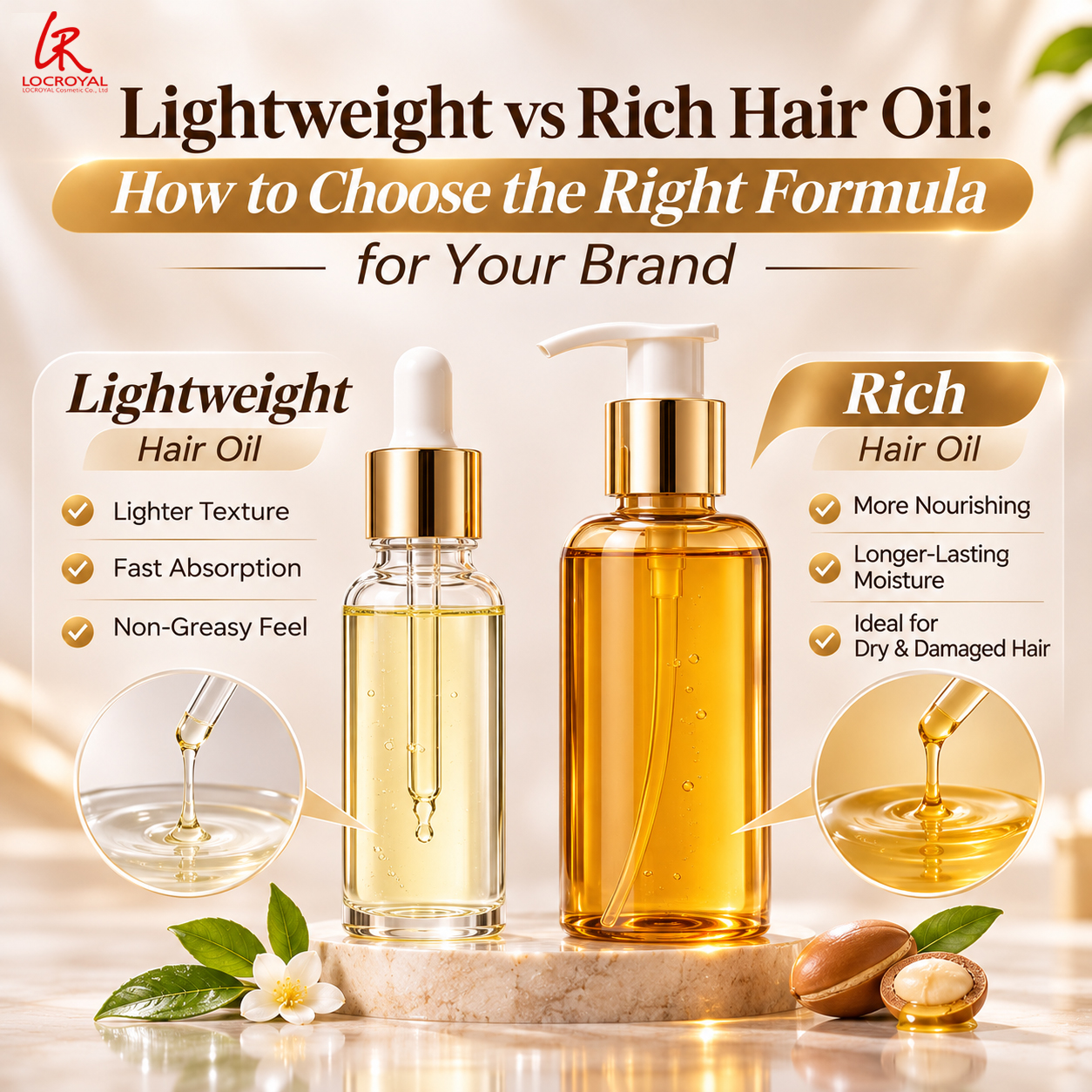
The following comparison can help brands define their product direction. It is a general positioning guide, not a strict rule for every hair type.
| Feature | Lightweight Hair Oil | Rich Hair Oil |
|---|---|---|
| Texture | Fluid and light | More substantial |
| Perceived weight | Generally lower | Potentially higher |
| Common use | Daily leave-in or finishing | Leave-in or pre-wash |
| Possible audience | Fine or easily weighed-down hair | Dry or coarse-feeling hair |
| Shine | Adjustable | Adjustable |
| Residue | Depends on formula and dosage | Depends on formula and dosage |
| Packaging | Suitable pump or dropper | Suitable pump or dropper |
Neither option is automatically better. Some brands may benefit from offering both a lightweight and rich hair oil to serve different consumer preferences.
Choosing a Hair Oil Formula for Different Hair Types
Hair type provides a useful starting point, but personal preference and styling habits also influence the best product choice.
Fine and Thin-Looking Hair
Consumers with fine hair may prefer a lightweight hair oil formula that spreads easily and does not make strands look flat when used as directed. Packaging that controls the amount dispensed can also help prevent over-application.
Dry and Frizzy Hair
A richer conditioning feel may appeal to consumers with dry or frizzy-looking hair. The formula should support a smooth appearance and manageable finish without creating unwanted residue.
Curly and Textured Hair
Some consumers with curly or textured hair prefer rich oils, while others choose lighter products. Brands should distinguish between pre-wash treatments and leave-in products because their intended use can influence the required texture.
Color-Treated Hair
Hair oils for color-treated or chemically processed hair may focus on smoothness, shine, and manageability. Any claims about color protection or damage repair should be supported by suitable testing.
Common Ingredients Used in Hair Oil Formulation
Ingredient selection influences the product’s texture, appearance, and positioning. The final experience depends on the complete blend and the proportions used.
Botanical Oils
Common options include argan oil, coconut oil, and jojoba oil. These ingredients are often used in hair oil concepts, but their presence alone does not determine whether the finished product feels light or rich.
Lightweight Emollients and Esters
Certain ester-based ingredients can help adjust spreadability and sensory feel. They may be useful when developing a non-greasy hair oil or a smooth finishing serum.
Silicone-Based Conditioning Ingredients
Some hair serum formulations use silicone-based ingredients to improve slip, smoothness, and shine. Their suitability depends on the brand’s ingredient preferences and the intended product experience.
Fragrance and Additional Ingredients
Fragrance intensity, raw material odor, color, and transparency should also be considered during custom hair oil formulation. These details help create a consistent product identity.

How to Evaluate the Greasiness and Feel of Hair Oil Samples
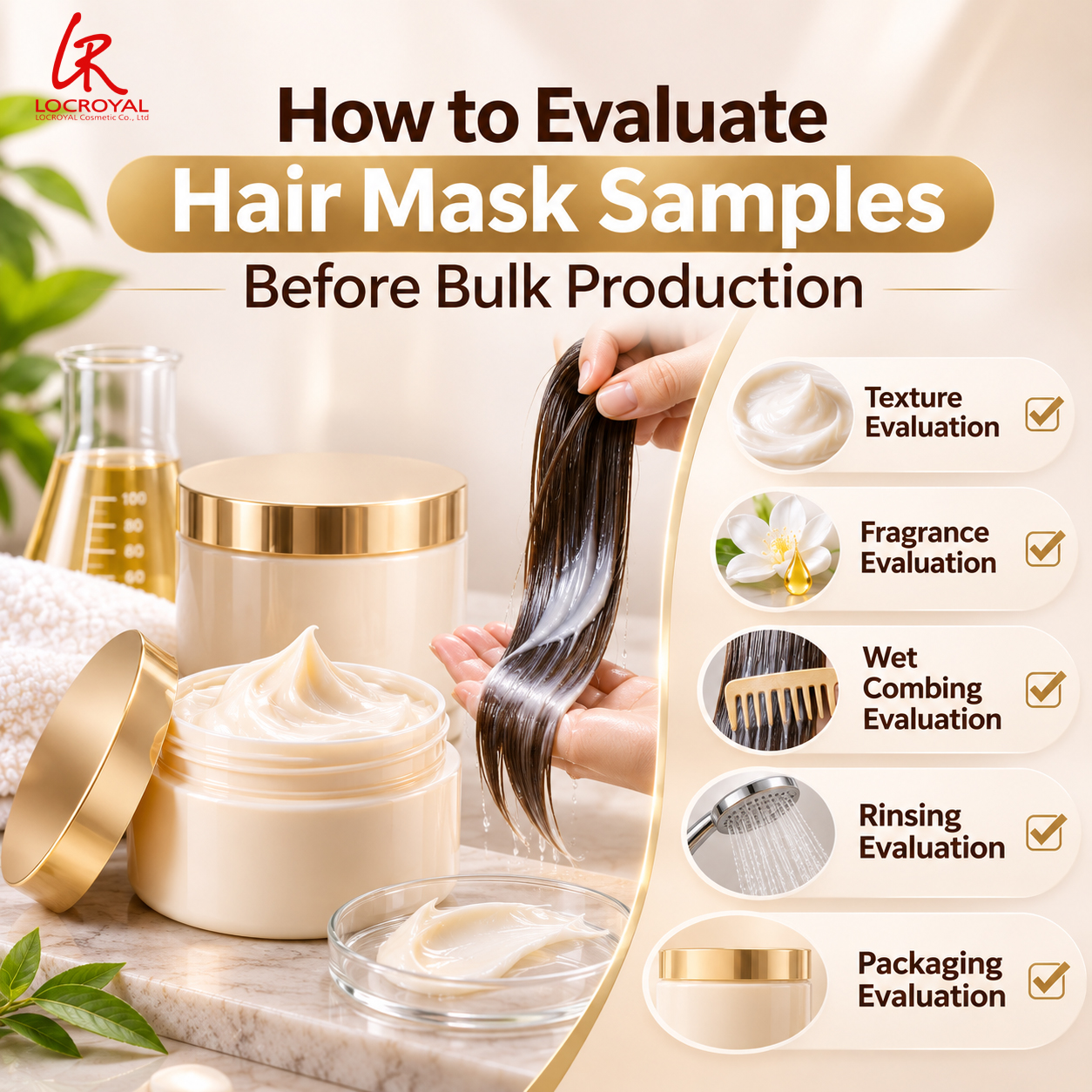
Sample testing is one of the most important steps in choosing between a lightweight and rich formula. A product should be evaluated on hair rather than judged only by its feel in the palm.
Start by checking its appearance, color, clarity, and fragrance. Look for unexpected separation or changes in uniformity. Next, assess its flow and spreadability. Does it distribute easily, or does it require extra effort?
Apply the recommended amount to the intended hair type. Observe whether the strands clump together, look flat, or appear overly oily. After application, assess softness, smoothness, shine, residue, and manageability.
For reliable comparisons, test samples under similar conditions. Use comparable amounts and hair sections, and record the results. This helps brands decide whether a lightweight hair oil formula or rich hair oil formula better matches their target audience.
Hair Oil Sample Evaluation Scorecard
A simple scorecard makes sample comparisons easier and helps buyers communicate feedback to manufacturers.
| Evaluation Item | What to Check | Score |
|---|---|---|
| Appearance | Clarity and color | 1–5 |
| Flow | Viscosity and fluidity | 1–5 |
| Spreadability | Ease of application | 1–5 |
| Fragrance | Type and intensity | 1–5 |
| Greasiness | Residual oil feel | 1–5 |
| Hair weight | Weighed-down appearance | 1–5 |
| Shine | Desired visual finish | 1–5 |
| Manageability | Softness and smoothness | 1–5 |
Record the sample code, hair type, amount used, evaluation time, and suggested changes. These scores are for internal comparison only. They do not replace objective performance or safety testing.
Stability and Packaging Considerations
A good hair oil must maintain its expected quality during storage, transport, and normal use. Stability and packaging checks should therefore be part of product development.
Formula Stability and Oxidation
Monitor changes in color, odor, appearance, and uniformity. Some fats and oils are sensitive to oxidation, which can affect product quality. Ingredient selection, storage conditions, and suitable packaging should be considered during development.
Packaging Compatibility
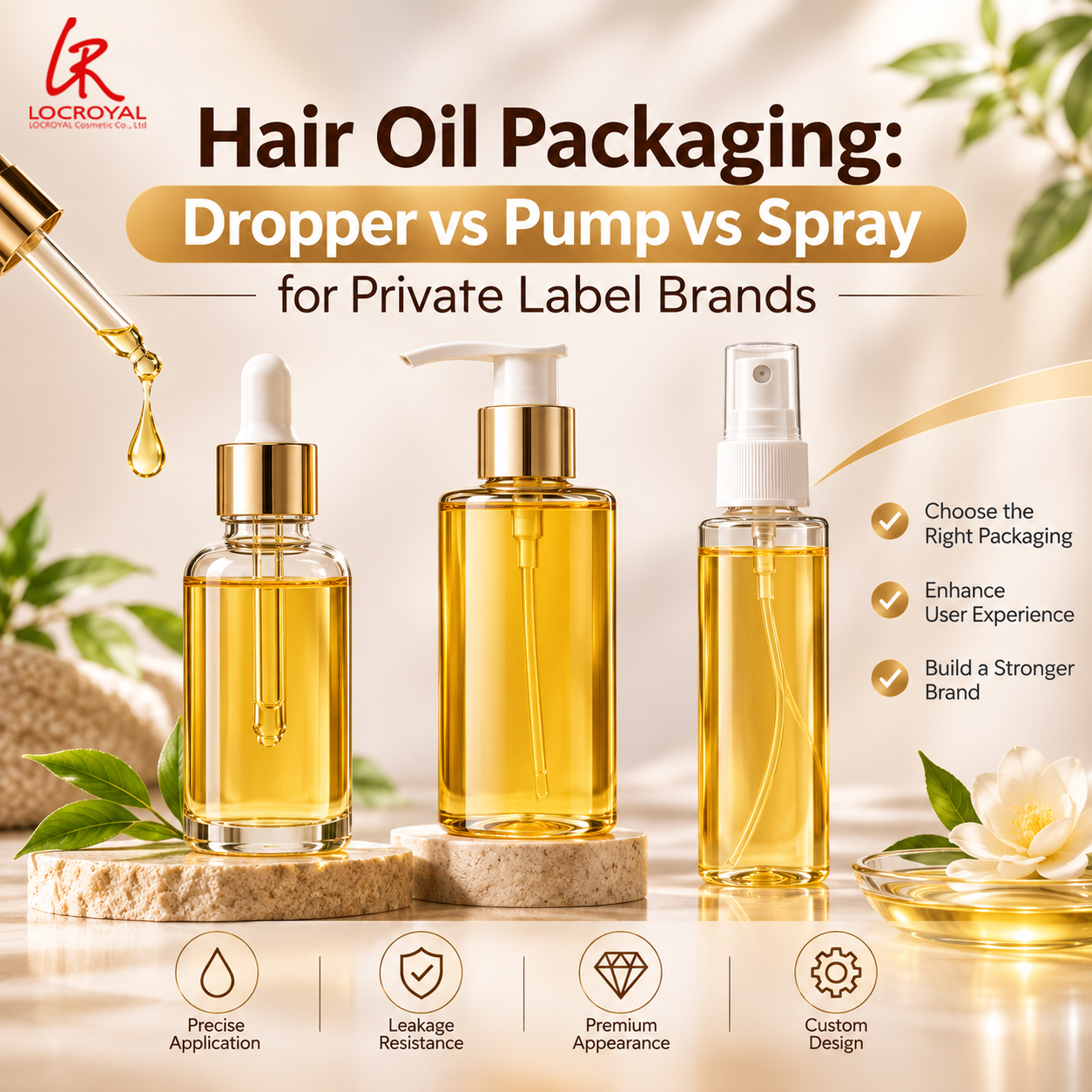
The bottle, pump, or dropper must suit the formula’s flow and dispensing needs. Check closure fit, leakage, dispensing performance, and label durability. A rich hair oil may require a different dispensing solution from a more fluid product. Both should be tested in their final packaging.
How to Write a Hair Oil Formula Brief
A clear brief helps a manufacturer understand the brand’s requirements before sample development. Include the target hair type, preferred texture, desired benefits, ingredient preferences, fragrance, appearance, and intended use.
Also provide the preferred bottle type, target market, price positioning, and estimated order quantity. These details help guide the development of a suitable private label hair oil formula and make the sampling process more focused.
Common Hair Oil Formula Development Mistakes
Several mistakes can affect the final product. Assuming all botanical oils feel heavy is one example, because the complete formulation determines the sensory result. Choosing ingredients only because they are popular can also lead to a product that does not meet consumer expectations.
Other common problems include ignoring dosage, skipping tests on the intended hair type, failing to evaluate residue, and overlooking packaging compatibility. Careful sample evaluation and a clear product brief can help prevent these issues.
About BonnieCo Group
Foshan BonnieCo Biotechnology Co., Ltd. (BonnieCo Group) brings together self-owned manufacturing, own brands, global certifications, and 15 years of smart beauty manufacturing experience.
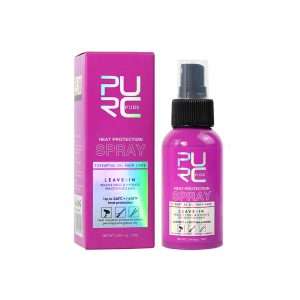
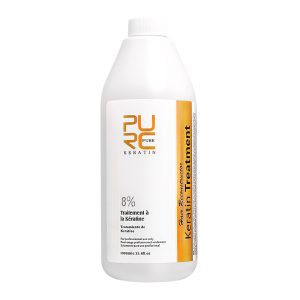
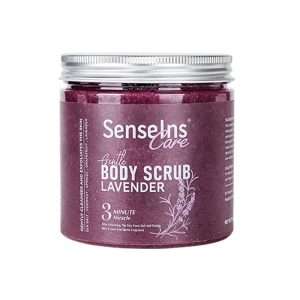
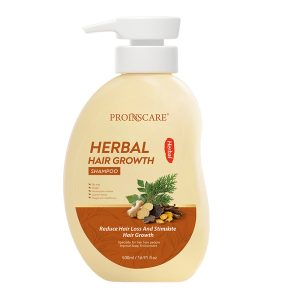
Its three core business divisions are Guangzhou LocRoyal Cosmetics Co., Ltd., providing hair care OEM services and developing PROINSCARE and PURC; Guangzhou BonnieCo Cosmetics Co., Ltd., providing skin care and color cosmetics OEM services with SenseInsCare and Jellyprim; and a 50,000㎡ self-owned production base in Foshan.
Frequently Asked Questions
What makes a hair oil feel lightweight?
Its overall formulation, including oils, emollients, esters, and ingredient ratios, influences the feel. Viscosity, spreadability, and dosage also matter.
Is lightweight hair oil suitable for fine hair?
It can be a suitable option for consumers who prefer a lighter finish. The actual result depends on the formula and the amount applied.
Can rich hair oils be used as leave-in products?
Some can, depending on their formulation and directions for use. Testing at the recommended dosage helps confirm the desired finish.
What ingredients influence hair oil texture?
Botanical oils, ester-based emollients, and silicone-based conditioning ingredients can all influence the sensory experience.
How should brands evaluate hair oil samples?
Check appearance, fragrance, flow, spreadability, application, residue, shine, and manageability. Test on the intended hair type under comparable conditions.
Conclusion
Choosing between lightweight and rich hair oil starts with understanding the target consumer. A lightweight hair oil formula suits daily finishing and consumers who prefer a lighter feel, while a rich hair oil formula may better match products designed around a more substantial conditioning experience.
For brands, the best approach is to define the target audience, prepare a clear formulation brief, test samples on real hair, and confirm formula stability and packaging compatibility before production.
LocRoyal supports brands developing custom hair oil formulations and private label hair oil formula projects, with options for formula, fragrance, texture, and packaging customization. Visit the LocRoyal private label hair oil page to explore product development options.