Introduction
A hair mask sample can sound good and smell nice, but it doesn’t necessarily mean that it’s ready for mass production. When ordering in bulk, foreign purchasers must evaluate the formula consistency, application feel, rinsing experience, wet combing, dry hair texture, and packaging compatibility.
When brands create a hair mask sample testing process that is structured, it may assist in comparing formulas, discovering issues at an early stage, and provide clear feedback to the manufacturers. From the development of any product to the extension of a product line, one of the important points by which the outcome of the product can be ensured is the evaluation of the formula of the hair mask.
Why Hair Mask Sample Evaluation Matters
Evaluating samples prior to production can ensure that a formula will fit your product positioning and target market. It also enables you to compare different versions, pinpoint problems, and ask for changes prior to ordering a large quantity.
For instance, if a mask is for dry hair, it might be creamy and heavy, but if it’s for fine hair, it might be lighter. These differences should be reflected in your hair mask performance testing.
The sample evaluation also serves as a reference for final approval. However, the opinion of consumers alone is not enough to prove the product’s stability and microbiological quality/safety. These should be appropriate lab tests.
Define Your Hair Mask Evaluation Criteria First
Prior to testing, determine what your product will be providing. Clearly defined requirements increase the likelihood of accurate comparisons and can help your manufacturer know what you expect.
Product Positioning and Target Hair Type
Determine if the product is for dry, frizzy, chemically treated, dull, or weak-feeling hair. The desired hair type will dictate the texture, feel, and product experience that you should seek.
Desired Benefits and Benchmark Products
Look for the qualities that are most important: flexibility, wet combing, smoothness, rinsing feel, wet hair manageability, and shine. You can also find your expectations by comparing samples with a suitable benchmark product.
Consistent Evaluation Conditions
Apply the same conditions, quantities, leave-on times, and rinse procedures to each sample. It is difficult to distinguish differences between the formula and the testing procedure if there are no uniform conditions.
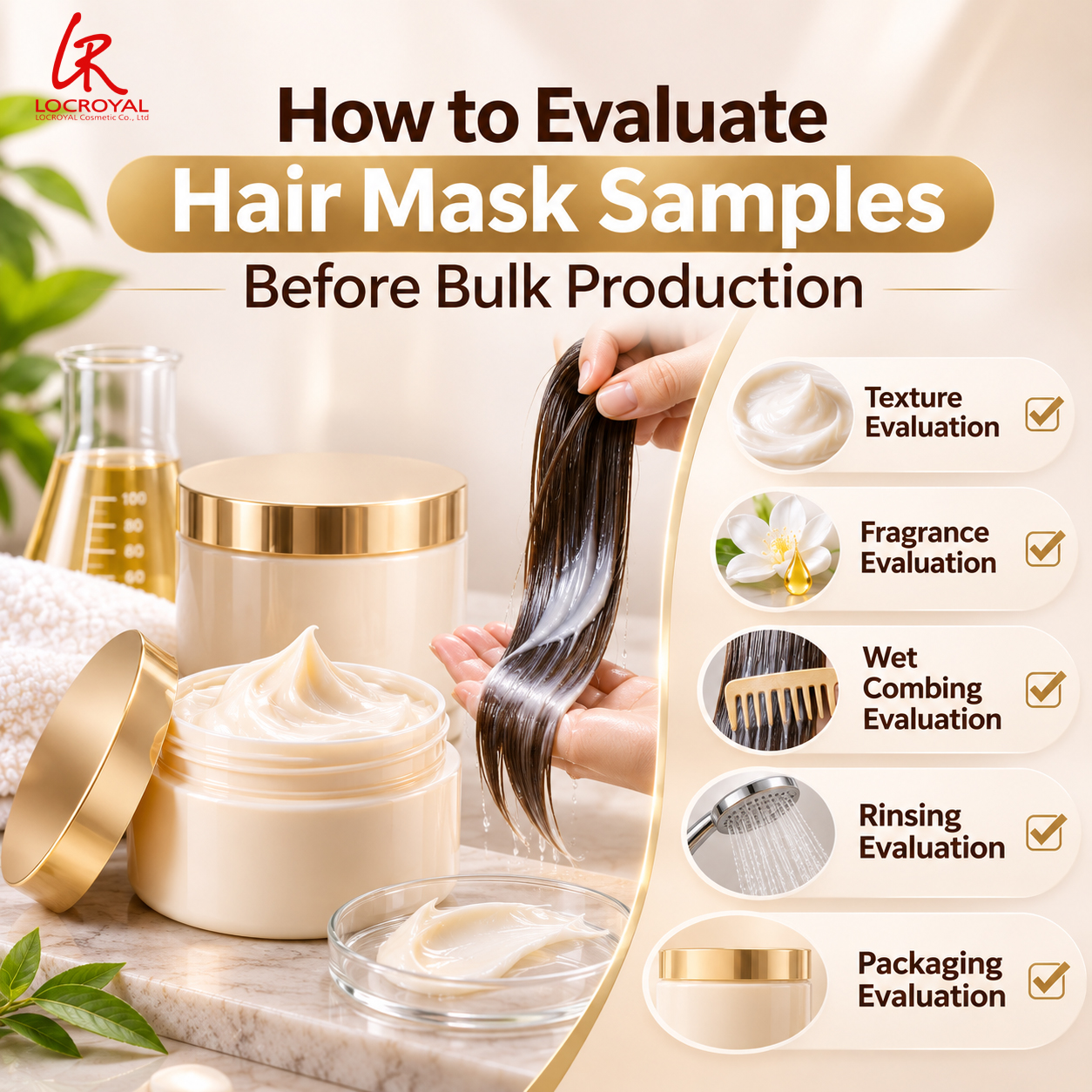
Evaluate Hair Mask Texture and Appearance
Texture is something buyers will consider first, but good hair mask texture does not just mean thick or creamy. The formula should also be easy to dispense, spread, and rinse.
Cream Consistency and Viscosity
Test to see if the sample is thin, medium, or thick. Check for uniformity, separation, or unexpected particles. Observe the characteristics of the cream as it is picked up or spread out. A formula that is too thick can appear thick but be hard to apply. Thinner formulas may work well for spreading but may not be in line with product positioning.
Spreadability and Product Pickup
See if it comes out of the container easily and disperses in the hair. If the product clumps and sticks excessively or if the mid-lengths and ends are not covered easily, it is not clumping hair color.
Color, Appearance and Fragrance
Note the intensity of the fragrance, gloss, and colour of the product. Make a note of any unusual smell or change in appearance. A nice smell or pretty package does not necessarily mean a good product.
Remember: Visual viscosity alone cannot predict performance. Actual application testing is essential.
Test Hair Mask Performance on Wet Hair
Once you’ve made sure it looks good, test out how well the formula works. This is a very important level of a hair mask performance test and gives valuable data on application, detangling, and rinsing.
Application and Hair Coverage
Follow the instructions for use as proposed with clean, wet hair. See if it distributes evenly, particularly down the middle and ends. Note how much has been used and if more product is required for coverage.
Detangling and Wet Combing
Evaluate the combability of the wet hair after the recommended leave-on time. Observe if the comb is moving freely or if it is having any resistance.
To make comparisons, the same hair samples should be used, as well as the same comb and testing conditions. For any objective claims of improved wet combing, careful standardized assessment and supporting evidence are required.
Rinsing and After-Rinse Feel
Note the ease of rinsing the product off. See if hair is unusually slippery, coated, or hard to clean. Write it down right after rinsing to ensure sample consistency.
Evaluate Dry Hair Feel and Manageability
Part of the assessment is on wet-hair performance. After the hair dries, check if the product provides the experience that it is supposed to provide for the position.
Softness and Smoothness
Determine if the hair is soft, smooth, or rough and hard to manage.
Shine and Frizz Appearance
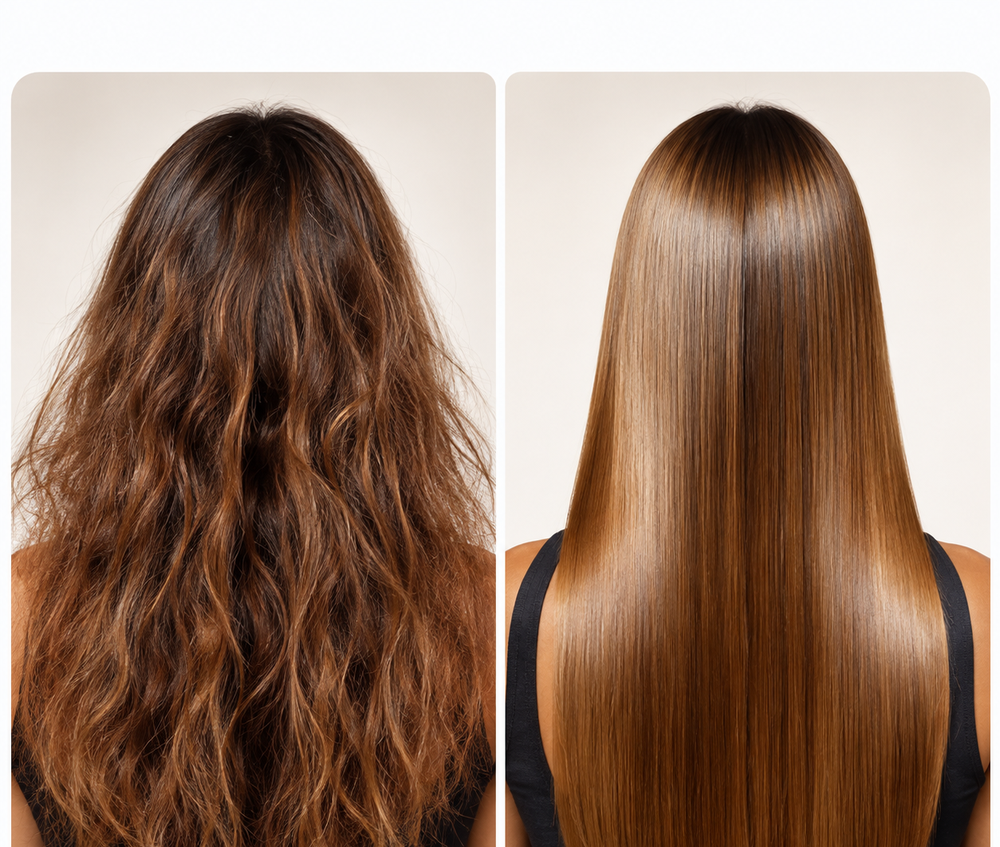
Look at the hair in the same light. Document differences in shine and frizz that can be seen, but do not make a claim based on one informal test.
Weight, Residue and Manageability
Pay attention to hair being heavy, oily, sticky, or coated. Afterwards, evaluate how well it can be combed and styled.
You might want to compare two sets of hair that are alike in some ways: treat one set with the sample and use the other set as a control. Do not change other factors. This helps support internal assessment, but is not an efficacy test.
Use a Hair Mask Sample Evaluation Scorecard
When several people are checking hair mask samples, a scorecard can help organize the hair mask testing.
| Evaluation Item | What to Check | Score |
|---|---|---|
| Appearance | Color and consistency | 1–5 |
| Texture | Thickness and spreadability | 1–5 |
| Fragrance | Scent and intensity | 1–5 |
| Application | Ease of application | 1–5 |
| Wet Combing | Detangling experience | 1–5 |
| Rinsing | Ease of rinse-off | 1–5 |
| After-Feel | Softness and manageability | 1–5 |
| Packaging | Dispensing and usability | 1–5 |
Apply the same scoring scale to all the samples. The scores are not meant to be evidence of product efficacy, but rather are for internal comparison.
Sample code, evaluation date, hair type, method of use, comments, and suggested revisions are also recorded. Having these details on hand will help you to make comparisons and to communicate your decisions with your manufacturer.
Laboratory Tests and Packaging Compatibility
A “feel good” sample will still require the correct quality checks. Hair mask quality control should be carried out on the formula and the packaging prior to bulk production.
Stability and Physical Properties
Speak with your manufacturer about appropriate stability tests. These can vary from formula to formula and include changes in appearance, color, odor, pH, and viscosity during specific storage conditions. According to the Cosmetic Stability Guidance, the following factors should be taken into account when considering the stability of a cosmetic product: Physical and chemical properties, Microbiological properties, Function of the product, and Storage packaging.
Microbiological Quality
Inquire about microbiological testing and assessment of the preservative system required in your formula and market. The FDA’s cosmetics GMP guidance includes information on quality controls for raw materials, in-process samples, and finished products.
Packaging Compatibility
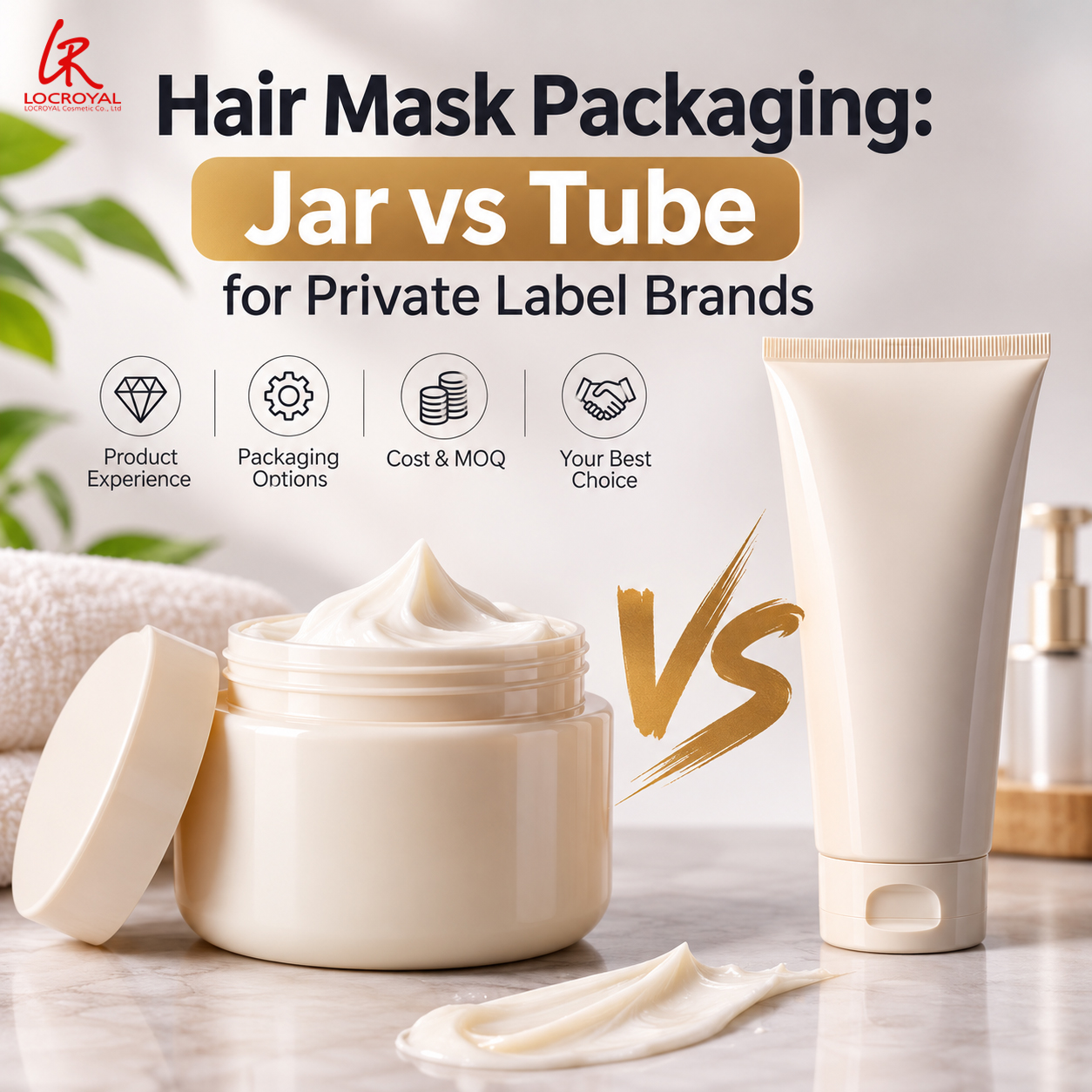
Check the formula in the proposed container and closure. Check for leakage, sealing problems, dispensing difficulties, container damage, and unexpected changes in the product. Check also the adherence of the label and the quality of the print.
Never assume that a formula which has been tried out in one container will perform the same in another. Verify the packaging system prior to approval.
How to Give Useful Feedback to Your Manufacturer
Clear feedback assists the R&D team in knowing what changes to make. Do not say “not good enough” or “too thick” without providing a description of the problem.
Rather, mention what can be seen or heard: cream is hard to spread, smell is too strong, hair is heavy after rinsing, or texture is different from the approved benchmark.
Distinguish between needs and wants. If a revision is required, keep the sample code and document the changes requested and clearly label the new version. Compare samples under the same conditions after revision.
This method will streamline the hair mask formula evaluation, making it more organized and less confusing during development.
Final Approval Checklist Before Bulk Production
Check the sample and written specifications for production before authorizing production. Your approval should include the formula, sample code, texture, smell, appearance, package, closure, label artwork, order details, and quality.
Inspect relevant quality and test documents to make sure the manufacturer is aware of the agreed production requirements.
The approved sample should be the product that you are expecting to receive. No “OK” by email should substitute for plain and precise written specifications and documentation of approval.
Common Hair Mask Sample Approval Mistakes
There can be several errors that can cause issues later on. Choosing a sample by scent alone is not the best choice, as other key aspects of the formula are ignored. Testing on a different hair type may give erroneous results, and variations in application and rinsing will make comparisons unreliable.
Some of the other frequently occurring errors are overlooking the last packaging system and authorising bulk production without retaining sample codes or written specifications.
These problems can be avoided by using a consistent evaluation process and boosting hair mask quality control.
About BonnieCo Group
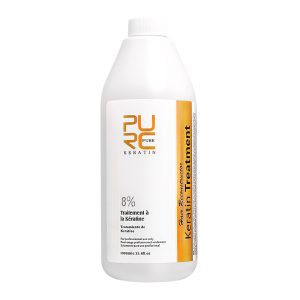
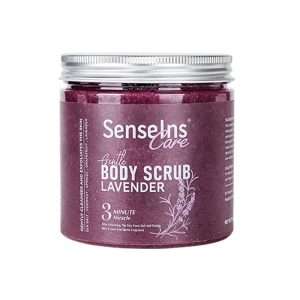
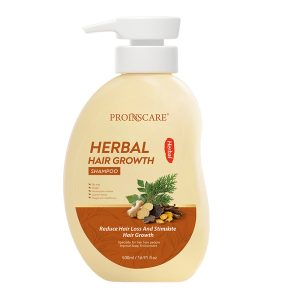
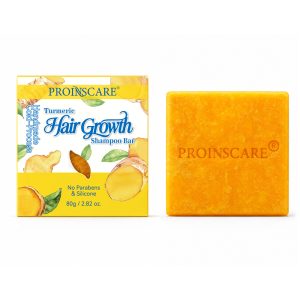
Foshan BonnieCo Biotechnology Co., Ltd. (BonnieCo Group) operates three core business divisions: Guangzhou LocRoyal Cosmetics Co., Ltd., providing hair care OEM services and self-owned brands PROINSCARE and PURC; Guangzhou BonnieCo Cosmetics Co., Ltd., providing skin care and color cosmetics OEM services and brands SenseInsCare and Jellyprim; and a 50,000㎡ self-owned production base in Foshan.
With its stated focus on self-owned manufacturing, own brands, global certifications, and 15 years of smart beauty manufacturing, BonnieCo Group supports beauty businesses developing products for different markets.
Frequently Asked Questions
How many hair mask samples should a brand evaluate?
There is no fixed number for every project. It depends on the number of formula options and the differences you need to compare. Start with samples that represent distinct options, then request revisions where necessary.
What should I check in a hair mask texture sample?
Check consistency, uniformity, spreadability, color, and fragrance. Also assess application, rinsing, and dry hair feel. Hair mask texture should be evaluated through actual use, not appearance alone.
Can I request changes after the first sample?
Yes. Buyers can discuss adjustments to texture, fragrance,, and other formula characteristics with their manufacturer. The revision process depends on the project requirements.
Why is packaging compatibility testing important?
The formula and packaging must work together during storage, transportation, and use. Testing can help identify leakage, dispensing problems, and unwanted product changes.
What should be approved before hair mask bulk production?
Confirm the final formula, sample code, texture, fragrance, packaging, label artwork, quality specifications, and order details. Review the relevant quality documentation before authorizing production.
Conclusion
Checking the fragrance or thickness of a hair mask sample isn’t enough to evaluate it. The buyer should set quality criteria and check the texture and application, the wet combing, dry hair feel, as well as comparing samples under the same conditions.
A scorecard is used to manage the sample testing for hair masks, and laboratory testing and packaging compatibility testing are conducted prior to production. Feedback and written approvals are clearly recorded and ensure the manufacturer understands the end result.
LocRoyal offers private label(also private label hair mask samples) and OEM/ODM hair mask services, including formula development, sample support, and packaging customization. Visit the LocRoyal private label hair mask page to discuss your product requirements.