Launching a shampoo brand involves more than choosing a formula and designing a bottle. You also need to understand the minimum order quantity (MOQ), which affects your starting budget, inventory, packaging options, and production planning.
However, private label shampoo MOQ is not always one fixed number. Your minimum order may depend on the formula, bottle, pump, labels, printing, cartons, and number of product variations. A simple project using an existing formula and standard packaging may have different requirements from a fully customized shampoo line.
So, what determines your shampoo MOQ, and how can you manage it when starting a new brand? Let's explore the key factors.
What Does MOQ Mean for a Shampoo Project?
MOQ stands for Minimum Order Quantity. In shampoo manufacturing, it refers to the minimum quantity required for a production order or a particular component. One project may involve several different minimums, and they do not always match.
For example, the manufacturer may have a minimum batch size for shampoo, while a packaging supplier requires a different quantity for bottles or pumps.
Common types of shampoo MOQ include:
- Formula MOQ: The minimum production batch for an existing or customized formula.
- Bottle MOQ: The minimum number of bottles that can be ordered.
- Pump MOQ: The minimum quantity for pumps, flip caps, or other closures.
- Label MOQ: The minimum number of printed labels.
- Carton MOQ: The minimum number of shipping cartons or retail boxes.
- Printing MOQ: The minimum quantity required for a specific decoration method.
- Finished Product MOQ: The minimum quantity of complete, filled, and packaged shampoo units.
Your private label shampoo minimum order may be influenced by the most restrictive component or by the manufacturer's filling and production requirements.
When contacting a low MOQ shampoo manufacturer, ask whether the quoted quantity applies to finished shampoo or individual packaging components. This makes it easier to compare quotations accurately.
Why Shampoo MOQ Is Not One Fixed Number
Shampoo manufacturing involves several connected steps. Each choice affects the next, so the final shampoo manufacturer MOQ depends on the complete project rather than one component alone.
Formula → Bottle → Pump or Cap → Label or Printing → Carton → Filling → Finished Product
For instance, you might choose an existing formula that works with a standard bottle. But if you later request a special bottle color, a custom pump, and a printed retail box, additional supplier requirements may apply.
Labels, printing methods, and carton designs can also affect purchasing quantities. These details may seem small individually, but together they can increase production complexity.
This is why custom shampoo MOQ should be discussed before finalizing the design. A manufacturer needs to understand your formula, packaging, decoration, and quantity requirements to provide a useful estimate.
How Formula Choice Affects Shampoo MOQ
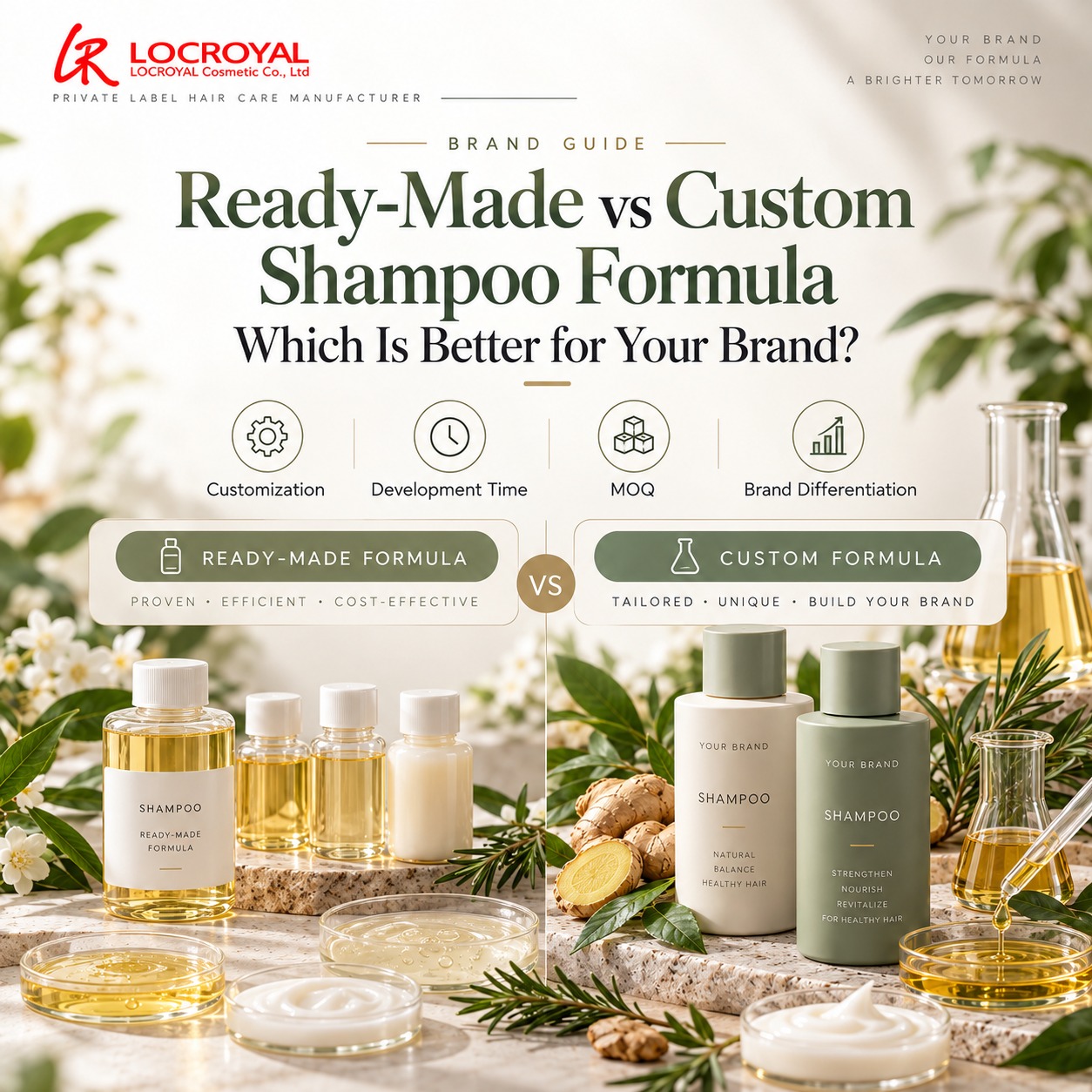
Formula selection is one of the first decisions that can influence your order. Most projects begin with an existing formula, a modified formula, or a fully custom formulation.
Existing Formula
An existing formula can help brands simplify product development. Instead of creating a shampoo from scratch, you select an available formula that fits your product goals.
This approach may reduce development work and make it easier to combine the shampoo with standard packaging. It can be a practical choice for startups that want to test market demand before investing in extensive customization.
However, an existing formula does not guarantee a specific shampoo MOQ. Batch sizes, ingredient availability, filling requirements, and packaging minimums still need to be confirmed.
Semi-Custom Formula
A semi-custom formula starts with an existing base and introduces selected changes, such as fragrance, color, texture, or certain ingredients.
This option allows a brand to create a more distinctive product without developing every part of the formula from the beginning. However, modifications may require additional sampling, ingredient sourcing, or testing.
As a result, the custom shampoo MOQ may differ from the minimum for an unchanged formula.
Fully Custom Formula
A fully custom formula is developed around a brand's specific goals, ingredients, target customers, and product performance requirements.
Although this offers greater control, it may involve more development work and additional raw-material requirements. Specialized ingredients can also have separate purchasing minimums.
When discussing OEM shampoo MOQ, explain whether you want an existing, semi-custom, or fully custom formula. This helps the manufacturer assess your needs before quoting.
How Pumps and Caps Affect MOQ
Pumps and caps influence packaging cost, usability, appearance, and purchasing quantities. Standard closures are often easier to source than highly customized options, making them worth considering for a first launch.
Customization can introduce additional requirements. Special colors, metallic plating, distinctive shapes, and branded finishes may involve separate sourcing or decoration processes.
The closure must also work with the formula. A thick shampoo may not dispense properly through every pump, while an unsuitable closure can cause leakage or handling problems.
Before approving a packaging design, ask the manufacturer:
- Is the pump or cap a standard item or a custom component?
- Does a special color or finish affect the MOQ?
- Is there a separate minimum for decorated closures?
- Can the pump dispense the shampoo at its intended viscosity?
- Can the same closure work across multiple SKUs?
These questions help you understand how packaging decisions affect your private label shampoo minimum order and prevent avoidable changes later.
How Printing and Labels Affect MOQ
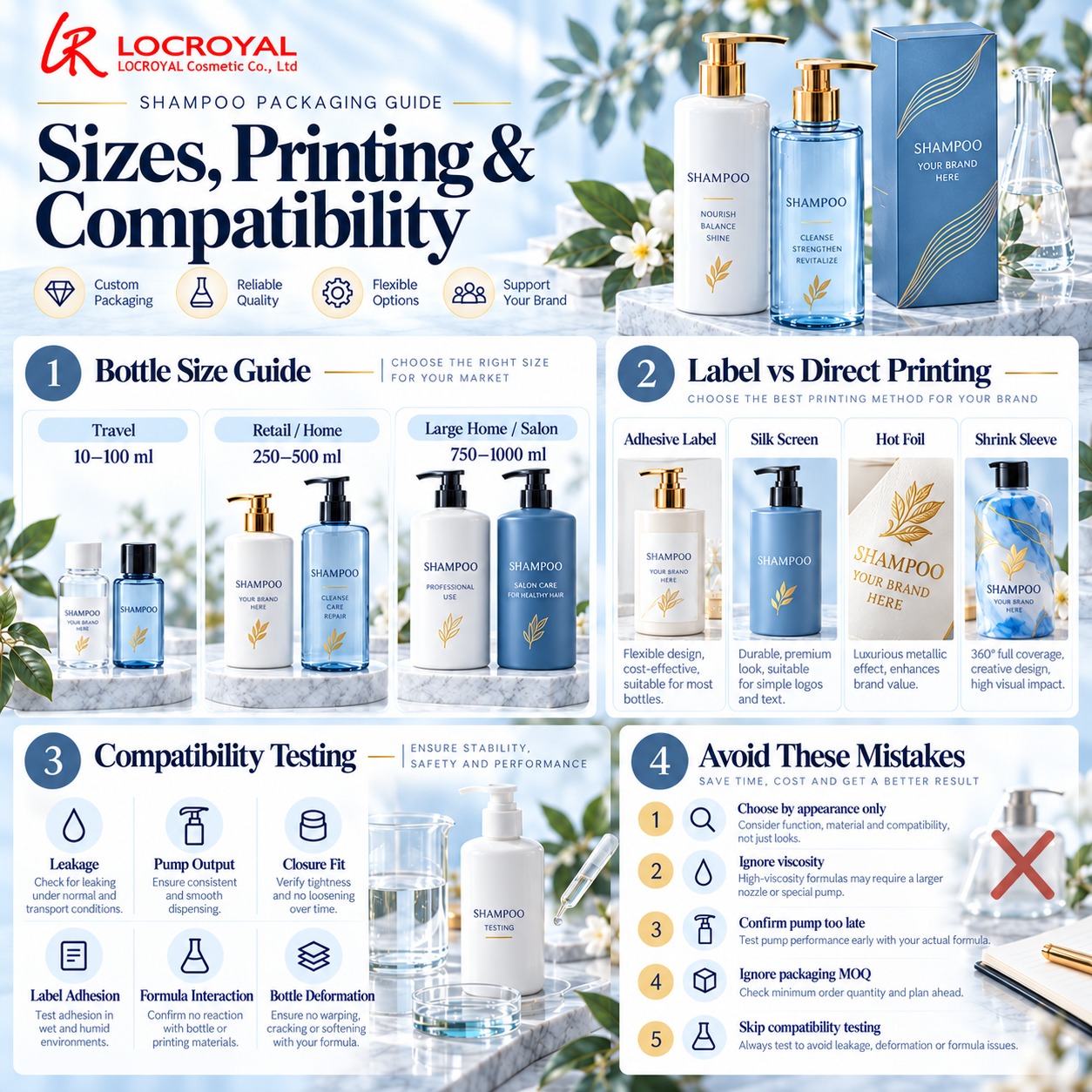
Packaging decoration helps customers recognize your brand, but different methods involve different production processes. Your choice should reflect your budget, artwork, desired appearance, and order quantity.
| Method | MOQ considerations | Best suited for |
|---|---|---|
| Adhesive label | Label specifications and print quantity | Flexible designs and startup launches |
| Silk screen | Setup, bottle shape, colors, and printing quantity | Direct printing on suitable bottles |
| Hot foil | Special setup and decorative requirements | Metallic logos and premium details |
| Shrink sleeve | Sleeve production, artwork, and application | Designs covering much of the bottle |
| Retail box | Carton size, printing, and finishing | Gift sets and premium retail packaging |
Adhesive labels can be useful when you want to update artwork or test different designs. Silk screen printing and hot foil can create a more integrated or premium appearance, but they may require extra setup.
No method automatically has a higher MOQ in every case. Requirements vary by supplier, packaging specifications, and production process.
When requesting an OEM shampoo MOQ quote, ask whether printing is included in the minimum quantity. Confirm whether bottles, labels, and cartons have separate minimums, and whether larger orders reduce the unit cost.
Why Multiple SKUs Change Your Project MOQ
A SKU, or Stock Keeping Unit, identifies a specific product variation. A shampoo range with different formulas, fragrances, sizes, or packaging designs may contain several SKUs.
Imagine launching three products: moisturizing shampoo, clarifying shampoo, and color-protecting shampoo. Even if they use the same bottle shape, each product may need a separate formula batch, label design, and production plan.
Different bottles or closures add further complexity. Manufacturers may need to coordinate separate packaging orders, artwork approvals, and filling arrangements.
For new brands, launching too many products at once can increase inventory costs before demand is clear. Starting with one or two core shampoos may make your custom shampoo MOQ easier to manage.
When asking about shampoo manufacturer MOQ, confirm whether the minimum applies per SKU or to the total order. Do not assume that several product variations can automatically share one minimum.
Can Stock Packaging Help Reduce Entry Complexity?
Stock packaging can be a practical option for brands that want to control their initial investment. Standard bottles, pumps, and caps may already be available, reducing the need for custom tooling or special production arrangements.
You can still build a recognizable brand through label design, product naming, and a consistent visual style. Stock packaging may also make it easier to compare sizes and choose a format suited to your sales channel.
However, stock packaging does not guarantee a low MOQ. The bottle supplier, formula manufacturer, label printer, and carton supplier may each have separate requirements. If you are looking for a low MOQ shampoo manufacturer, explain your target budget and first-order quantity. Ask which standard packaging options are available and whether they can be used for repeat orders.
The goal is to find packaging that suits your formula, brand identity, and sales plans, not simply the cheapest available bottle.
How to Ask a Manufacturer for an Accurate Shampoo MOQ
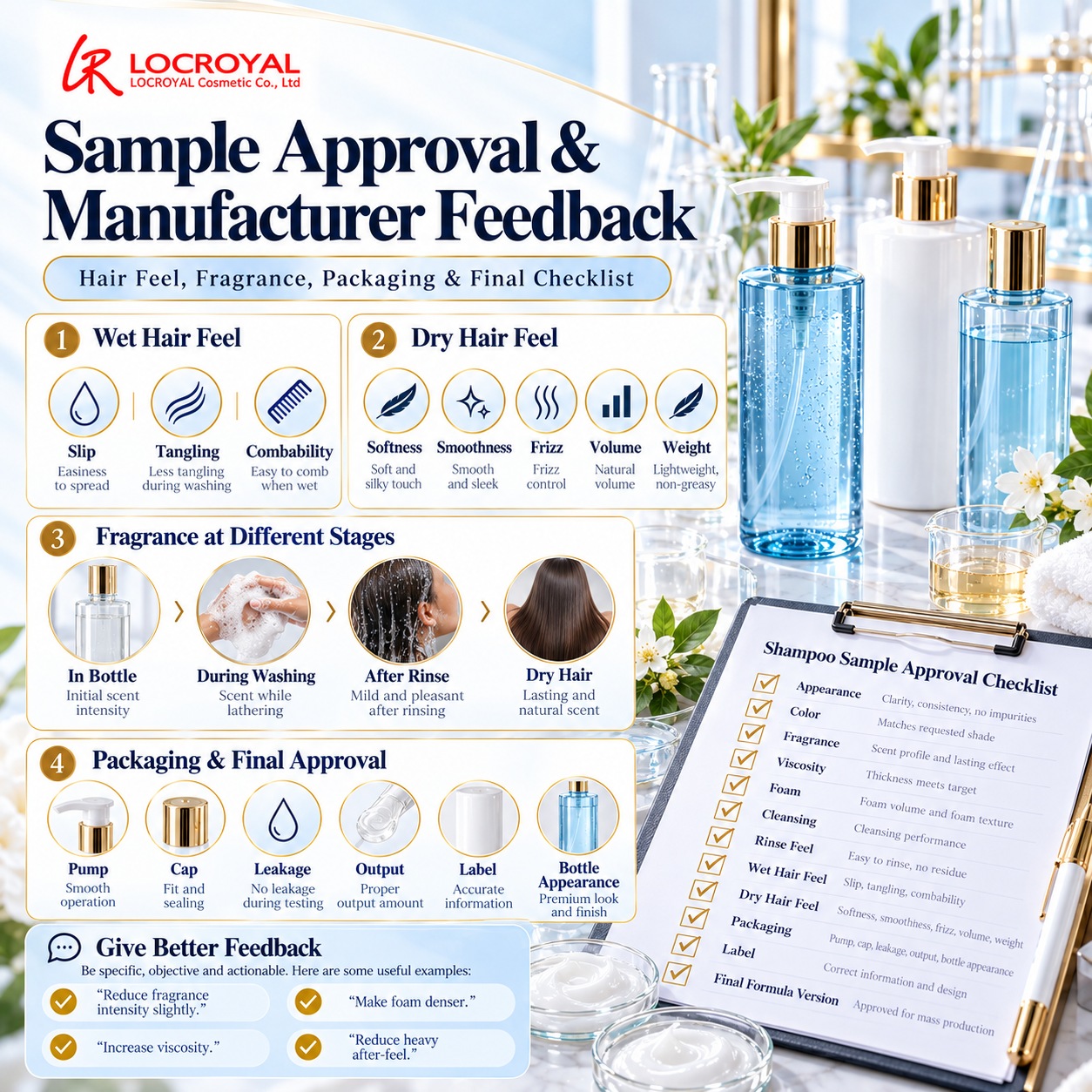
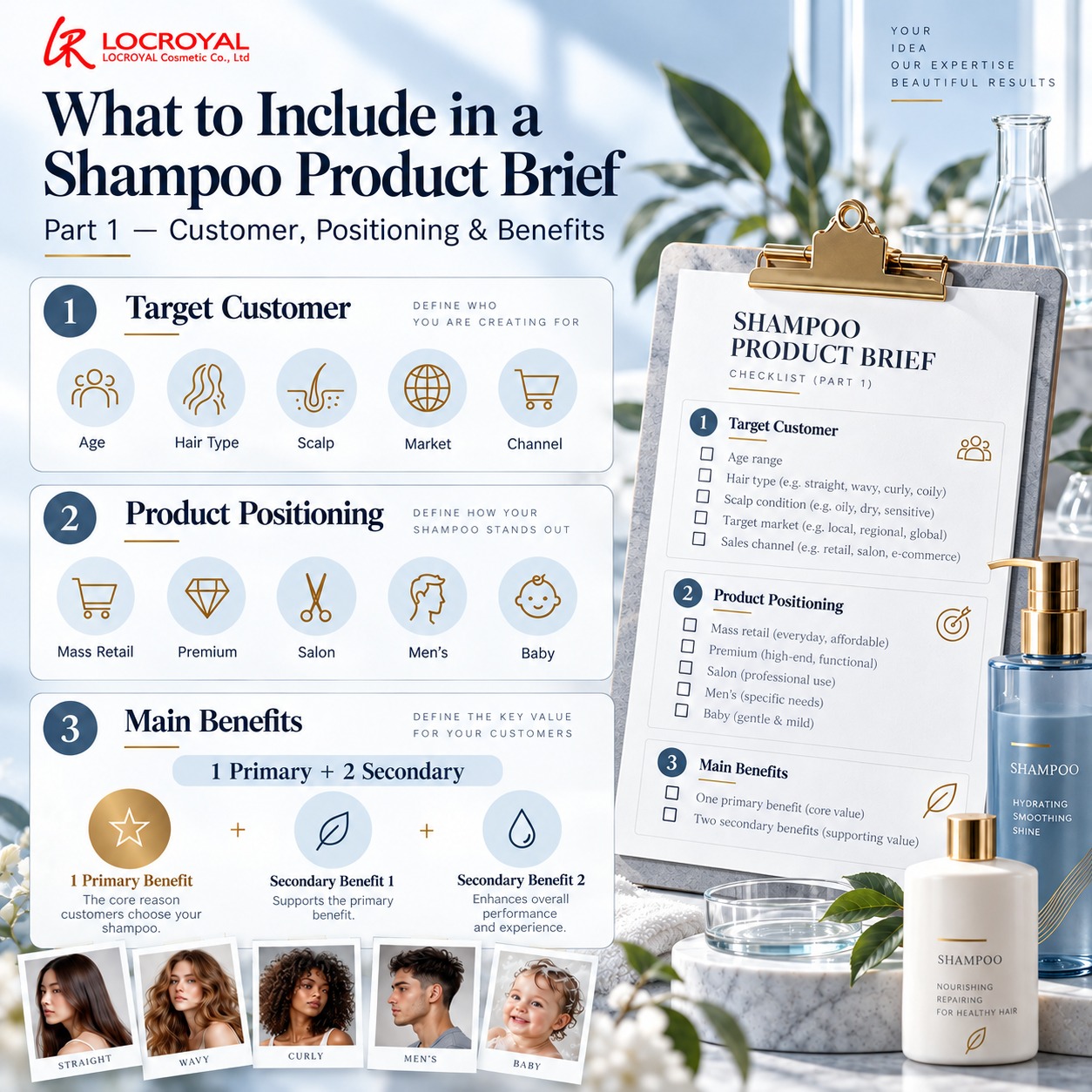
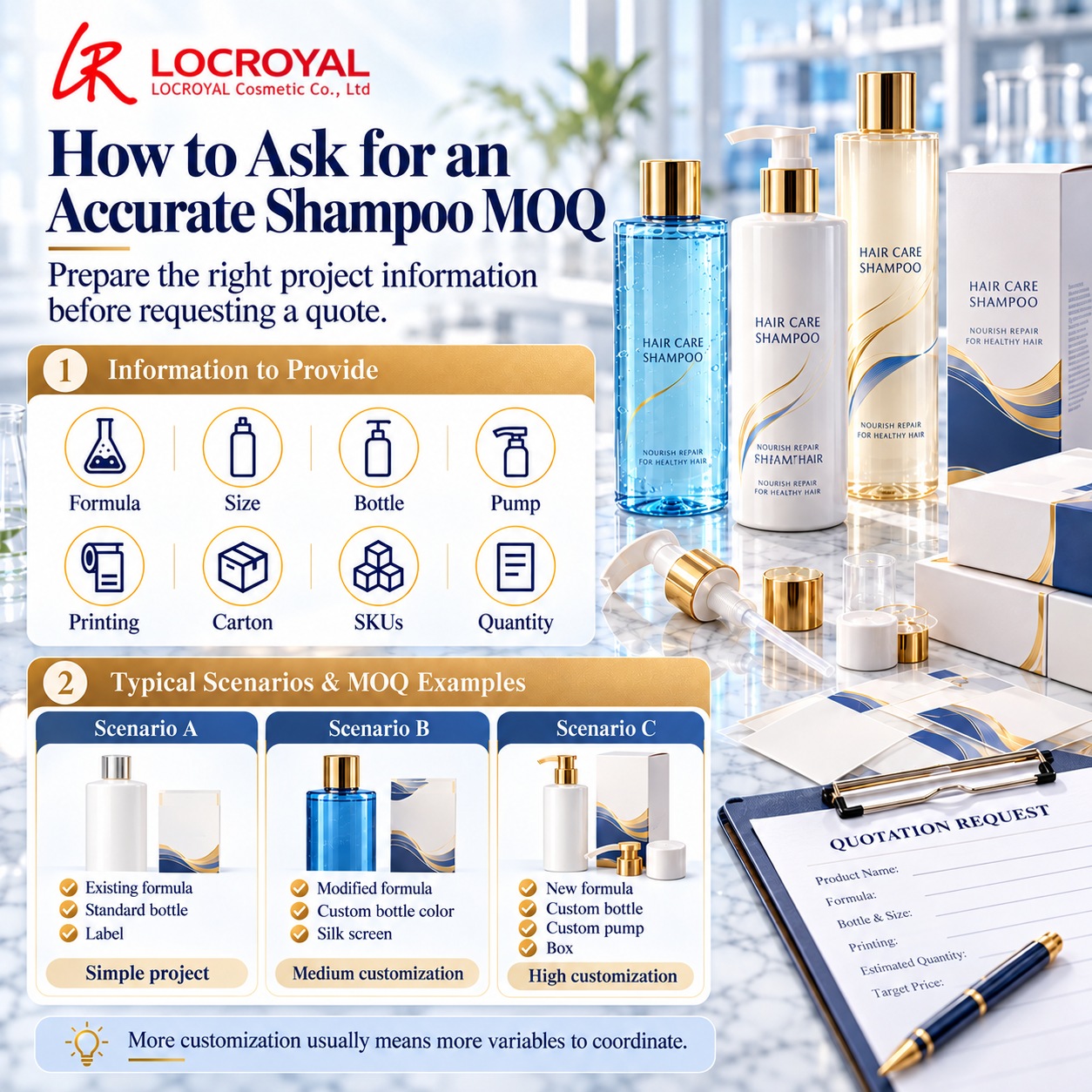
A clear project brief helps the manufacturer calculate the minimum order quantity and prepare a relevant quotation. Before requesting a quote, prepare these details:
- Formula: Existing, semi-custom, or fully custom.
- Size: Intended fill volume, such as 250 ml or 500 ml.
- Bottle: Preferred shape, material, and stock or custom design.
- Pump: Pump, flip cap, disc-top cap, or another closure.
- Printing: Adhesive label, silk screen, hot foil, shrink sleeve, or another method.
- Carton: Standard shipping carton, custom retail box, or both.
- SKUs: Number of formulas, fragrances, sizes, and packaging variations.
- Quantity: Target first order and expected repeat-order volume.
You should also share your target market and preferred launch date when possible. These details help the manufacturer understand the project's scope.
Ask for a breakdown of formula, packaging, printing, and finished-product minimums. You should also confirm sample costs, tooling fees, production lead times, and what happens if some packaging remains unused.
Only after reviewing these requirements can the manufacturer provide a quote that reflects your actual project rather than a general estimate.

Example Shampoo Project Scenarios
The following examples show how customization can affect project complexity. They are illustrative scenarios, not guaranteed production quantities.
Scenario A: Existing Formula and Standard Bottle
A startup chooses an existing formula, a standard bottle, a standard pump or cap, and an adhesive label.
This is a relatively simple project because it relies on established formula and packaging options. It may involve fewer development steps, although the manufacturer still needs to confirm batch sizes, component availability, and filling requirements.
For a brand testing the market, this can be a practical starting point.
Scenario B: Modified Formula and Custom Bottle Color
A growing brand wants a modified shampoo formula, a custom bottle color, and silk screen printing.
This project involves more coordination. Formula changes may require sampling and evaluation, while bottle coloring and printing may have separate supplier requirements.
The resulting custom shampoo MOQ depends on the formula changes, packaging availability, printing setup, and planned order quantity.
Scenario C: New Formula, Custom Bottle, Custom Pump, and Retail Box
An established brand wants a new formula, a custom bottle, a specially finished pump, and a printed retail box.
This project has the highest customization level of the three examples. It may involve formula development, packaging design, tooling, multiple suppliers, artwork approval, and compatibility checks.
Customization complexity generally increases the number of variables that must be coordinated. It does not automatically mean every custom project requires a larger order, but it does mean the manufacturer needs more information to assess the requirements.
For all three scenarios, confirm the full specification before comparing quotations. A low advertised MOQ is only useful if it applies to the product you actually want to manufacture.
Plan Your Shampoo MOQ With LocRoyal
Choosing an experienced manufacturing partner can help you plan your first shampoo project. LocRoyal Cosmetics provides private label shampoo and OEM/ODM services, including formula selection, customized formulation, packaging options, and manufacturing.
According to its published private label shampoo page, LocRoyal's MOQ depends on customization. The page indicates that some existing-formula projects may start at around 1,000 pieces, while customized formulas, fragrances, or bottles typically require 3,000 pieces or more, depending on the project. These are indicative figures published by LocRoyal, not universal industry standards or guaranteed quantities for every order.
Foshan BonnieCo Biotechnology Co., Ltd. (BonnieCo Group) operates three core business divisions:
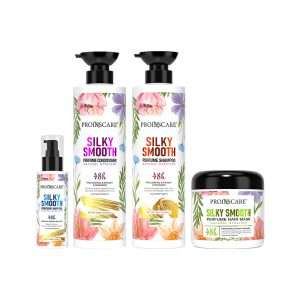
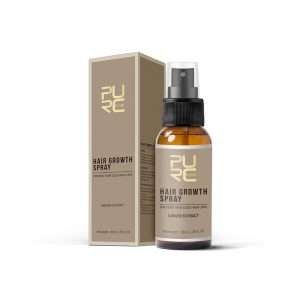
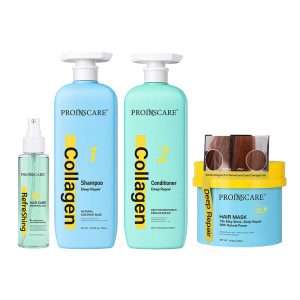
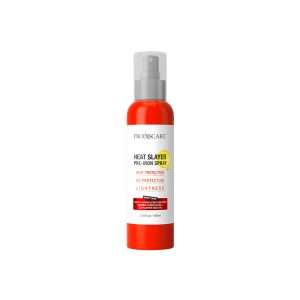
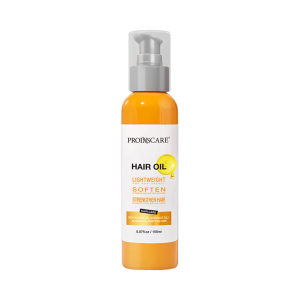
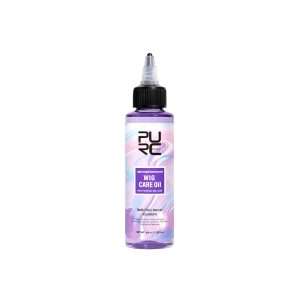
- Guangzhou LocRoyal Cosmetics Co., Ltd.: Hair care OEM services and self-owned brands, including PROINSCARE and PURC.
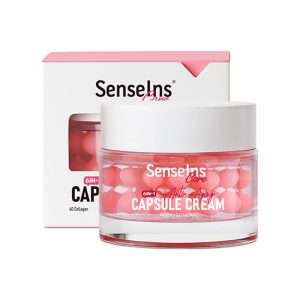
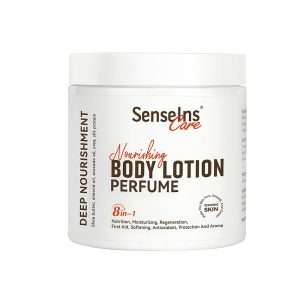
- Guangzhou BonnieCo Cosmetics Co., Ltd.: Skin care and color cosmetics OEM services, with self-owned brands including SenseInsCare and Jellyprim.
- Foshan production base: A 50,000㎡ self-owned manufacturing facility.
With 15 years of smart beauty manufacturing experience, the group supports beauty product development and manufacturing for different brand needs.
To discuss your project, visit the LocRoyal private label shampoo page and share your formula, bottle, pump, printing, carton, SKU count, and target quantity.
Conclusion
Private label shampoo MOQ depends on more than the number of bottles you want to order. Formula selection, packaging components, printing methods, cartons, production requirements, and SKU quantity can all affect the minimum.
For a new brand, an existing formula, standard packaging, and a focused product range may simplify the first order. More customized projects can offer greater product differentiation but require additional planning and coordination.
Instead of relying on a general MOQ figure, request a project-specific breakdown from your manufacturer. Understanding the requirements for each component will help you compare quotes, manage your budget, and plan a more practical shampoo launch.