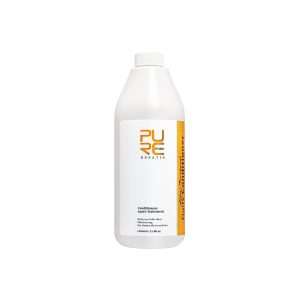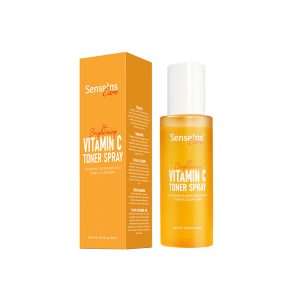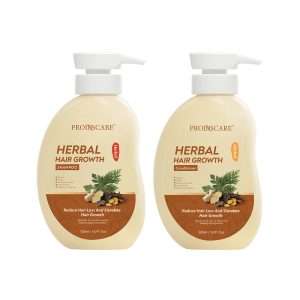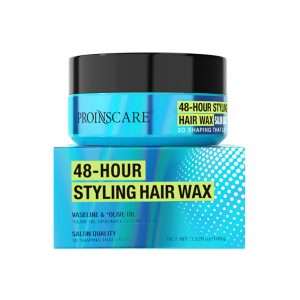
Choosing the right shampoo packaging is about more than finding an attractive bottle. Your packaging must protect the formula, make the product easy to use, support your brand image, and fit your production budget.
For beauty brands, the wrong bottle or closure can cause leakage, dispensing problems, or extra costs. The right combination of materials, size, pump, cap, and printing can create a better customer experience while helping your product stand out.
Whether you are launching a salon shampoo, a retail product, or a private label range, this guide explains how to choose shampoo packaging that matches your product and business goals.
Why Shampoo Packaging Is More Than Appearance
Packaging is often the first thing customers notice, but its job goes beyond appearance. Good shampoo bottle packaging should protect the product, support convenient use, and work with the formula throughout storage, shipping, and daily use.
For example, a thick shampoo may need a different pump from a lightweight formula. A travel product needs a compact container, while a salon-size bottle may require a larger dispensing system.
Your shampoo packaging design should consider four main factors:
- Product protection: The container and closure should help prevent leakage and contamination during normal use.
- User convenience: Customers should be able to open, hold, and dispense the product easily.
- Brand identity: Bottle shape, color, labels, and printing should match your positioning.
- Production cost: Material, decoration, minimum order quantity (MOQ), and shipping all affect the final cost.
Before choosing a design, confirm the formula, target customer, sales channel, and expected order quantity. These details help your shampoo bottle manufacturer recommend suitable options.
Shampoo Bottle Materials
The material affects the bottle’s appearance, strength, flexibility, and compatibility with the formula. PET, HDPE, and PP are common plastics used in personal care packaging, but they have different properties.
When comparing materials for custom shampoo packaging, consider how the bottle will look and feel, how customers will dispense the product, and whether the complete package is suitable for your formula.
PET (polyethylene terephthalate) is often chosen for its clarity and smooth appearance. It can work well when brands want customers to see the shampoo inside. Depending on the bottle design, PET can provide a firm, polished look.
HDPE (high-density polyethylene) is commonly used for opaque or semi-opaque containers. It offers a practical option for everyday shampoo packaging and can provide a useful balance of rigidity and flexibility.
PP (polypropylene) is used in various packaging components, including some bottles and closures. Its suitability depends on the design and the specific formula-contact conditions.
| Material | Appearance | Typical Packaging Consideration |
|---|---|---|
| PET | Often clear and glossy | Useful when product visibility matters |
| HDPE | Often opaque or semi-opaque | Suitable for practical, everyday designs |
| PP | Varies by design | Commonly used for closures and selected containers |
No material is automatically best for every shampoo. Confirm the specific packaging grade, supplier specifications, and formula compatibility before making a final choice.
Pump vs Flip Cap vs Disc Top
The closure affects how customers dispense shampoo and how convenient the product is to use. The best option depends on bottle size, formula viscosity, usage habits, and brand positioning.
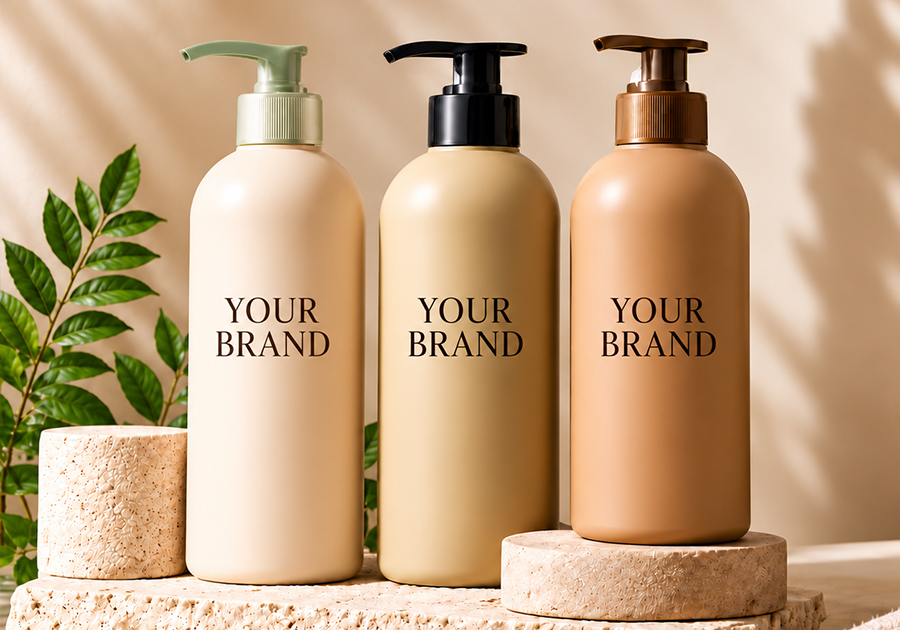
A shampoo pump bottle can offer convenient dispensing, especially for products used frequently at home or in salons. However, the pump must be suitable for the formula’s thickness and dispensing needs.
Flip caps are simple to open and close, making them a common option for retail shampoo bottles. Disc-top closures open with pressure on one side and can offer controlled dispensing without a separate pump.
| Closure | Common Application | Main Advantage |
|---|---|---|
| Pump | Medium and large bottles, including 500–1000 ml formats | Convenient repeated dispensing |
| Flip cap | Everyday retail shampoo | Simple opening and closing |
| Disc top | Small and medium bottles | Controlled dispensing |
These sizes are examples, not fixed rules. A pump can work on smaller bottles, while larger bottles may use other closures depending on the intended use. Before finalizing your shampoo packaging design, test whether the closure opens easily, seals securely, and dispenses the formula without clogging or excessive effort.
How to Choose Shampoo Bottle Size
Bottle size affects the customer’s purchase decision, product cost, shipping, and intended use. Instead of choosing a size simply because it looks attractive, consider how much shampoo customers are likely to use and where they will use it.
Common starting points include:
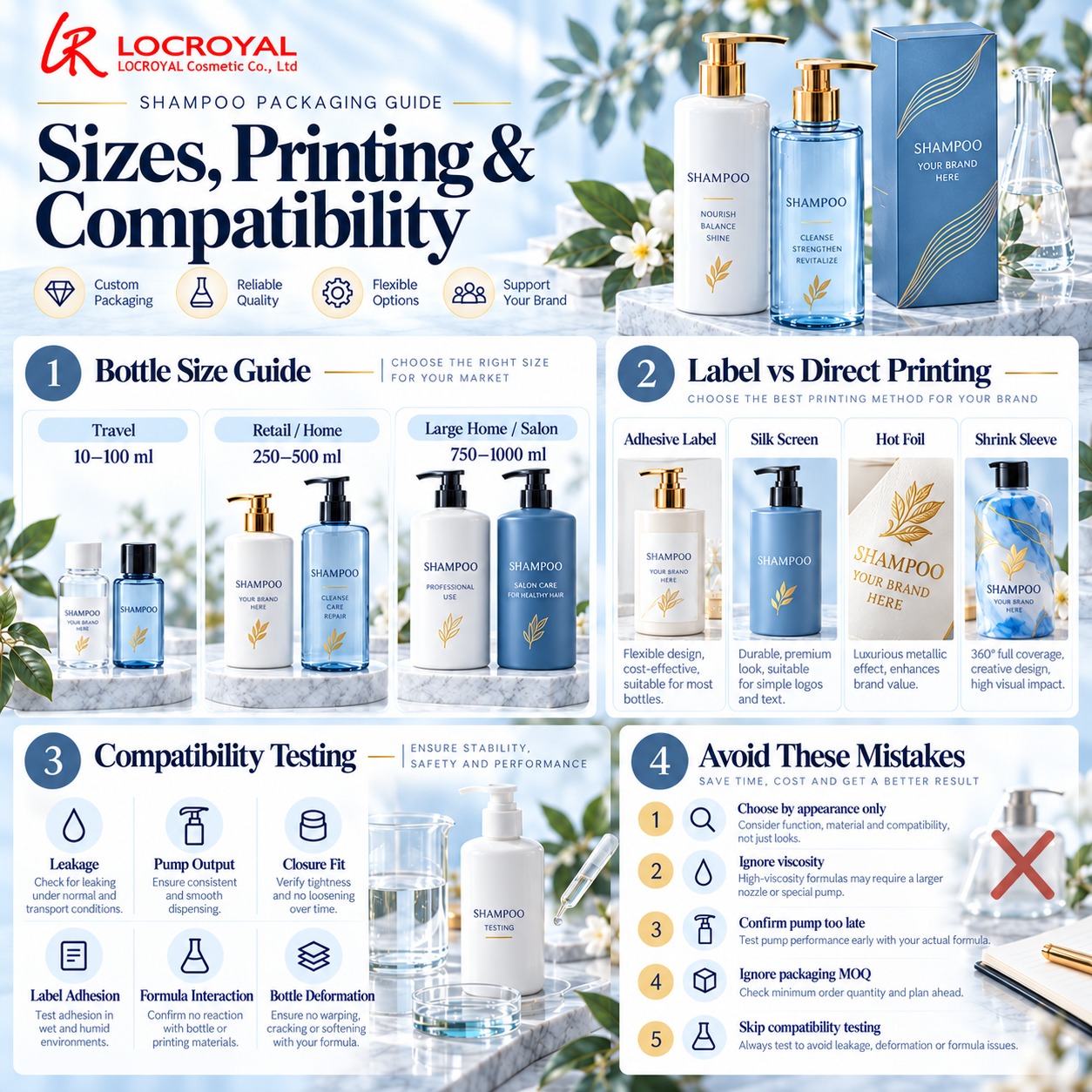
- Travel: 10–100 ml. Compact formats for travel kits, samples, hotels, and promotional sets, subject to applicable travel and sales requirements.
- Retail and home: 250–500 ml. Practical sizes for regular household use and many consumer product lines.
- Large home and salon: 750–1000 ml. Larger formats for frequent use or professional environments.
These ranges are general planning examples. The right size depends on your audience, price positioning, formula, and distribution channel.
When developing custom shampoo packaging, compare the total cost of different sizes, including the bottle, closure, label, filling, outer carton, and shipping. A larger container may reduce packaging cost per milliliter but increase weight and storage requirements.
Also, check whether the bottle shape works with your dispensing system and retail display. A well-chosen shampoo bottle should balance appearance, usability, and commercial practicality.
Retail vs Salon vs Travel Packaging
Different sales channels call for different packaging choices. Your shampoo packaging should reflect where customers will purchase and use the product.
Travel packaging usually prioritizes compact size, secure closures, and portability. Smaller bottles can also work for samples and gift sets.
Home and retail packaging often focuses on ease of use, shelf appeal, and value. Bottle shape, label readability, and convenient closures help customers compare products.
Gift sets may use coordinated bottles, decorative finishes, and matching outer cartons. Keep the design consistent across the set while checking that each container suits its formula.
Salon packaging often prioritizes convenient dispensing, larger capacities, and practical handling. Pumps may be useful for products used repeatedly throughout the day.
A strong shampoo packaging design should fit the sales channel without making the package unnecessarily complicated or expensive.
Label vs Direct Printing
Labels and printing help turn a standard bottle into a recognizable brand product. Your choice affects appearance, cost, design flexibility, and production planning.
Common options include:
Adhesive labels: Flexible for artwork changes and different product variations. Ask about adhesive performance in wet conditions and whether the label suits the bottle surface.
Silk screen printing: Applies artwork directly to suitable packaging surfaces. It can create a clean appearance, but design complexity, colors, and production quantities can affect cost.
Hot foil stamping: Adds metallic or decorative details that may suit premium products. It can require additional setup and should be evaluated on the chosen material.
Shrink sleeves: Cover a larger part of the container and allow extensive graphic coverage. Their cost and suitability depend on the bottle shape, printing requirements, and production process.
| Option | Main Benefit | What to Check |
|---|---|---|
| Adhesive label | Flexible artwork updates | Adhesion and moisture resistance |
| Silk screen | Direct decoration | Setup cost and artwork limitations |
| Hot foil | Premium decorative effect | Cost and surface compatibility |
| Shrink sleeve | Broad graphic coverage | Application process and order quantity |
For private label shampoo packaging, compare setup charges, MOQ, lead times, artwork requirements, and decoration costs before choosing. Request samples so you can evaluate the finish under realistic conditions.
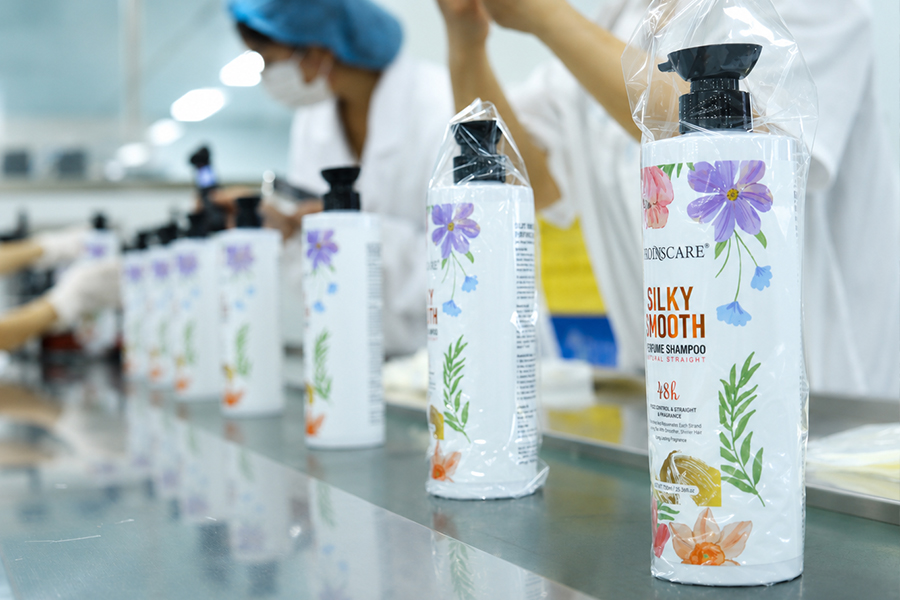
Packaging Compatibility Testing
Even an attractive package can fail if it does not work with the formula. Packaging compatibility testing helps identify problems before mass production.
The actual shampoo should be evaluated in the intended bottle with its final pump or cap, label, and other relevant components. Testing should reflect the product’s expected storage and distribution conditions.
Important checks include:
- Leakage: Confirm that the bottle and closure remain secure during handling and transport.
- Pump output: Check whether the pump dispenses the right amount consistently.
- Closure fit: Make sure caps and pumps fit securely and operate correctly.
- Label adhesion: Check that labels remain attached under expected moisture and handling conditions.
- Formula interaction: Look for changes in the formula or packaging that may indicate incompatibility.
- Bottle deformation: Check whether the container changes shape under relevant storage or handling conditions.
Compatibility testing is different from simply checking whether a formula remains stable. The formula and its commercial packaging must work together.
Ask your shampoo bottle manufacturer about sample availability and testing support. Approve the complete package before mass production, especially if you change the bottle material, pump, closure, or decoration.
Packaging Mistakes Brands Should Avoid
A few common mistakes can create unnecessary costs and delays.
1. Choosing by appearance alone: A beautiful bottle is not useful if it leaks or is difficult to dispense. Check function as well as appearance.
2. Ignoring viscosity: A pump that works with thin shampoo may not perform well with a thicker formula. Test the actual product.
3. Confirming the pump too late: Select and evaluate the closure during packaging development rather than waiting until production is approaching.
4. Ignoring packaging MOQ: Bottles, pumps, labels, and printing may have different minimum order quantities. Confirm them early to avoid unexpected inventory costs.
5. Skipping compatibility testing: Never assume that a bottle and closure will work simply because each component looks suitable on its own.
Planning these details early makes custom shampoo packaging easier to manage and helps reduce avoidable production problems.
How LocRoyal Supports Custom Shampoo Packaging
Choosing packaging can be easier when your manufacturer can coordinate product development, containers, closures, decoration, and production.
LocRoyal offers hair care OEM/ODM and private-label services, including packaging customization for bottle shape, volume, pumps, caps, labels, printing, and retail packaging. You can discuss your product and packaging requirements through the LocRoyal private label shampoo page.
Foshan BonnieCo Biotechnology Co., Ltd. (BonnieCo Group) Self-Owned Factory Own Brands Global Certifications 15 Years of Smart Beauty Manufacturing.
The group operates three core business divisions:
- Guangzhou LocRoyal Cosmetics Co., Ltd.: Hair care OEM and self-owned brands, including PROINSCARE and PURC.
- Guangzhou BonnieCo Cosmetics Co., Ltd.: Skin care and color cosmetics OEM, with self-owned brands including SenseInsCare and Jellyprim.
- Foshan production base: A 50,000㎡ self-owned manufacturing facility.
When planning a new product, share your formula, preferred bottle size, closure, design direction, target market, and estimated quantity. This helps the team assess suitable packaging options for your project.
Conclusion
The right shampoo packaging balances product protection, convenience, brand identity, and cost. Start by choosing a suitable bottle material, then match the pump or cap to the formula and intended use. Select the right size for your sales channel and compare labels, printing methods, and minimum order quantities before confirming the design.
Most importantly, test the complete package with the actual formula before mass production. By planning these details early and working closely with your manufacturer, you can develop custom shampoo packaging that supports your product, serves your customers, and reflects your brand’s positioning.