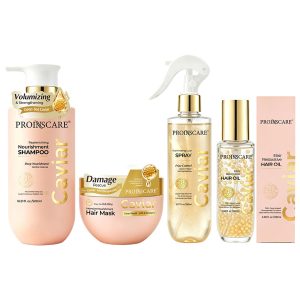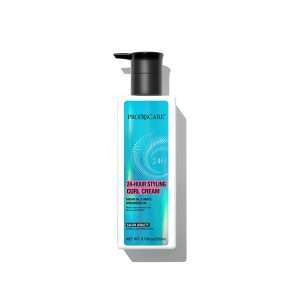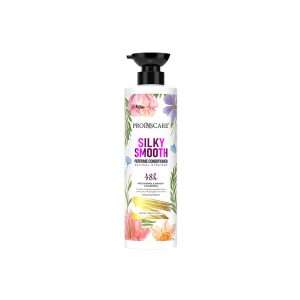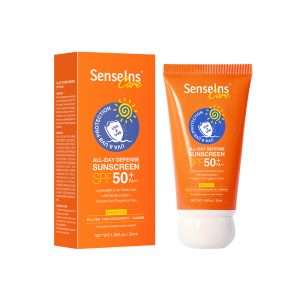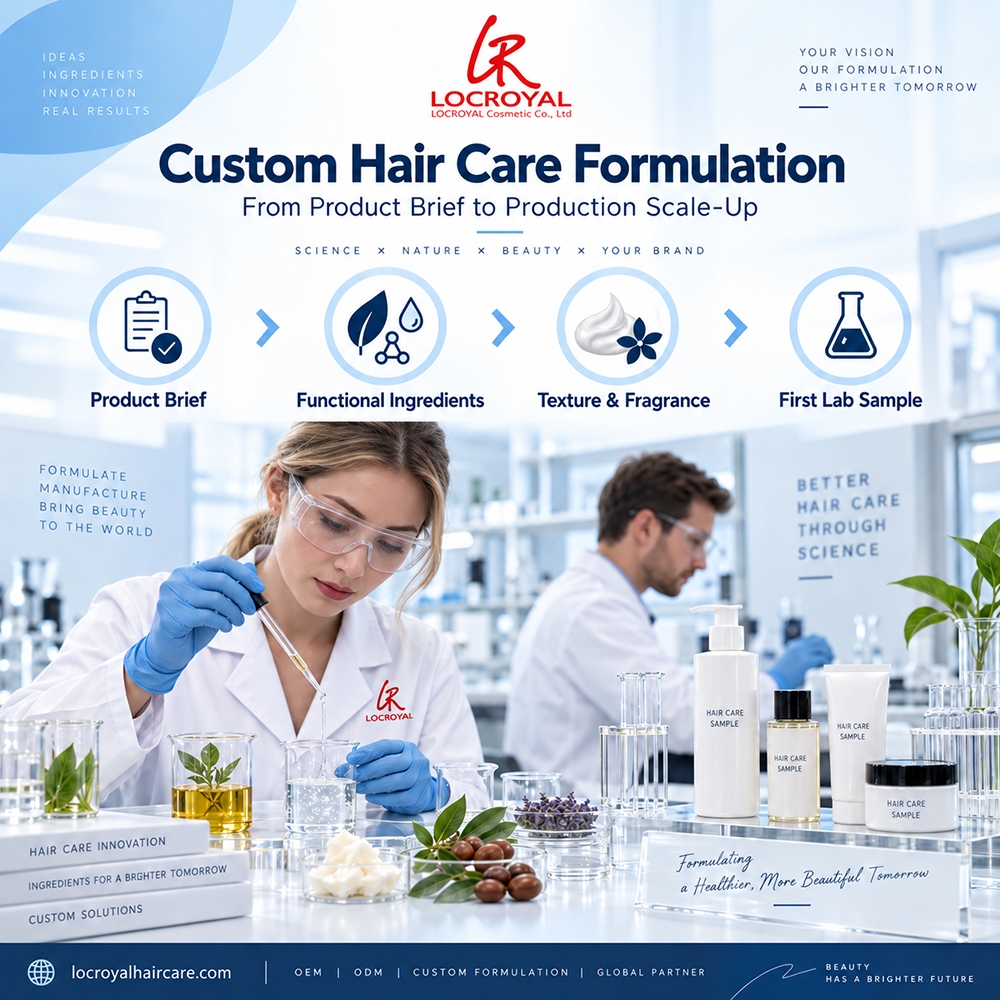
Creating a successful hair care product takes more than choosing a few popular ingredients. A professional product needs to match the brand’s goals, target customers, performance expectations, packaging, and production requirements.
That is why a clear custom hair care formulation process is important. From the first product brief to formula sampling, testing, approval, and production, each stage helps turn an idea into a market-ready product.
For brands working with an OEM manufacturer, hair care formula development, hair care R&D, packaging, testing, and manufacturing can all be connected in one process.
So, what happens between the first product idea and the finished product? Let’s look at each step.
What is the Custom Hair Care Formulation Process?
The custom hair care formulation process is the step-by-step development of a hair care product from concept to mass production. It normally includes product briefing, ingredient selection, formula development, laboratory samples, feedback, revisions, stability testing, packaging compatibility testing, final approval, and formula scale-up.
For OEM hair care formulation, the goal is not simply to create a formula that looks good in a laboratory. The formula must also be suitable for manufacturing and packaging. A well-planned process can help brands reduce unnecessary revisions and create a product that matches their intended market.
Start With a Clear Product Brief
Every successful hair care formula development project should begin with a clear product brief.
The brief tells the R&D team what the brand wants to create and who will use it. For example, a brand developing a shampoo should identify its target hair type, cleansing level, desired conditioning effect, fragrance, texture, packaging, and product positioning.
For custom shampoo formulation, the brief may specify whether the product is designed for dry, oily, damaged, curly, or color-treated hair.
A product brief can include:
- Product type and format
- Target consumer and hair type
- Desired benefits
- Preferred or restricted ingredients
- Texture and viscosity
- Fragrance direction
- Color and appearance
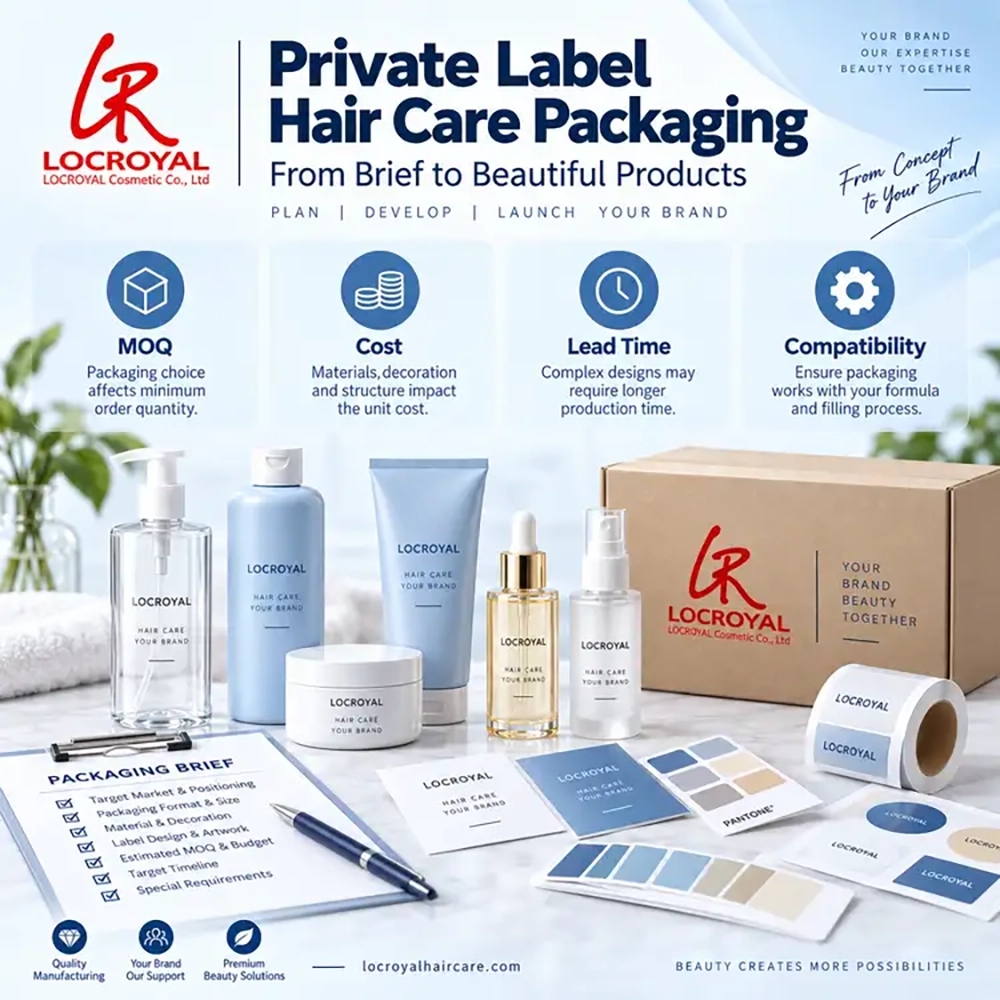
- Packaging format
- Target market
- Product claims
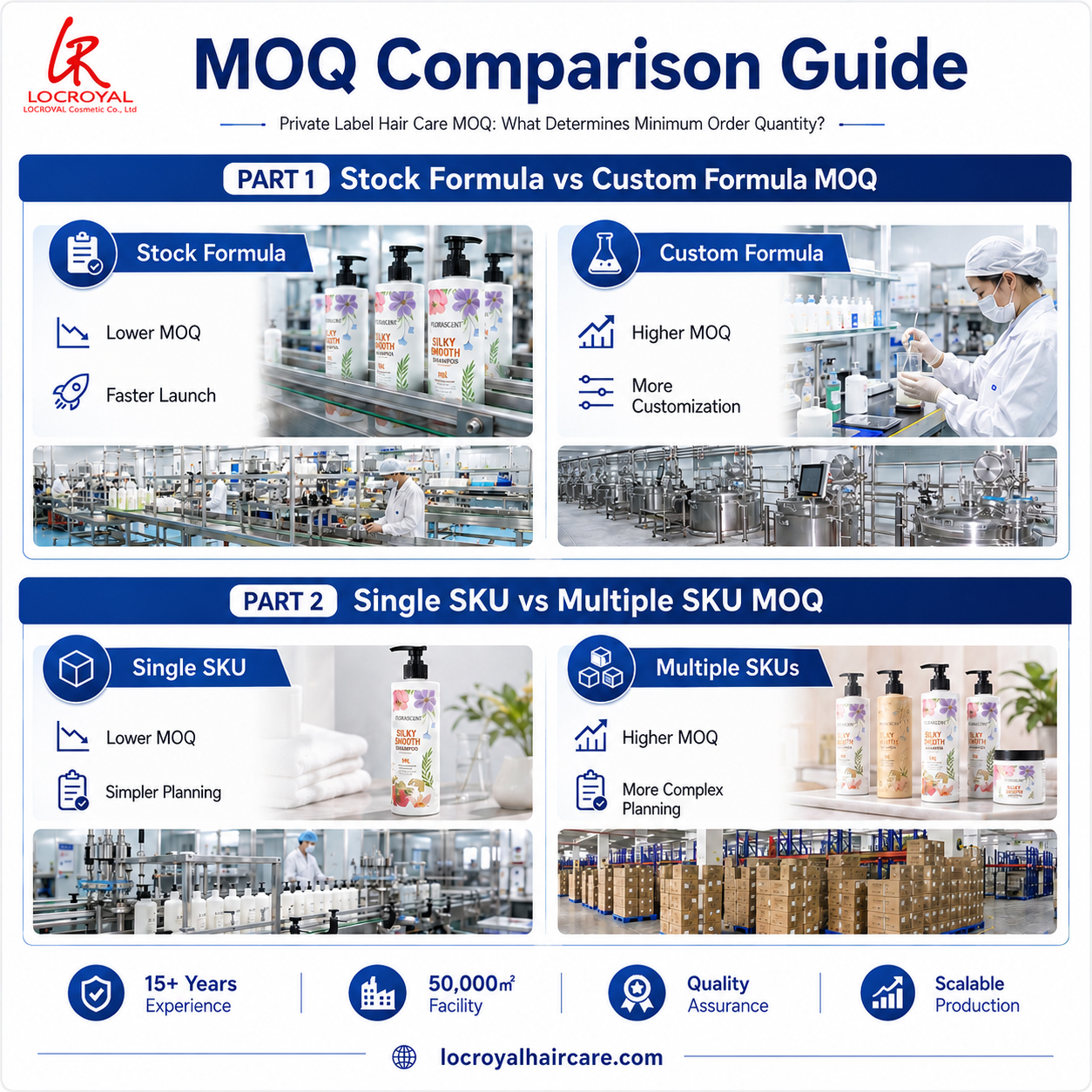
- Expected production volume
The clearer the brief, the easier it is for hair care R&D to develop a formula that fits the brand.
Choosing Functional Ingredients and Formula Structure
Once the product brief is ready, the formulation team can select suitable ingredients and build the formula structure. This is where professional hair care R&D becomes important. Ingredients need to work together and support the desired product performance.
For example, a shampoo may require a cleansing system, conditioning ingredients, viscosity control, preservation, fragrance, and other functional ingredients. During custom shampoo formulation, the R&D team may adjust the balance of cleansing and conditioning ingredients depending on the target product.
The formula may also need to meet specific requirements for pH, viscosity, appearance, fragrance, preservation, and packaging compatibility. A good OEM hair care formulation focuses on creating a balanced formula that can eventually be reproduced consistently during production.
Developing Texture, Fragrance and Sensory Experience
What does a customer notice when using a hair care product?
Often, the answer is the overall sensory experience.
Texture, spreadability, foam, fragrance, rinse feel, softness, and after-feel all contribute to how customers experience a product. This makes sensory development an important part of hair care formula development.
Two shampoos can provide similar basic functions but feel completely different during use. One may have rich foam, while another may feel creamy or more conditioning. During hair care R&D, the formulation team can adjust the formula to achieve the brand’s preferred sensory profile.
Fragrance is also important for brand identity. The product may need a fresh, floral, fruity, woody, clean, or subtle fragrance depending on its positioning.
First Lab Sample Development
After the formula concept is established, the R&D team prepares the first laboratory sample.
This is the formula sampling stage. A small batch is created so the brand can physically evaluate the product. The first sample is usually a development version rather than the final formula. It allows the brand and manufacturer to identify areas that need improvement.
For custom shampoo formulation, the first sample might need changes to its thickness, foam, fragrance intensity, cleansing performance, or conditioning feel. The same process can be used for conditioners, hair masks, hair oils, serums, and styling products.
A professional custom hair care formulation process treats the first sample as part of development rather than assuming it is immediately ready for mass production.

Sample Evaluation, Feedback and Formula Revision
Once the sample is received, the brand should compare it with the original product brief.
Specific feedback makes hair care formula development more efficient. Instead of saying that a product “doesn’t feel right,” explain what should change. For example, the brand may want a thicker texture, a lighter fragrance, more foam, or a softer rinse feel.
| What Brands Evaluate | Examples |
|---|---|
| Appearance | Color, clarity |
| Texture | Thickness, spreadability |
| Fragrance | Type, intensity |
| Performance | Cleansing, conditioning |
| Sensory Feel | Rinse feel, softness |
| Positioning | Claims & market fit |
The manufacturer can then use this feedback for another round of formula sampling and hair care R&D when required. Keeping track of formula versions is also important. Each revision should be clearly identified so the brand and manufacturer know which sample is being evaluated.
Stability and Packaging Compatibility Testing
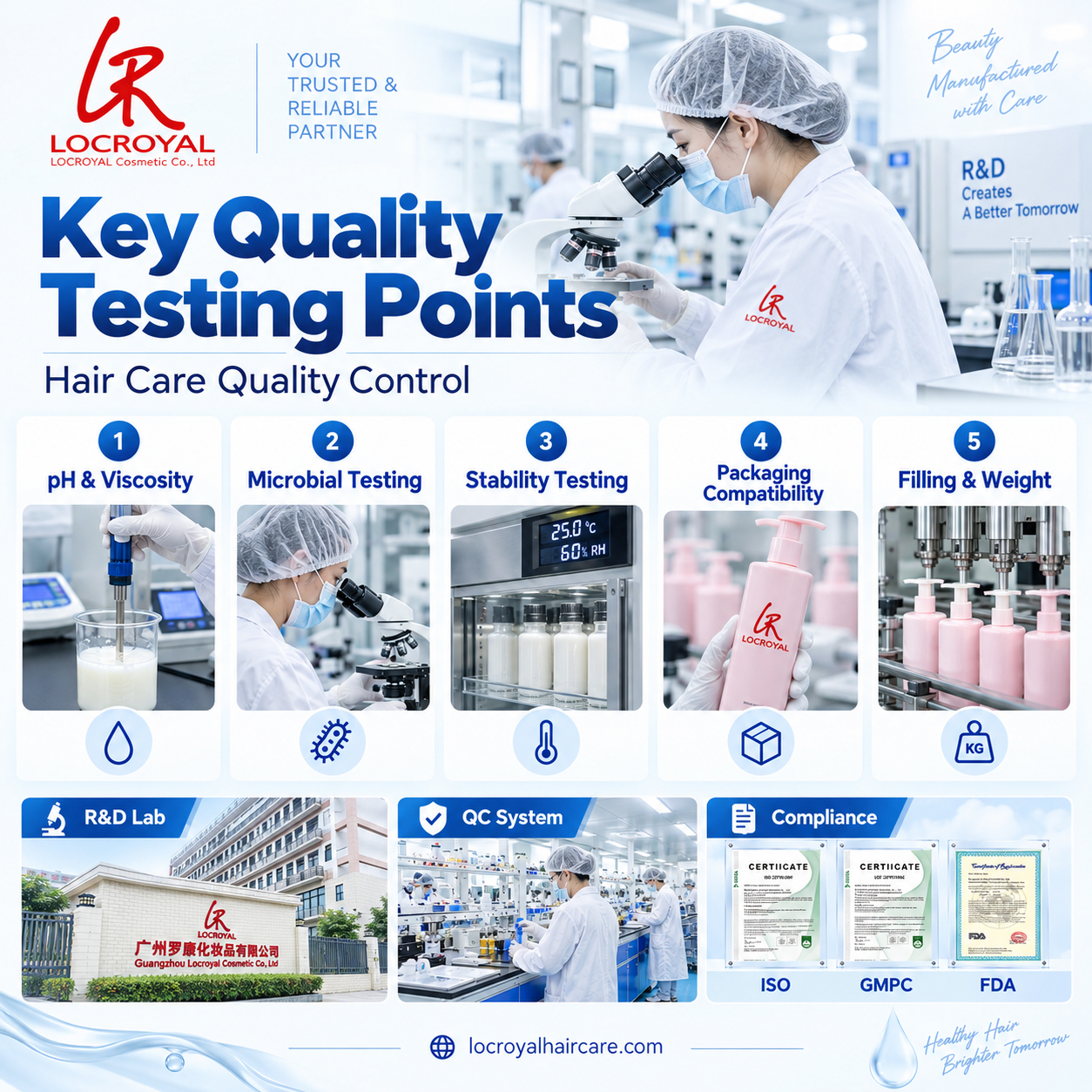
A formula may look and feel excellent in the laboratory, but it still needs appropriate testing before commercial production. Stability testing helps evaluate whether a cosmetic product maintains its required characteristics during storage and other relevant conditions.
Testing can consider changes in areas such as appearance, odor, texture, pH, viscosity, and microbiological quality, depending on the product. Packaging compatibility is also important. The formula and packaging work together as one finished product. The container, closure, pump, tube, or other components need to be suitable for the formula.
For OEM hair care formulation, considering stability and packaging before mass production can help identify potential problems early.
Final Formula Approval & Specification Lock
After development and testing are completed, the brand can approve the final formula. This stage creates a controlled reference for manufacturing.
The final specifications may include:
- Formula version
- Appearance and color
- Fragrance
- pH
- Viscosity
- Packaging components
- Fill quantity
- Quality-control requirements
This specification lock is especially important for formula scale-up. The production team needs a clear reference for what the finished product should look and feel like. It also helps reduce the risk of unauthorized changes during manufacturing.
Pilot Batch & Scale-Up from Lab to Mass Production
Moving from a laboratory sample to mass production is a major step.
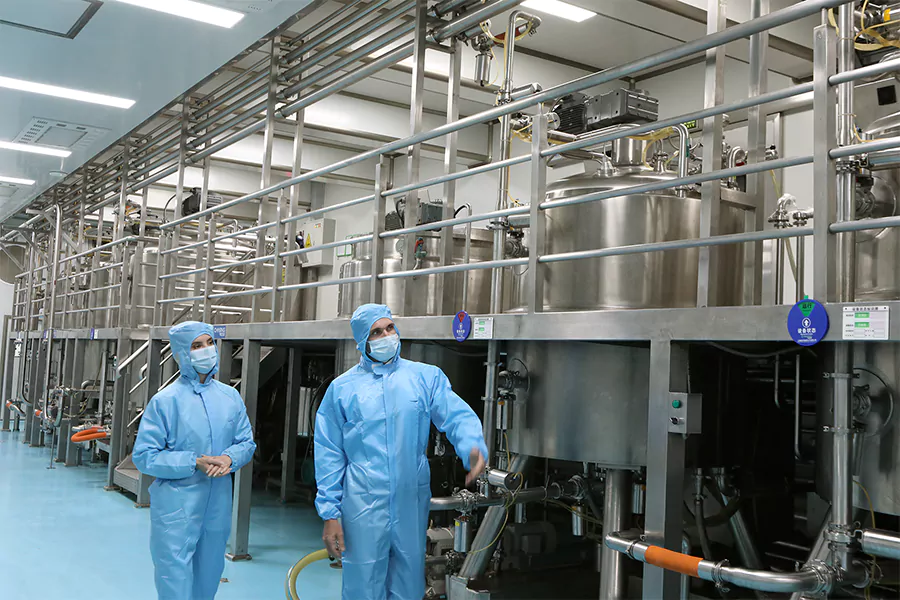
Formula scale-up is more than simply multiplying the ingredients. Laboratory equipment and factory equipment operate at different volumes and conditions. Mixing speed, heating, cooling, processing time, and manufacturing equipment can affect the final product.
For this reason, pilot production can help confirm that the approved formula performs consistently at a larger manufacturing scale.
LocRoyal states that its manufacturing operation includes a 50,000㎡ production facility and multiple production lines for hair care manufacturing. The company also describes standardized production and quality-control procedures across raw materials, formula preparation, filling, packaging, and finished products.
A strong connection between hair care R&D and manufacturing helps ensure that the formula developed in the laboratory can be reproduced consistently at production scale.

Common Hair Care Formulation Mistakes Brands Should Avoid
Even with an experienced OEM partner, brands can make the development process more difficult by overlooking important details.
Starting without a clear product brief: Without a defined target customer, texture, fragrance, benefits, and positioning, development can become inefficient.
Choosing ingredients before defining the product: Start with the desired product result, then select suitable ingredients.
Giving vague sample feedback: Specific feedback about cleansing, conditioning, fragrance, texture, and sensory feel is much more useful.
Ignoring packaging: Packaging should be considered during development rather than only after the formula is finished.
Skipping testing: A successful laboratory sample does not automatically mean the product is ready for commercial manufacturing.
Failing to control formula versions: Each revision should be documented so everyone is working with the correct formula.
A structured custom hair care formulation process keeps these details under control from the beginning.
How LocRoyal Supports Custom Hair Care Formulation
Brands looking for integrated private label hair care solutions can work with LocRoyal for product development and manufacturing services.
Foshan BonnieCo Biotechnology Co., Ltd. (BonnieCo Group), Self-Owned Factory · Own Brands · Global Certifications · 15 Years of Smart Beauty Manufacturing
The group operates three core business divisions:
- Guangzhou LocRoyal Cosmetics Co., Ltd.: Hair care OEM and self-owned brands including PROINSCARE and PURC.
- Guangzhou BonnieCo Cosmetics Co., Ltd.: Skin care and color cosmetics OEM and self-owned brands including SenseInsCare and Jellyprim.
- A 50,000㎡ self-owned production base in Foshan.
LocRoyal provides OEM/ODM hair care services covering areas such as custom formulation, fragrance and texture development, packaging, production, and quality control. Its product categories include shampoos, conditioners, hair masks, hair oils, styling products, and other hair care formats.
This integrated approach allows brands to connect hair care formula development, formula sampling, testing, packaging, and formula scale-up within one manufacturing process.
10 FAQs About Custom Hair Care Formulation
1. What is a custom hair care formulation process?
The custom hair care formulation process takes a product from the initial brief through ingredient selection, formula development, sampling, testing, approval, and production.
2. How does custom shampoo formulation work?
Custom shampoo formulation begins with the target hair type, product benefits, texture, fragrance, performance, and packaging requirements.
3. How many formula samples are needed?
There is no fixed number. Some products require only a few revisions, while more complex hair care formula development projects may require additional samples.
4. What does hair care R&D include?
Hair care R&D can include ingredient selection, formula design, texture development, fragrance development, formula sampling, testing, and production preparation.
5. Why is stability testing important?
Stability testing helps evaluate whether a cosmetic product maintains suitable characteristics under relevant storage conditions.
6. What is OEM hair care formulation?
OEM hair care formulation involves developing and manufacturing hair care products for a brand. Services can include formulation, packaging, production, and quality control.
7. Why is packaging compatibility testing needed?
The formula and packaging need to work together throughout the product’s intended life. Compatibility testing can help identify potential packaging-related issues.
8. What happens during formula scale-up?
During formula scale-up, an approved laboratory formula is transferred to larger manufacturing equipment and production conditions.
9. Does LocRoyal offer custom hair care formulation?
Yes. LocRoyal provides custom formulation and OEM/ODM hair care manufacturing services, including product development, packaging, and production.
10. Can brands get complete private label hair care solutions?
Yes. LocRoyal offers private label hair care solutions covering product development and manufacturing support from formulation through production.
Conlusion
A professional hair care product is developed through a series of connected stages: product brief → ingredient selection → formula development → formula sampling → evaluation → revision → stability testing → packaging compatibility → final approval → pilot production → formula scale-up.
Each stage allows the brand to check whether the product still matches its original goals.
For brands developing shampoos, conditioners, hair masks, oils, or other products, professional hair care R&D and OEM hair care formulation can provide the technical foundation needed to move from an idea to a production-ready formula.
Have a hair care product idea ready? Contact us today, share your product brief, and start your custom formulation journey from first sample to full-scale production.