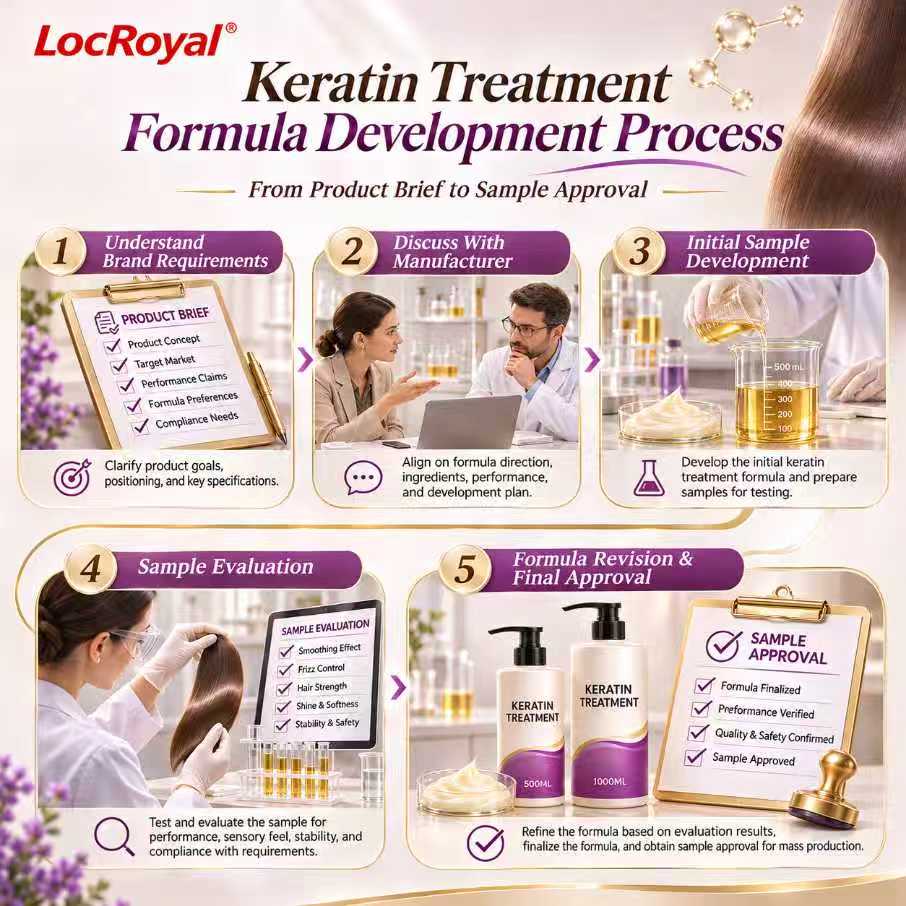
Creating a successful keratin treatment involves more than just picking an item name and picking a couple of ingredients. Each hair brand will have its own specific objectives, customer expectations, and market needs. Some brands prefer a salon treatment; others prefer a product that treats frizz, smoothness, shine, or hair manageability.
This is why keratin treatment formula development should begin with a clear product brief and close cooperation between the brand and manufacturer.
Brands would be better off discussing their needs, checking formulation options, sampling, and approving the final product before going straight into bulk production. In this guide, we will outline the process of developing a product and what information you will need to get ready, and how to get from initial idea to sample approval from a keratin treatment manufacturer.
1. Understanding the Brand’s Formula Requirements
The manufacturer should have a clear idea of what the brand wants to formulate first, so that they can create a custom keratin treatment formula. Clear product direction helps you to prevent changes that you don’t need, and makes the development process more efficient.
Intended Product Use
First, determine the reason for your keratin treatment. Is it intended for salon use, frizz control, smoothing, conditioning, or to make damaged hair look better? The formulations, instructions, and expectations of the products may vary from purpose to purpose.
For instance, a salon-only treatment might require a different application than one that can be used at home.
Target Customer and Market
The type of formula you are creating is also based on your target customer. Think about who you are selling your product to: salon professionals, end users, distributors, or upscale hair care stores. Another name for the destination market should be known as well. There may be differences between countries in terms of ingredient restrictions, safety requirements, labeling requirements, and product claims.
Providing this information early will assist your keratin treatment manufacturer to better determine the project.
Desired Product Texture
Visualize your final product in terms of its appearance and texture. Do you like creamy or smooth, lotion-like, or another format? Texture can affect the application and dispensing, and even customer experience. Previously, preferences should be discussed during the custom keratin treatment development.
Fragrance and Formulation Preferences
A second key factor in product identity is fragrance. A fresh, floral, fruity, or salon-type fragrance, or a fragrance-free one, may be preferred. There is also the ability to specify ingredient preferences, requested exclusions, and other formulation expectations.
The idea is to provide the manufacturer with all of the details of your idea before sample development begins.
2. Discuss Formula Requirements With the Manufacturer
Once you have your product requirements in mind, the next step is to let your manufacturer know. In this stage, your ideas get translated into development instructions that can be put into practice. A professional discussion on developing the keratin treatment formula will take into account product function, formulation preferences, technical feasibility, and target market requirements.
Reviewing the Product Brief
Your product brief should contain what it’s going to be used for, who your customer is, what market you are targeting, what benefits you are looking to provide, what texture your customer would like, and fragrance and packaging preferences. This information is used by the manufacturer to gain understanding of the project and help determine if any information is missing.
If you are not sure what you need, the development team might have to gather more information before they can put together an appropriate proposal.
Discussing Formulation Preferences
Next, talk about the type of formula that you want to use. You might already have a product sample, a product you’re interested in, a list of ingredients you want, or just an idea of what you are looking for.
A custom keratin treatment formula may be created based on agreed targets for the product; not everything that is requested or that can be created technically is necessarily going to be technically suitable. Before moving forward, the manufacturer should lay out the options and any restrictions.
Evaluating Product Development Feasibility
Budget, order quantity, packaging, ingredients, and destination-market requirements can all affect feasibility. For example, a highly customized formulation may require more development time than adapting an existing product option.
Discussing these points early helps both parties agree on a realistic development plan and reduces misunderstandings later.
3. Keratin Treatment Sample Development
Once the requirements of the project are discussed, the project enters the sample development phase. This is a crucial step as it allows the brand to have a physical product to test, not just descriptions and ideas.
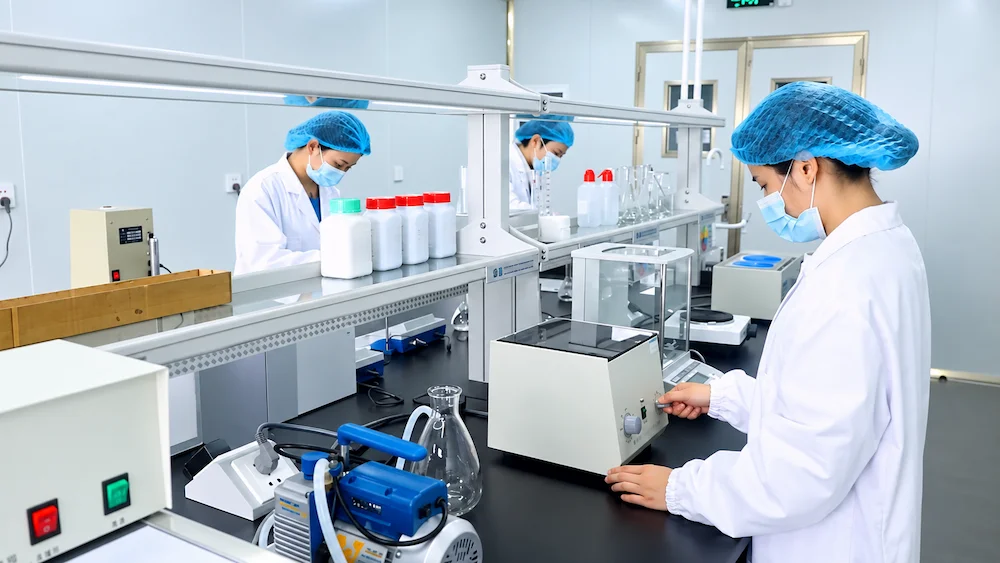
Keratin treatment sample development helps to decide if the proposed formulation is in accordance with the original product brief.
Initial Sample Preparation
The manufacturer tries to make a first sample according to the agreed requirements. The sample should be as close to the product concept and agreed preferences as possible. It provides the brand with an opportunity to test if the direction proposed is appropriate or not and ask for additional adjustments.
Formula and Product Characteristics
As for the first sample, try to think about its appearance, feel, smell, consistency, and the experience you would have while using it.
Take into account if the product is suitable for the purpose stated in your original brief.
Don’t base your judgment of a keratin treatment formula on aesthetics. Appropriate evaluation and testing of product performance, safety, stability, and suitability for intended use should also be carried out.
For professional smoothing products, safety deserves particular attention. The U.S. FDA and OSHA warn that some hair-smoothing products can contain or release formaldehyde when heated. Brands should therefore review ingredients, safety information, exposure risks, and applicable market requirements before approving a product.
Sample Presentation
The manufacturer should give the sample sufficient information for meaningful evaluation to be made. This may consist of product identification, general specifications, instructions for use, and any applicable safety information, and varies with the project being undertaken.
If you have particular evaluation requirements, then communicate them prior to the sample being prepared.
4. How to Evaluate Keratin Treatment Samples
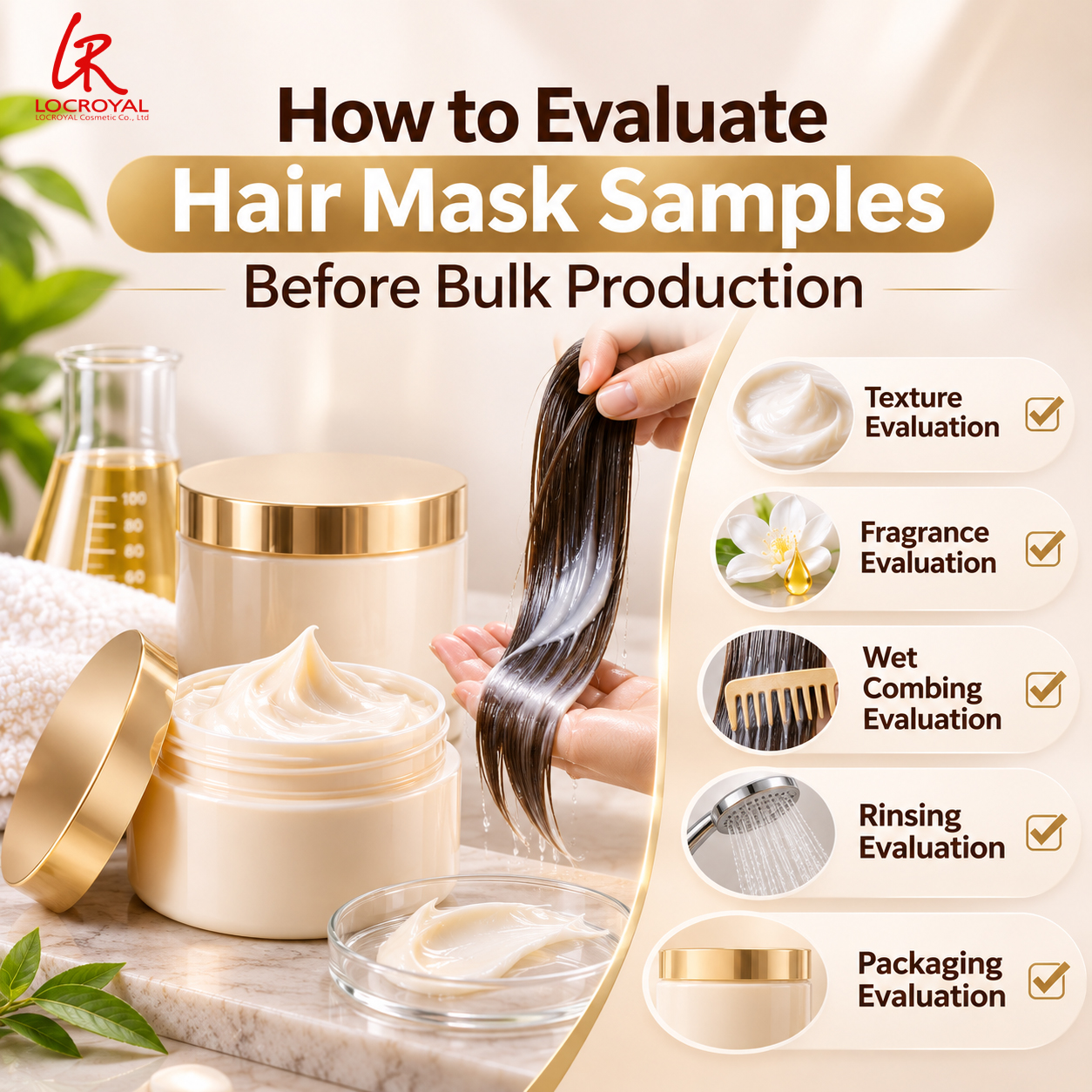
Taking a sample is not the end of the process. Brands must have clear parameters for evaluating products to determine whether they should be approved or if they should be developed further. It is easier to manage keratin treatment formula development with a structured review.
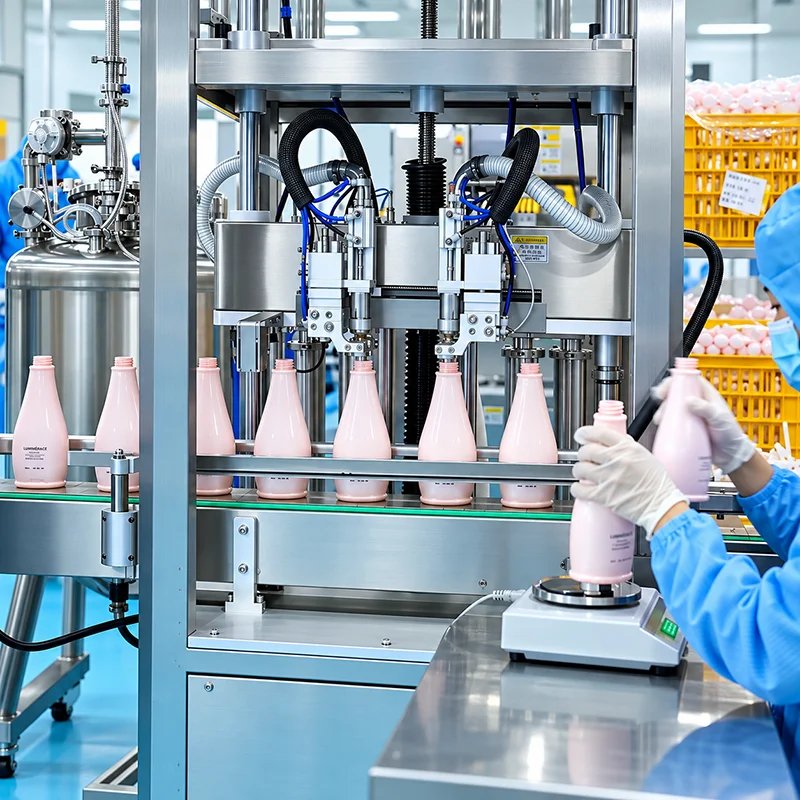
Product Appearance and Texture
Examine the sample for color, consistency, and general appearance. Pay attention to any cracks, irregularities, or gaps that are visible. Check the sample versus your original product brief and reference products.
Fragrance Evaluation
Consider if the scent is in keeping with the positioning of your brand. Take into account its overall aroma, strength, and adaptability to your potential audience. If it is too intense, not intense enough, or doesn’t smell like you thought it would, write it down.
Application Experience
Examine and assess the application following the manufacturer’s directions and product use. With a professional treatment, the ease of application, manageability, and the experience of the treatment should be taken into account in the assessment to see if the treatment meets the agreed criteria or not.
Performance claims should only be approved if there is suitable testing to back them up.
Packaging Compatibility
The product must also be compatible with the packaging. Test to ensure the consistency is appropriate for the bottle or container chosen, and that the cap, pump, or dispensing mechanism is functional.
Packaging compatibility should be checked before final sample acceptance and not at the time of bulk order.
5. Sample Feedback and Formula Revision
So, if the first sample isn’t what you are expecting? It’s a regular aspect of custom formula development. The idea behind sample revision is to make improvements in the product based on explicit feedback, not to go through a number of changes without a clear path of direction.
Providing Clear Feedback
Rather than stating that the sample is not right, specify what needs to be improved.
For example:
- The fragrance is stronger than expected.
- The texture should be slightly thicker.
- The product appearance should be closer to the reference sample.
- The application experience needs further evaluation.
- The packaging should be easier to dispense.
Specific comments help the manufacturer understand what needs attention.
Identifying Areas for Improvement
Separate your feedback into essential requirements and optional preferences.
Some of the essential requirements may be product safety, agreed specifications, and market compliance. May have optional preferences such as fragrance strength, color, or some sensory characteristics. This allows prioritizing revisions during custom keratin treatment development.
Reviewing Updated Samples
The manufacturer might make an altered sample for re-evaluation after considering the feedback. Check how the new sample matches up to the old one, and determine if the necessary changes have been made.
One record of feedback should be kept to avoid unnecessary sampling rounds, and everyone involved should be reviewing the same product requirements.
6. Final Sample Approval and Specification Confirmation
When the sample is agreed to, the project moves towards final approval. This step is crucial, since the approved sample will serve as the reference for the product to be made for bulk production.
Approved Sample Reference
Document details of the approved sample, such as identification, versions, and approval date. Brand and manufacturer MUST know which sample is the final agreed product. This prevents confusion in the event that multiple samples have been assessed during development.
Final Formula Specifications
The final product specifications and related technical information should be verified by the manufacturer and brand.
Depending on the project, this may include:
- Final formula identification and ingredient information.
- Product appearance and texture.
- Fragrance and color.
- Agreed product specifications.
- Relevant testing and safety documentation.
- Storage and application instructions.
Any change of formula following approval should be discussed and reviewed and not introduced without agreement.
Packaging and Label Confirmation
There should also be packaging details to be finalized. Verify the type, size, color, closure, label design, print information, and exterior packaging. Check ingredient list, instructions, cautions, and other product information labels based on the end-user country.
The final packaging review is to ensure the product concept and product display are consistent.
7. Preparing for Bulk Production
Once the sample is approved, the project is in the preparation phase for bulk production. The emphasis of this section is on order and documentation, not on actual manufacturing steps. By doing a good preparation, misunderstandings can be avoided when the project progresses.
Confirming the Final Product
Appropriate records should be made of the approved sample, formula specification, product requirements, and pertinent testing information. Both parties to ensure using the same approved version of the product.
Confirming Packaging and Order Requirements
When placing orders for the first time, customers are required to confirm the packaging requirements. Then, verify order quantity, packaging, label artwork, product specifications, and other agreed commercial information. If there are any special requirements, these should be recorded before the order.
Preparing Production Documentation
Supporting documents can range from product specifications and ingredient information to safety documents, tests, packaging approvals, and quality requirements, depending on the project and the destination market.
The brand and manufacturer should also define the responsibilities for any compliance efforts on a market-specific level. With these facts confirmed, the project is better equipped to enter the manufacturing phase.
Conclusion
Successful keratin treatment formula development depends on clear communication, careful sample evaluation, and cooperation between the brand and manufacturer.
Whether it’s the initial product brief or the formulation preferences, creating samples, gathering feedback, or finalizing the specifications, each step contributes to the transformation of an idea into a product that is prepared for the next phase.
LocRoyal offers hair care companies the opportunity for product requirement discussions, formulation coordination, sample development, packaging customization, and OEM/ODM project support.
Foshan BonnieCo Biotechnology Co., Ltd. (BonnieCo Group): Self-Owned Factory · Own Brands · Global Certifications · 15 Years of Smart Beauty Manufacturing.
The group operates three core business divisions:
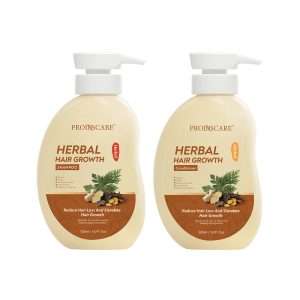
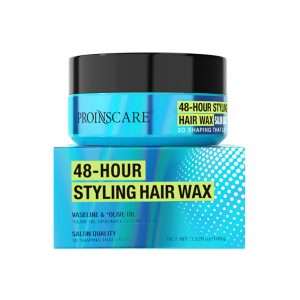
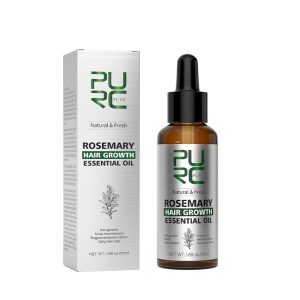
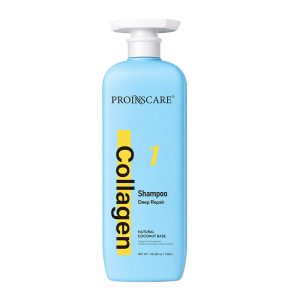
- Guangzhou LocRoyal Cosmetics Co., Ltd.: Hair care OEM and self-owned brands, including PROINSCARE and PURC.
- Guangzhou BonnieCo Cosmetics Co., Ltd.: Skin care and color cosmetics OEM, including SenseInsCare and Jellyprim.
- Foshan production base: A 50,000㎡ self-owned manufacturing facility.
Selecting the right development partner is crucial when you’re looking to create a new salon treatment or add a new product line to your hair care business. Explore LocRoyal’s Custom Keratin Treatment Manufacturing services to discuss your product concept, formula preferences, and packaging requirements.
Having a product brief and having an organized approval process, you can go ahead and start developing a keratin treatment that suits your brand and target market.