Introduction
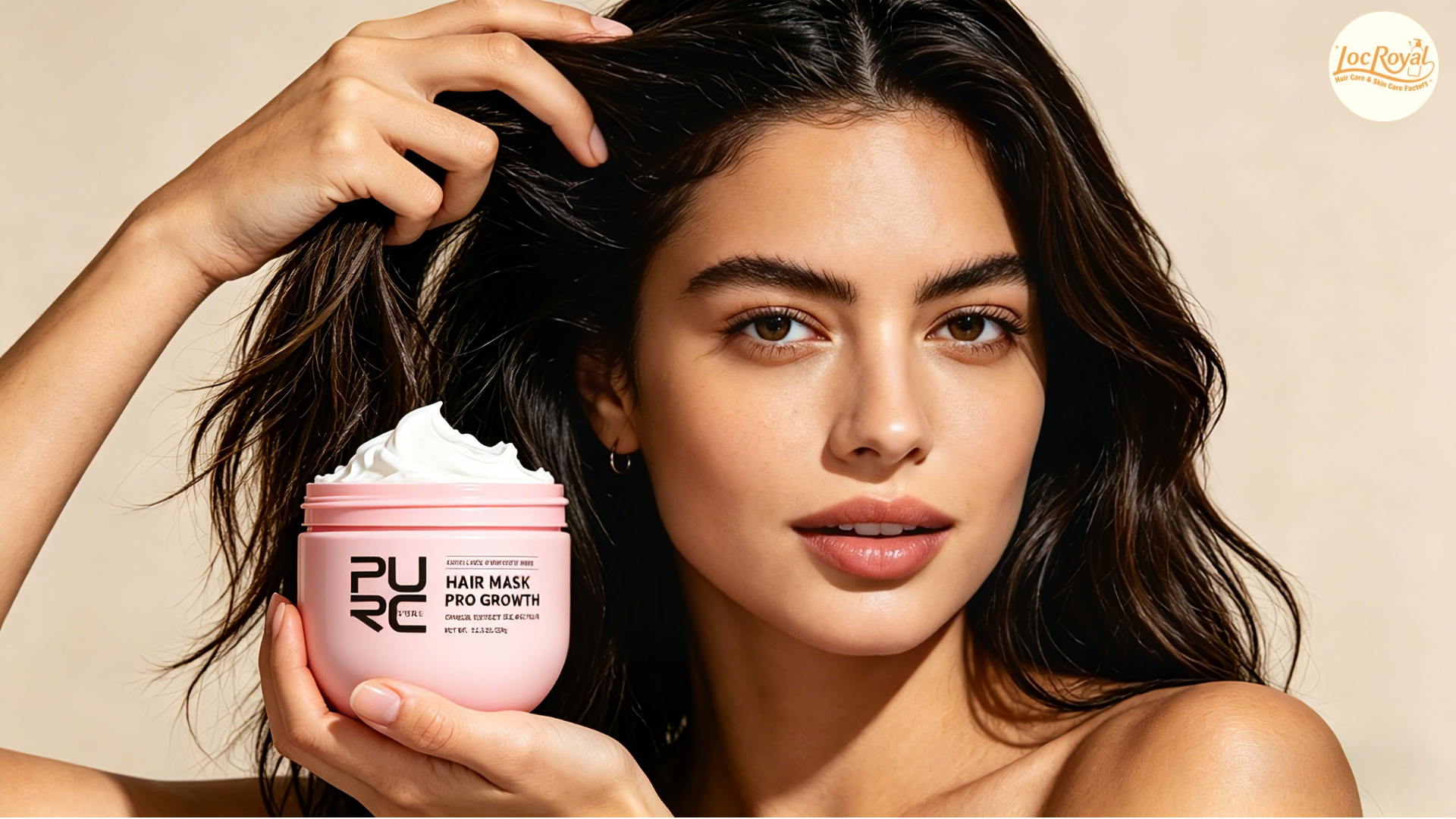
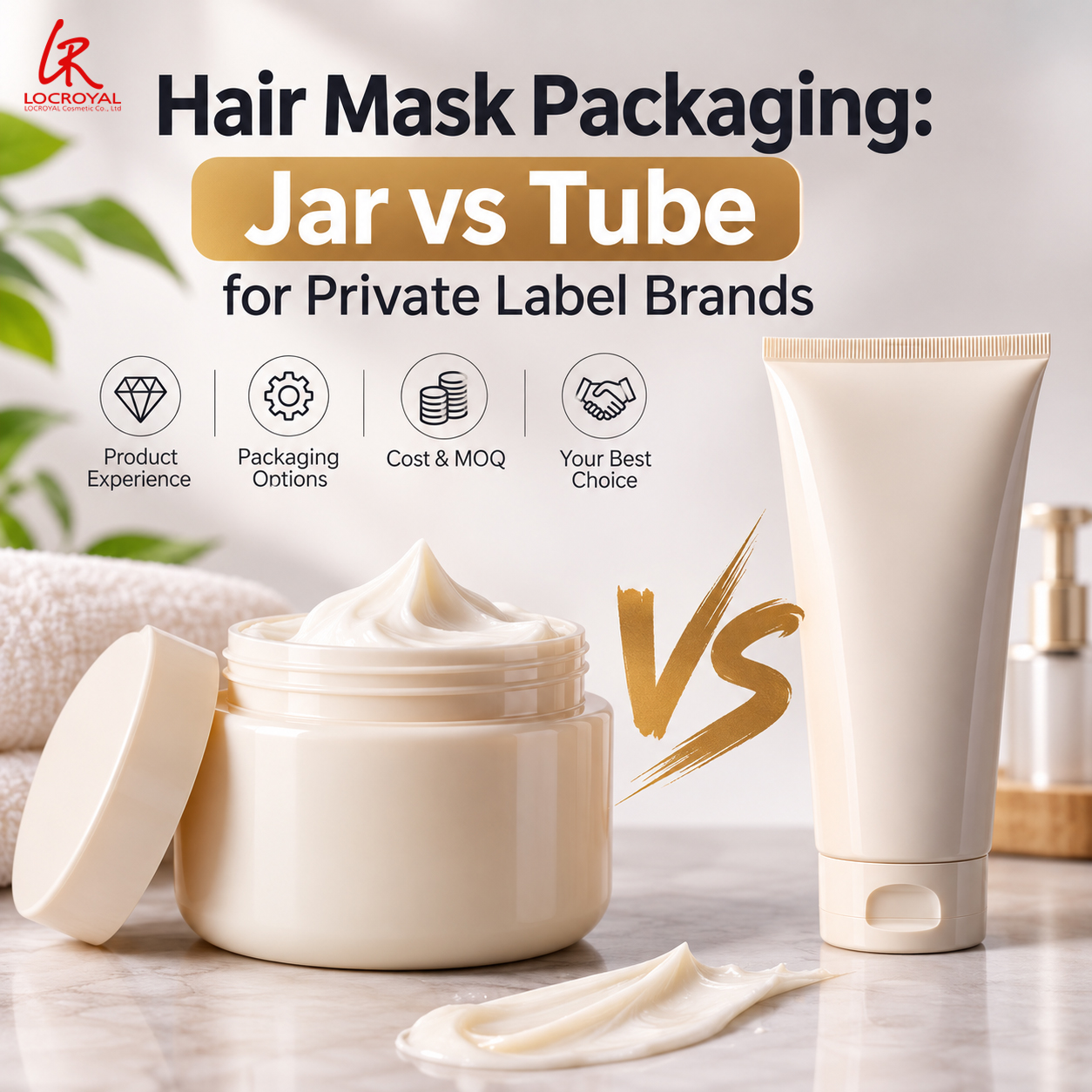
When developing a hair mask, private label brands often face an important choice: should they use a wide-mouth jar or a squeezable tube? Both formats have advantages, but the right option depends on formula thickness, customer habits, sales channels, packaging costs, and brand positioning.
This guide compares hair mask jar packaging and hair mask tube packaging, covering materials, usability, printing, compatibility, and purchasing considerations. Understanding these differences can help brands choose packaging that looks attractive and works well in everyday use.
Why Hair Mask Packaging Requires Special Attention
Hair masks are usually thicker than standard shampoos and often have a rich cream or paste-like texture. Their packaging must allow customers to access and dispense the product without unnecessary difficulty.
Good hair mask packaging should also protect the formula, provide a secure closure, and remain practical in humid bathroom environments. Unlike a thin liquid, a thick treatment may not flow easily through a narrow opening.
Packaging also influences brand positioning. A premium jar can create a different impression from a compact tube. Therefore, cosmetic hair mask packaging should balance product protection, convenience, and visual appeal.
Hair Mask Jar Packaging: Advantages and Limitations
Jars are popular for rich hair treatments because their wide openings make the product easy to reach. They also provide plenty of space for branding and different decorative finishes.
Easy Access for Thick Hair Mask Formulas
A wide opening allows customers to scoop out thick creams and paste-like masks using their fingers or a cosmetic spatula. It can also make the product’s color and texture visible when transparent packaging is selected.
For formulas that are difficult to squeeze, hair mask jar packaging can offer a more convenient application experience.
Premium Appearance and Larger Sizes
Jars are available in transparent, frosted, and opaque finishes. Different shapes, colors, and lid designs can help brands create a distinctive appearance.
They are also suitable for larger retail and salon sizes. Brands developing custom hair mask containers can explore different jar capacities and decoration options to match their product range.
Practical Limitations of Hair Mask Jars
Jars allow direct access to the contents, which means repeated finger contact is possible. Using a spatula may reduce this contact, but hygiene depends on actual usage and packaging design.
Water and product residue around the lid can also affect bathroom usability. Inner seals, liners, and secure outer caps should be considered. Jar weight and shipping volume are additional factors when planning logistics.
Hair Mask Tube Packaging: Advantages and Limitations
Tubes offer a convenient alternative to jars. Customers squeeze the container to dispense the product, making this format suitable for many retail, travel, and trial-size products.
Controlled Product Dispensing
A tube allows customers to control the amount dispensed by squeezing. It can also reduce direct contact with the remaining product inside the container. The dispensing experience depends on tube flexibility, opening size, formula viscosity, and cap design. These details should be tested with the actual hair mask.
Travel and Retail Convenience
Tubes are generally easy to carry and store. Smaller formats can work well for travel kits, promotional products, and trial sizes. For brands looking for practical hair mask tube packaging, tubes also provide space for logos, product details, and decorative printing.
Limitations for Very Thick Formulas
Very thick masks may be difficult to squeeze through a small opening. Customers may need to apply extra pressure, and some product may remain inside. Before choosing a tube, evaluate its flexibility, wall structure, opening size, and cap. The end seal should also remain secure during filling, storage, and transportation.
Hair Mask Jar vs Tube: Side-by-Side Comparison
Which format is more suitable for your product? This comparison highlights the main differences buyers should consider when selecting private label hair mask packaging.
| Feature | Hair Mask Jar | Hair Mask Tube |
|---|---|---|
| Product access | Wide opening | Controlled dispensing |
| Thick cream formula | Often convenient for scooping | Requires dispensing evaluation |
| User experience | Scoop or hand application | Squeeze application |
| Appearance | Suitable for premium jar concepts | Suitable for compact retail formats |
| Label design | Jar body and lid decoration | Tube surface decoration |
| Storage and shipping | Depends on shape and weight | Depends on tube structure and size |
| Packaging MOQ | Supplier-dependent | Supplier-dependent |
| Compatibility | Must be tested | Must be tested |
Neither option is universally better. The final choice depends on the formula, target customers, application method, and production requirements.

Choosing Hair Mask Packaging for Different Sales Channels
Your sales channel can help determine the most suitable format. Salon products, retail treatments, and travel-size masks have different packaging needs.
Professional Salon Hair Masks
Salon products are often used frequently, making larger containers practical. Jars can provide easy access to rich formulas and hold more product. When developing salon-focused hair mask packaging, consider handling, storage space, closure security, and repeated use.
Retail Hair Masks
Retail packaging should balance appearance, convenience, and product information. Jars can support premium positioning, while tubes offer a compact and easy-to-use option. For cosmetic hair mask packaging, choose a design that fits your brand identity and works well for shelf display and online sales.
Travel and Trial-Size Hair Masks
Smaller jars and tubes are suitable for samples, promotional sets, and travel products. Tubes may be especially convenient for customers who want portable packaging. Make sure the selected closure is easy to open and reseal.
Packaging Materials and Container Design
Materials affect appearance, flexibility, durability, and formula compatibility. Selection should be based on the complete package and actual product testing.
Plastic Jars and Caps
PP and PET are common materials in cosmetic packaging. PP is often used for practical, durable packaging, while PET is valued for its clarity and transparent appearance. The jar body and cap should fit securely. Their performance must also be evaluated with the actual hair mask formula.
Flexible Tube Materials
PE is commonly used for flexible cosmetic tubes. Some designs use multilayer or composite structures to provide particular packaging properties. Tube flexibility is important for thick masks. A tube that is too firm may be difficult to squeeze, while an unsuitable structure may lose its shape during handling.
When sourcing custom hair mask containers, ask suppliers about available materials, sizes, structures, and cap options.
Inner Seals and Closure Options
Jars may use inner liners or protective seals, while tubes may use flip-top or screw caps and sealed ends. These components help protect the product during storage and transportation. However, leak resistance should always be confirmed through testing.
Logo, Labels and Printing for Hair Mask Packaging
Packaging decoration helps customers recognize your brand. The right method depends on the material, artwork, order quantity, and budget.
Pressure-Sensitive Labels
Adhesive labels are useful for different product sizes and SKUs. They can display logos, product names, directions, and other information. For private label hair mask packaging, check that the label adhesive works with the container surface and remains attached under expected moisture conditions.
Direct Printing and Decorative Finishes
Screen printing and other suitable printing methods can create a clean, professional appearance. Matte finishes, glossy finishes, and foil details can also support different brand styles.
Request samples or printed proofs before approving production.
Market-Specific Label Requirements
Depending on the destination market, packaging may need to display product identity, net contents, ingredients, directions, warnings, and responsible business details.
Confirm local labeling requirements before printing to avoid costly changes.

Packaging Compatibility and Quality Testing
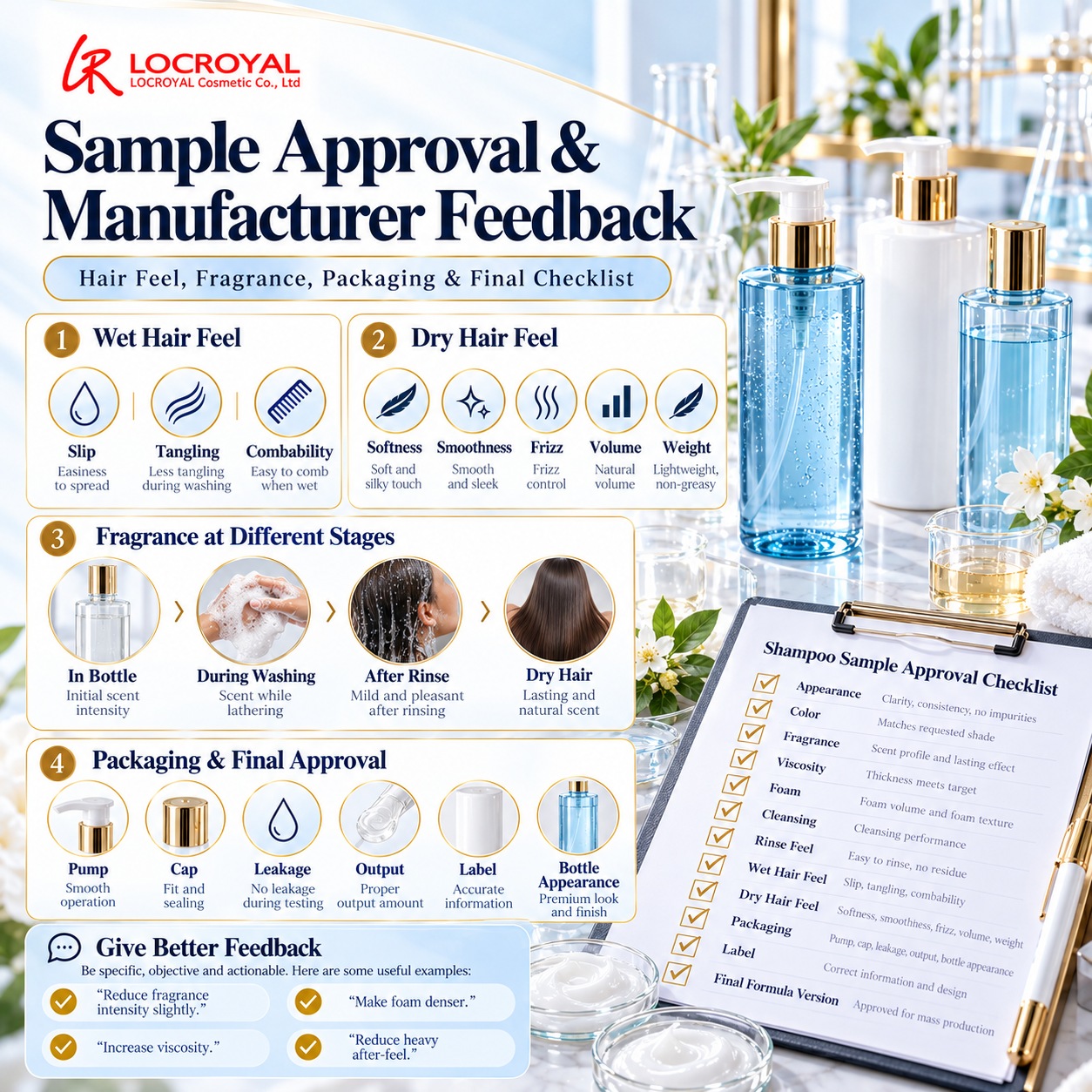
A container that looks suitable when empty may not perform well after filling. Compatibility testing helps identify possible problems between the formula and packaging.
For both hair mask jar packaging and hair mask tube packaging, check:
- Container compatibility: Look for swelling, softening, cracking, discoloration, or deformation.
- Closure fit: Confirm that caps and lids close securely.
- Leakage resistance: Test the filled package during storage and transport simulation.
- Formula stability: Monitor changes in color, smell, and texture.
- Label adhesion: Check for lifting, wrinkles, or damaged printing.
- Tube dispensing: Evaluate squeezing pressure and the amount of product remaining inside.
- Storage conditions: Assess performance under conditions relevant to the supply chain.
Compatibility testing examines how the formula interacts with the packaging. Formula stability testing examines changes in the product itself. Both should be considered during product development.
How Packaging Choices Affect Cost and MOQ
The cost of packaging involves more than the price of an empty container. Buyers should consider the complete finished package.
Important cost factors include:
- Standard or custom designs: Custom molds may involve additional development costs.
- Capacity: Different sizes require different packaging specifications.
- Materials and closures: Jar bodies, caps, liners, and tube structures affect cost.
- Decoration: Printing, labels, and special finishes influence production expenses.
- Supplier MOQ: Minimum order quantities vary by design and supplier.
- Filling and assembly: Different formats may require different production processes.
- Outer cartons and shipping: Weight and package dimensions affect logistics.
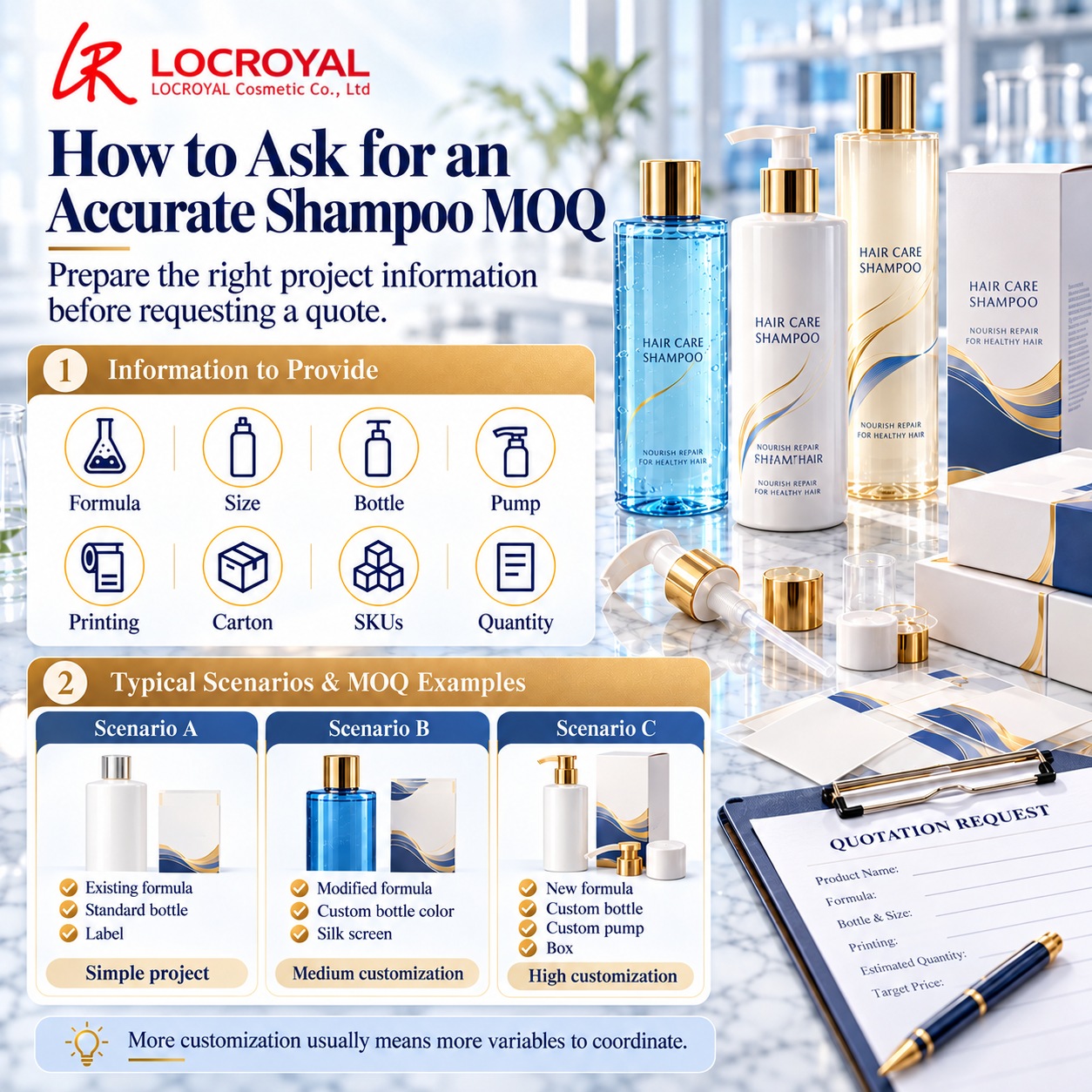
For private label hair mask packaging, compare quotations using the same specifications. Ask whether the price includes containers, closures, decoration, filling, and outer packaging. Do not assume that jars or tubes always have a lower MOQ; confirm the actual requirements with the supplier.
Hair Mask Packaging Brief Checklist
Prepare these details before contacting a factory:
- Preferred format: jar or tube
- Formula viscosity: cream, thick cream, or paste
- Target capacity
- Preferred material
- Closure and sealing requirements
- Brand logo and artwork
- Label requirements and destination market
- Sales channel: salon, retail, online, or travel
- Expected order quantity
- Target launch schedule
A clear brief helps suppliers understand your needs and recommend suitable packaging.
Common Hair Mask Packaging Mistakes
Avoid these common mistakes when developing hair mask packaging:
- Choosing by appearance alone: Attractive packaging must also be practical.
- Ignoring formula thickness: A tube may not dispense a very thick mask easily.
- Overlooking packaging MOQ: Confirm quantities for every component.
- Skipping compatibility tests: Test the filled package before mass production.
- Ignoring customer experience: Check whether customers can open, dispense, and close the package comfortably.
Frequently Asked Questions
Is a jar or tube better for thick hair masks?
A jar is often convenient because its wide opening allows customers to scoop out thick formulas. However, some tubes can work if their flexibility and opening are suitable. Test the actual formula before deciding.
What materials are commonly used for hair mask jars?
PP and PET are common cosmetic packaging options. The right material depends on the desired appearance, package structure, and compatibility with the formula.
Can I customize hair mask packaging with my logo?
Yes. Depending on supplier capabilities, customization may include labels, printing, colors, finishes, container shapes, and other design details.
Does the packaging format affect MOQ and production cost?
Yes. Materials, design, customization, decoration, tooling, filling, and supplier requirements can all affect cost and MOQ. Request a project-specific quotation.
Conclusion
Choosing between a jar and a tube depends on more than appearance. The right hair mask packaging should suit the formula, make application convenient, protect the product, and support the brand’s positioning.
Jars are often practical for thick formulas and larger salon products, while tubes can provide convenient dispensing and portability for retail and travel sizes. Both formats require suitable materials, secure closures, and compatibility testing.
Foshan BonnieCo Biotechnology Co., Ltd. (BonnieCo Group) operates three core business divisions:
- Guangzhou LocRoyal Cosmetics Co., Ltd.: Hair care OEM services and self-owned brands, including PROINSCARE and PURC.
- Guangzhou BonnieCo Cosmetics Co., Ltd.: Skin care and color cosmetics OEM services and self-owned brands, including SenseInsCare and Jellyprim.
- Foshan production base: A 50,000㎡ self-owned production base.
The group highlights its manufacturing background through the positioning: Self-Owned Factory · Own Brands · Global Certifications · 15 Years of Smart Beauty Manufacturing.
LocRoyal provides private label hair mask development and packaging customization services. Visit the LocRoyal private label hair mask page to explore its services and discuss your packaging requirements.