Choosing the right hair mask formula is an important step when building a hair care brand. However, selecting a product involves more than adding popular ingredients like argan oil, keratin, or collagen. Different customers have different hair types, routines, and expectations. A rich formula may suit thick, dry hair but feel too heavy for customers with fine hair.
For overseas brands, understanding these differences is essential. Your private label hair mask formula should match your target customers, product positioning, desired benefits, and budget.
This guide explains how to choose a formula, understand common ingredients, compare product concepts, and prepare for sample development with a manufacturer.
Start With Your Target Customers and Hair Needs
Before choosing ingredients, define who will use your product. Consider your target market, customer age group, price positioning, and sales channels. These details help guide your hair mask formulation.
Hair Masks for Dry and Frizzy Hair
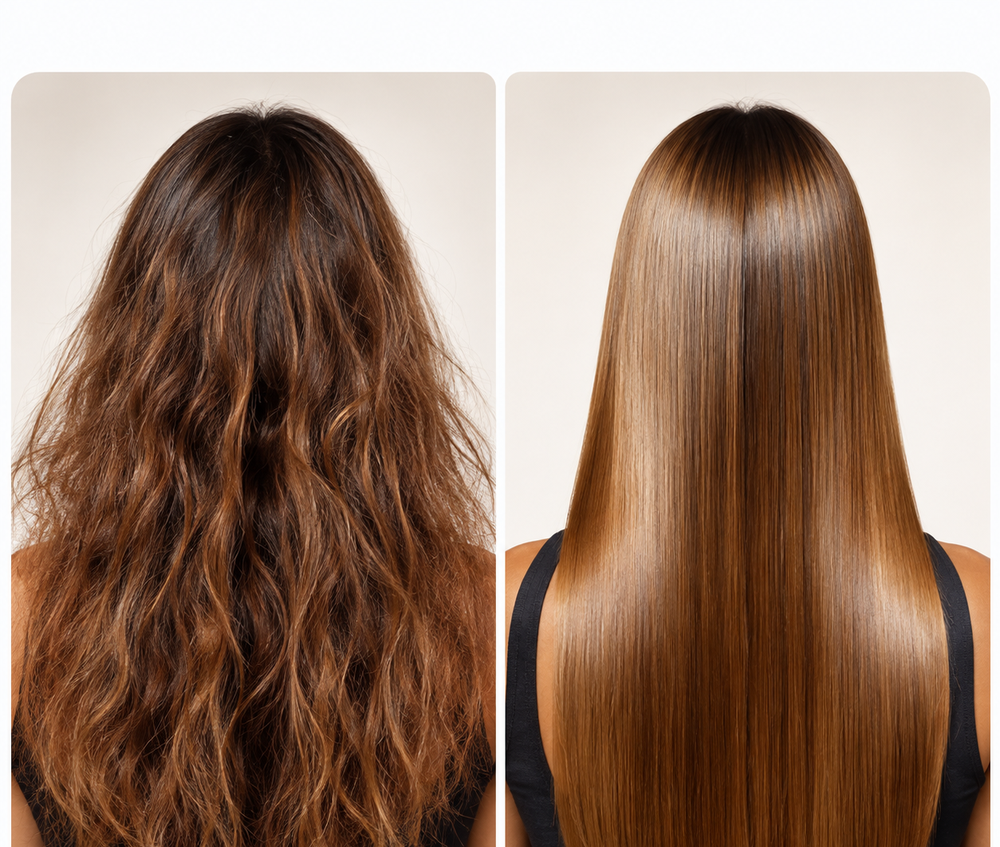
Customers with dry or frizzy hair often want softer, smoother strands and easier combing. A hair mask for dry and damaged hair may use conditioning agents, emollients, and oils to improve the feel of hair. However, more oil does not automatically mean better performance. The complete formula determines how the product spreads, conditions, and rinses.
Hair Masks for Damaged or Chemically Treated Hair
Dyed, bleached, or permed hair may feel rough, dry, or difficult to manage. These customers may prefer richer conditioning products that help reduce tangling and improve softness. Focus on realistic conditioning benefits rather than promises of permanent hair repair.
Hair Masks for Dull or Weak-Feeling Hair
Some customers want improved shine, softness, and manageability without a greasy finish. Fine hair may benefit from a lighter texture, while thicker hair may suit a richer cream. Defining your audience first makes private label hair mask development more focused.
Define the Main Performance Goals of Your Hair Mask
Once you understand your customers, decide what the product should achieve. Your custom hair mask formula needs clear performance goals that can be evaluated through samples.
Softness and Detangling
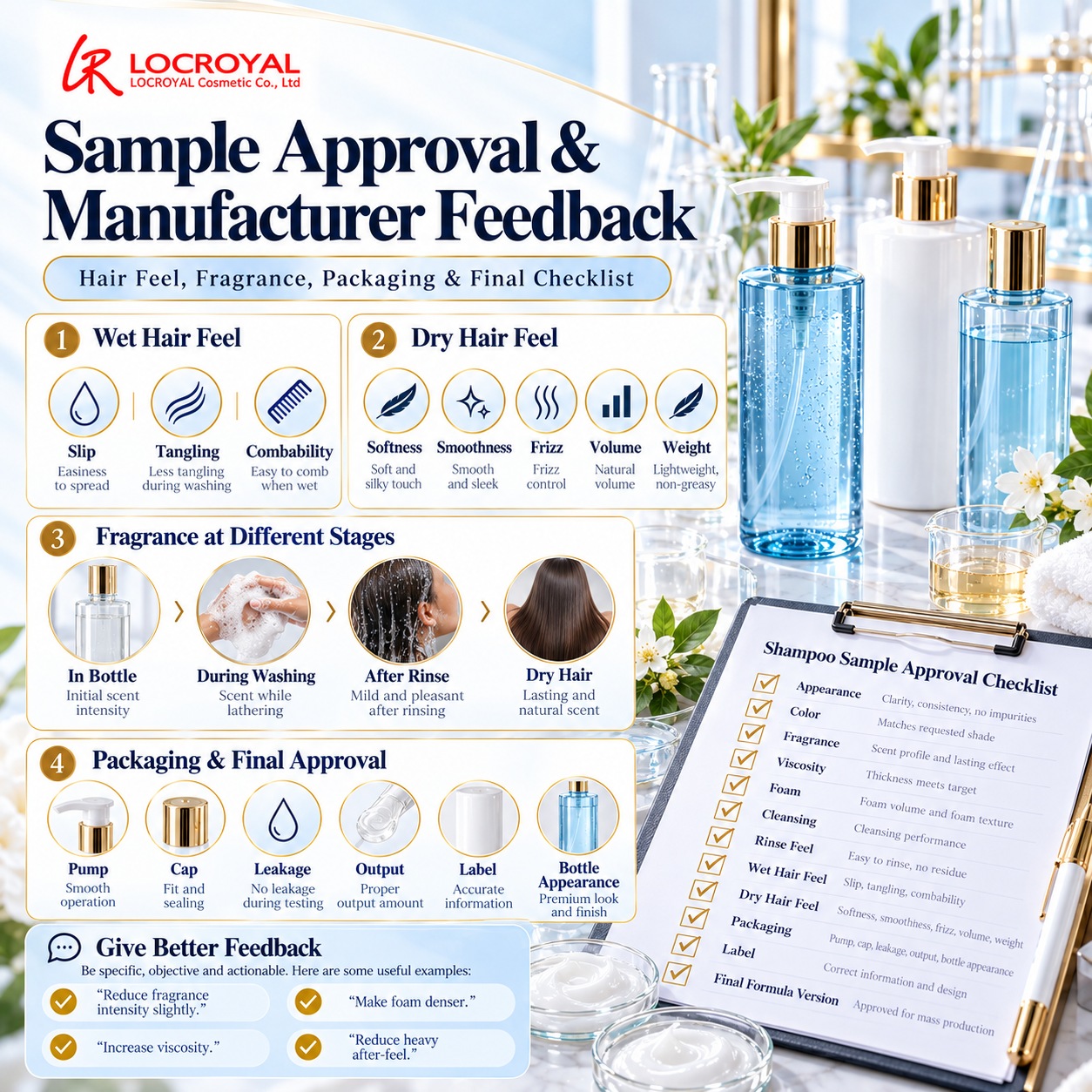
Check how easily customers can comb their hair when wet and how soft it feels after rinsing. Also consider whether the product helps reduce tangling.
Smoothness and Frizz Control
Evaluate how the hair looks and feels after drying. Does it feel smoother? Are flyaways less noticeable? Does the formula leave fine hair feeling heavy?
Shine and Manageability
Customers may also expect improved shine and easier grooming. Results depend on the complete formula, hair condition, and application method, not one featured ingredient.
Understand Common Hair Mask Ingredients
Understanding common hair mask ingredients helps you communicate your product requirements. You do not need to create the formula yourself, but knowing the basic ingredient groups can help you make informed decisions.
Conditioning Agents and the Cream Base
Conditioning agents help reduce friction and improve combability. Fatty alcohols, such as cetyl alcohol and cetearyl alcohol, are commonly used to give hair masks their creamy texture and body.
The cream base affects thickness, spreadability, and rinsing. These ingredients work together, so the balance of the complete hair mask formulation matters.
Botanical Oils and Emollients
Argan oil and coconut oil are popular ingredients in hair care. They can support nourishing, smoothing, and conditioning product concepts.
However, an ingredient’s presence alone does not guarantee a particular result. Its concentration and combination with other ingredients influence the finished product.
Proteins and Specialty Ingredients
Keratin, hydrolyzed proteins, and collagen are frequently featured in hair mask products. They can support a conditioning-focused product concept, but brands should avoid assuming that a popular ingredient automatically delivers a specific benefit.
Ask your manufacturer what role each ingredient plays and which claims can be supported by product testing.
Compare Popular Hair Mask Formula Concepts
Different formula concepts can help brands target different customer groups. LocRoyal’s hair mask offerings include options featuring argan oil, caviar, collagen, coconut oil, protein, and keratin.
| Formula concept | Main positioning |
|---|---|
| Argan Oil Hair Mask | Nourishing and smoothing |
| Caviar Hair Mask | Softness and shine |
| Collagen Hair Mask | Conditioning and manageability |
| Coconut Oil Hair Mask | Smoothness and frizz care |
| Protein Hair Mask | Conditioning for weak-feeling hair |
| Keratin Hair Mask | Smoothing for damaged-looking hair |
These are product-positioning concepts, not guaranteed performance results. The best choice depends on your customers, formula composition, and sample evaluation. For example, a brand targeting fine hair may prefer a lightweight texture, even when choosing an oil-based concept. A salon-focused brand may prefer a richer conditioning experience.
Explore LocRoyal’s private label hair mask options to discuss available products and customization.

Choose the Right Texture, Fragrance and After-Feel
Ingredients are only part of the customer experience. Texture, fragrance, appearance, and rinsing behavior also influence how customers judge a hair mask.
Thick and Rich vs Lightweight Cream Textures
A thick cream can create a rich treatment experience, while a lightweight cream may suit customers who dislike heavy residue. Consider how easily the product spreads, how much customers need to apply, and how easily it rinses out.
Fragrance and Sensory Experience
Popular fragrance directions include floral, fruity, fresh, and salon-inspired scents. Decide whether your brand needs a noticeable fragrance or a softer scent. Ask the manufacturer to check fragrance compatibility with the formula.
Appearance and Product Consistency
Color, gloss, and uniformity contribute to product presentation. The formula should also maintain suitable stability during storage. Ask about checks for changes in texture, color, or separation.
Ready-to-Customize vs Fully Custom Hair Mask Formulas
Brands generally have two development options, depending on their budget, product goals, and launch plans.
Ready-to-customize formulas use an existing product as a starting point. You may be able to adjust features such as fragrance, texture, or selected ingredients. This approach can simplify development and shorten the time needed to prepare a product.
Fully custom formulas are designed around specific ingredients, performance goals, and brand requirements. They may involve more sampling, testing, development time, and investment.
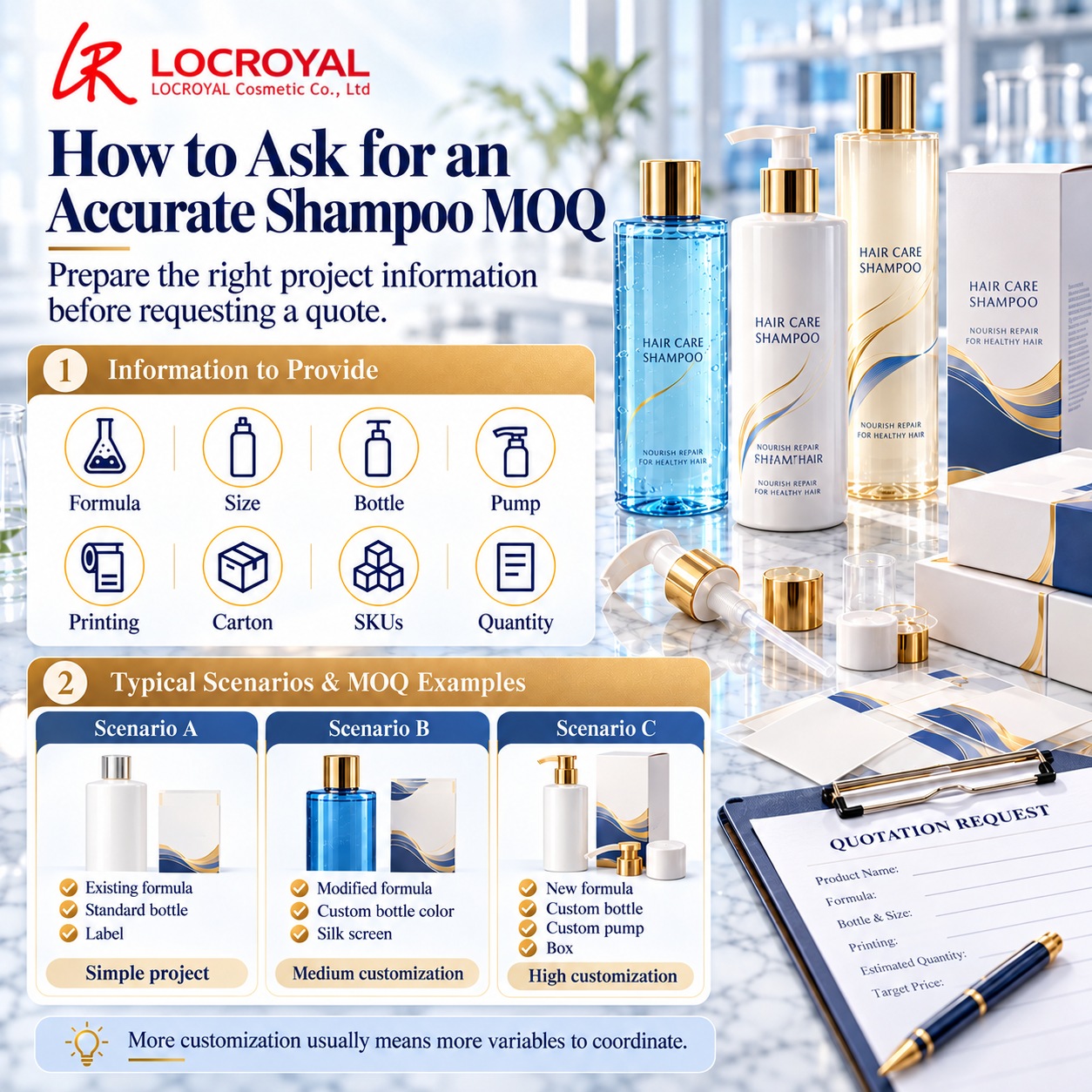
The MOQ can also differ. Existing formulas with standard packaging may have different requirements from fully customized formulas. Ask your manufacturer about sampling costs, minimum quantities, and estimated development timelines before making a decision.
A successful private label hair mask formula does not always need to be completely new. It needs to fit your market and customers.
What to Share With Your Hair Mask Manufacturer
You do not need to provide a complete formula when contacting a manufacturer. However, you should explain what you want the finished product to achieve.
Prepare these details before requesting a sample:
Target country and market: Where will the product be sold?
Target hair type: Dry, frizzy, fine, thick, or chemically treated?
Desired benefits: Softness, detangling, smoothness, or shine?
Preferred ingredients: Argan oil, coconut oil, keratin, collagen, or others?
Texture and fragrance: Rich or lightweight? Floral, fruity, or fresh?
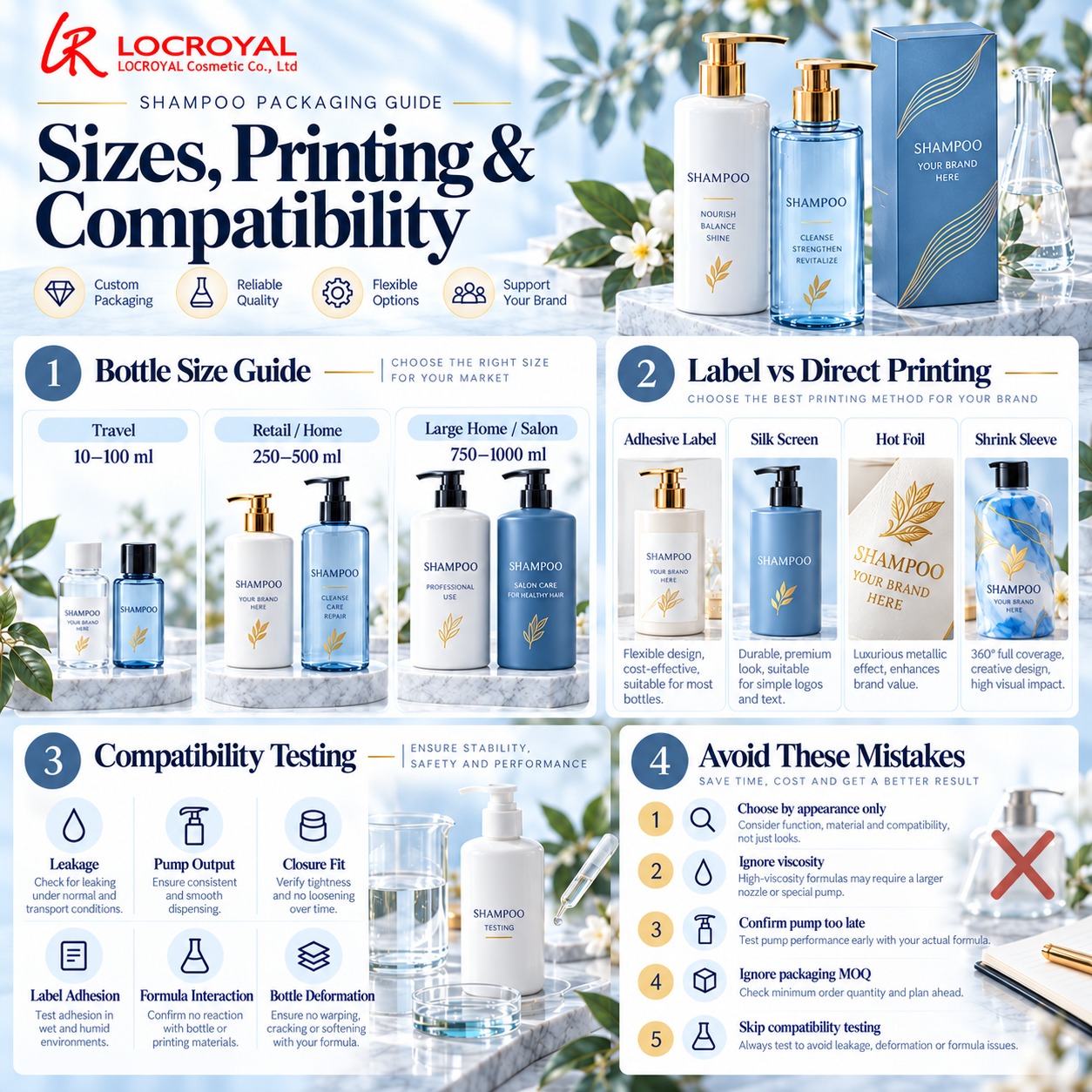
Packaging preference: Jar, tube, or another format?
Target price range: What is your intended market position?
Estimated order quantity: How many units do you expect to order?
Benchmark product: Is there an existing product you want to use as a reference?
This information helps your manufacturer recommend suitable options for private label hair mask development. Clear requirements also reduce unnecessary changes during sampling.

Common Hair Mask Formula Selection Mistakes
Even a promising product concept can become difficult to develop when important details are overlooked.
Avoid these common mistakes:
Choosing only trending ingredients: Argan oil and keratin may attract attention, but the complete formula determines the product experience.
Ignoring target hair types: A rich cream may not suit every customer.
Using unclear performance goals: Decide whether softness, detangling, shine, or smoothness is your priority.
Overlooking packaging: The formula’s consistency should suit the selected jar or tube.
Skipping sample testing: Evaluate the product before approving bulk production.
Samples allow you to check texture, fragrance, application, rinsing, and after-feel. Discuss stability and packaging compatibility checks with your manufacturer as well.
Frequently Asked Questions
1. What ingredients are commonly used in hair masks?
Common hair mask ingredients include conditioning agents, fatty alcohols, emollients, botanical oils, proteins, and specialty ingredients. The selection depends on the intended hair mask formulation.
2. What is the difference between a moisturizing and smoothing hair mask?
A moisturizing-positioned product focuses on improving the feel of dry hair, while a smoothing product emphasizes softness and manageability. These benefits can overlap.
3. Can I customize an existing hair mask formula?
Yes. LocRoyal offers private label and OEM/ODM hair mask services. Customization options can be discussed based on your product requirements.
4. Should I test hair mask samples before bulk production?
Yes. Samples help you evaluate your custom hair mask formula, including texture, fragrance, spreadability, rinsing, and after-feel.
5. Can I develop a hair mask for dry and damaged hair?
Yes. You can request a formula focused on conditioning, softness, and easier combing. Final benefits should be evaluated through samples.
6. Can I choose argan oil or keratin?
Yes. These ingredients can be considered as part of your product concept. Your manufacturer can help assess their suitability in the complete formula.
7. Does LocRoyal provide custom hair mask formulation?
LocRoyal provides hair care OEM/ODM and private label services, including existing formula selection and customized development based on project requirements.
8. Can I customize texture and fragrance?
Texture and fragrance preferences can be discussed during private label hair mask development and reviewed through samples.
9. What packaging can I use for a private label hair mask?
Common options include jars and tubes. The selected packaging should be suitable for the formula, product consistency, and intended use.
10. What information is needed to request a sample?
Share your target market, hair type, desired benefits, preferred ingredients, texture, fragrance, packaging, and estimated order quantity. LocRoyal can use these details to discuss suitable formula options.
Work With LocRoyal on Your Private Label Hair Mask
LocRoyal Cosmetics provides hair care OEM/ODM and private label services, supporting brands with formula selection, customized development, and packaging options.
Foshan BonnieCo Biotechnology Co., Ltd. (BonnieCo Group) operates three core business divisions:
Guangzhou LocRoyal Cosmetics Co., Ltd.: Hair care OEM services and self-owned brands, including PROINSCARE and PURC.
Guangzhou BonnieCo Cosmetics Co., Ltd.: Skin care and color cosmetics OEM services, with self-owned brands including SenseInsCare and Jellyprim.
Foshan production base: A 50,000㎡ self-owned manufacturing facility.
With 15 years of smart beauty manufacturing experience, the group supports different beauty product development and manufacturing needs.
Visit the LocRoyal private label hair mask page to explore services and discuss your product requirements.
Conclusion
Choosing the right private label hair mask formula starts with understanding your customers. Their hair types, routines, budgets, and expectations should guide your decisions about ingredients, texture, fragrance, and product benefits.
Rather than selecting a formula based on one popular ingredient, evaluate the complete product experience. Compare available options, communicate clear requirements, and test samples before bulk production. This approach helps you develop a hair mask that fits your brand and target market.