Choosing the right packaging is an important part of launching a successful hair care product. A bottle may look attractive, but is it suitable for the formula? Will the pump work with a thick conditioner? Will the label stay in place in a humid bathroom?
These are important questions when planning private label hair care packaging. Good packaging needs to protect the formula, make the product easy to use, support your brand image, and fit your production budget.
So, where should a beauty brand begin? The answer is simple: start with the product, not the bottle.
What is Private Label Hair Care Packaging?
Private label hair care packaging includes the containers, pumps, caps, labels, printing, decoration, and other packaging components used for branded hair care products.
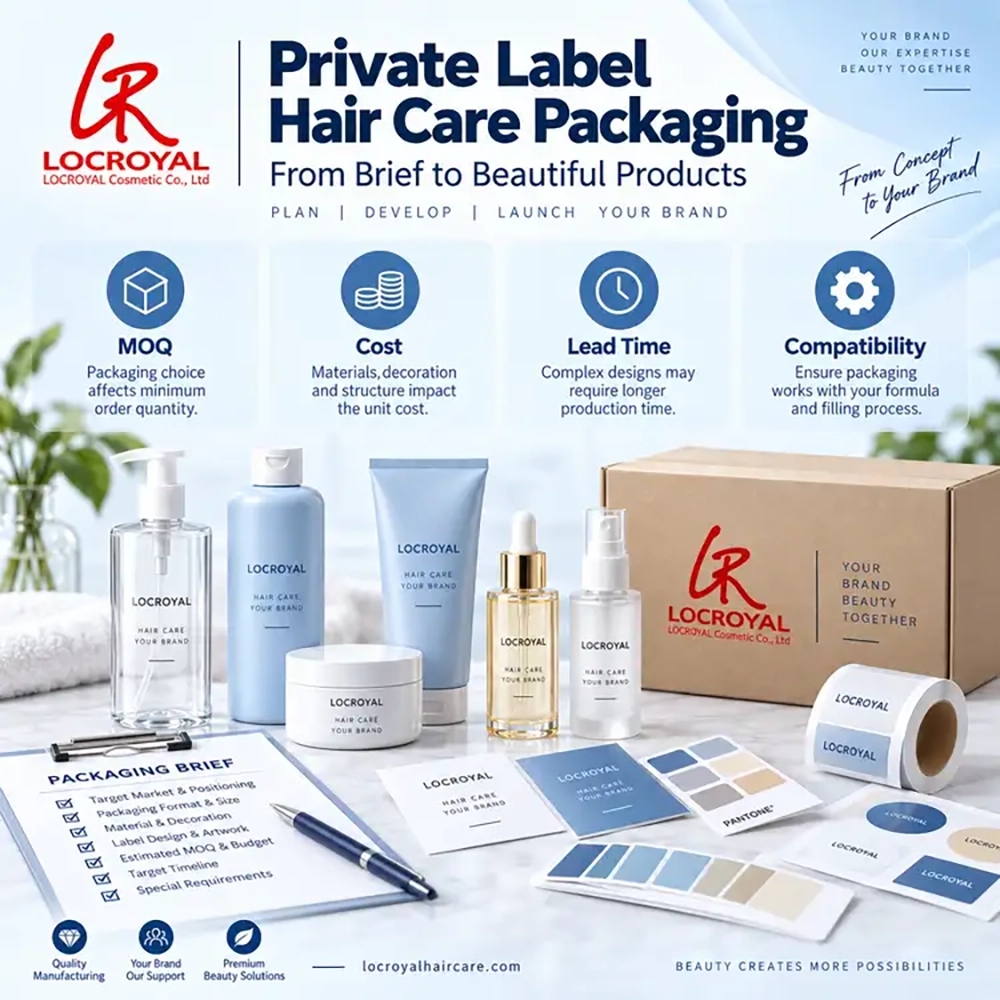
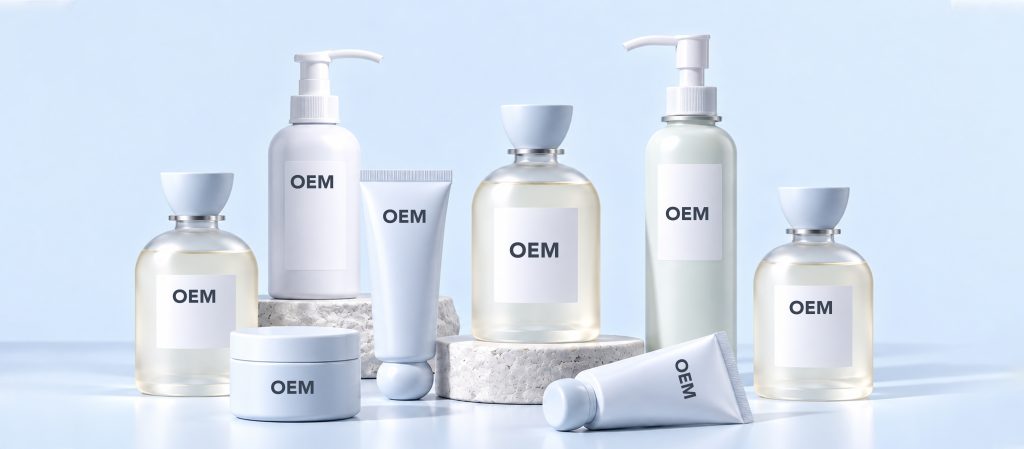
Common hair care packaging includes bottles, jars, tubes, pumps, droppers, spray bottles, labels, and cartons. Through cosmetic packaging customization, brands can select different materials, shapes, colors, finishes, and printing methods.
However, packaging is not only about appearance. It must work with the formula and provide a convenient experience for the consumer.
For example, shampoo may need a pump or flip cap, while hair oil may work better with a pump or dropper. A thick hair mask may require a jar or tube that allows easy dispensing.
This is why packaging decisions should always consider the product formula first.
Start With Your Product, Not the Bottle
Before selecting your packaging, understand the product going inside it.
Consider the formula’s viscosity, ingredients, fragrance, color, fill volume, intended use, and target market. These factors can influence both hair care packaging and the dispensing system.
A lightweight leave-in product may work well in a spray bottle, while a thick conditioner may require a stronger pump. An oil-based product also needs suitable packaging compatibility testing.
This is where cosmetic packaging customization can help. Instead of forcing every product into the same container, brands can select packaging based on the formula. A good private label hair care packaging process connects formulation, packaging, testing, and manufacturing from the beginning.
Choosing the Right Packaging Format for Each Hair Care Product
Different hair care products have different dispensing requirements. Your shampoo packaging or hair mask packaging should make the product easy and practical to use.
| Product | Common Packaging |
|---|---|
| Shampoo | Bottle + Pump / Flip Cap |
| Conditioner | Bottle + Pump |
| Hair Mask | Jar / Tube |
| Hair Oil | Pump / Dropper |
| Hair Serum | Pump / Dropper |
| Leave-In Spray | Spray Bottle |
Shampoo commonly uses bottles with pumps or flip caps for convenient dispensing. Conditioner often benefits from a pump because the formula can be thicker. For hair mask packaging, jars offer wide access, while tubes provide controlled dispensing and can be convenient for travel.
Hair oils and serums can use pumps or droppers depending on their texture and desired dosage. Leave-in sprays generally require a spray bottle that distributes the formula evenly. The right format should combine appearance, convenience, formula requirements, and production practicality.
Choosing Packaging Materials: PET, HDPE, PP, and Glass
Once you choose the format, the next step is selecting the material. PET, HDPE, PP, and glass are commonly used in hair care packaging, but each has different properties.
PET can provide a clear, rigid appearance and allows consumers to see the product. HDPE is known for its durability and is often used for opaque or translucent containers. PP is widely used for cosmetic containers, caps, jars, and dispensing components. Glass can provide a heavier, premium appearance and is commonly considered for selected oils and serums.
Material selection should not be based only on appearance. The formula and packaging need to work together.
For brands considering PET bottle packaging, the bottle should be evaluated with the actual formula and closure before mass production. This is why packaging compatibility testing is an important part of professional packaging development.
Matching Pumps, Caps and Dispensers to Product Texture
The container is only one part of private label hair care packaging. The pump, cap, or dispenser is equally important. A thin formula may move easily through a standard pump, while a thick conditioner may require a different dispensing system. Oils and serums may need pumps or droppers designed to deliver smaller amounts.
A closure should also seal properly and provide reliable dispensing. Leakage, clogging, excessive residue, or a difficult-to-use pump can negatively affect the customer experience. When developing shampoo packaging or hair mask packaging, test the complete packaging system with the final formula instead of evaluating the bottle alone.
Labels, Printing and Decoration Options
Packaging is one of the most visible parts of your brand identity. Cosmetic packaging customization allows brands to turn a standard container into a distinctive product. Common options include pressure-sensitive labels, direct printing, silk screen printing, hot stamping, and different surface finishes.
Silk screen printing can be used for logos, text, and simple artwork directly on suitable packaging surfaces. Labels can provide greater artwork flexibility and can be practical when brands have multiple product variations.
The best decoration method depends on the material, container shape, artwork, quantity, budget, and desired appearance. Remember that packaging decoration is not only about looks. Labels and printing should remain readable and durable during transportation, storage, and normal consumer use.
Formula & Packaging Compatibility Before Mass Production
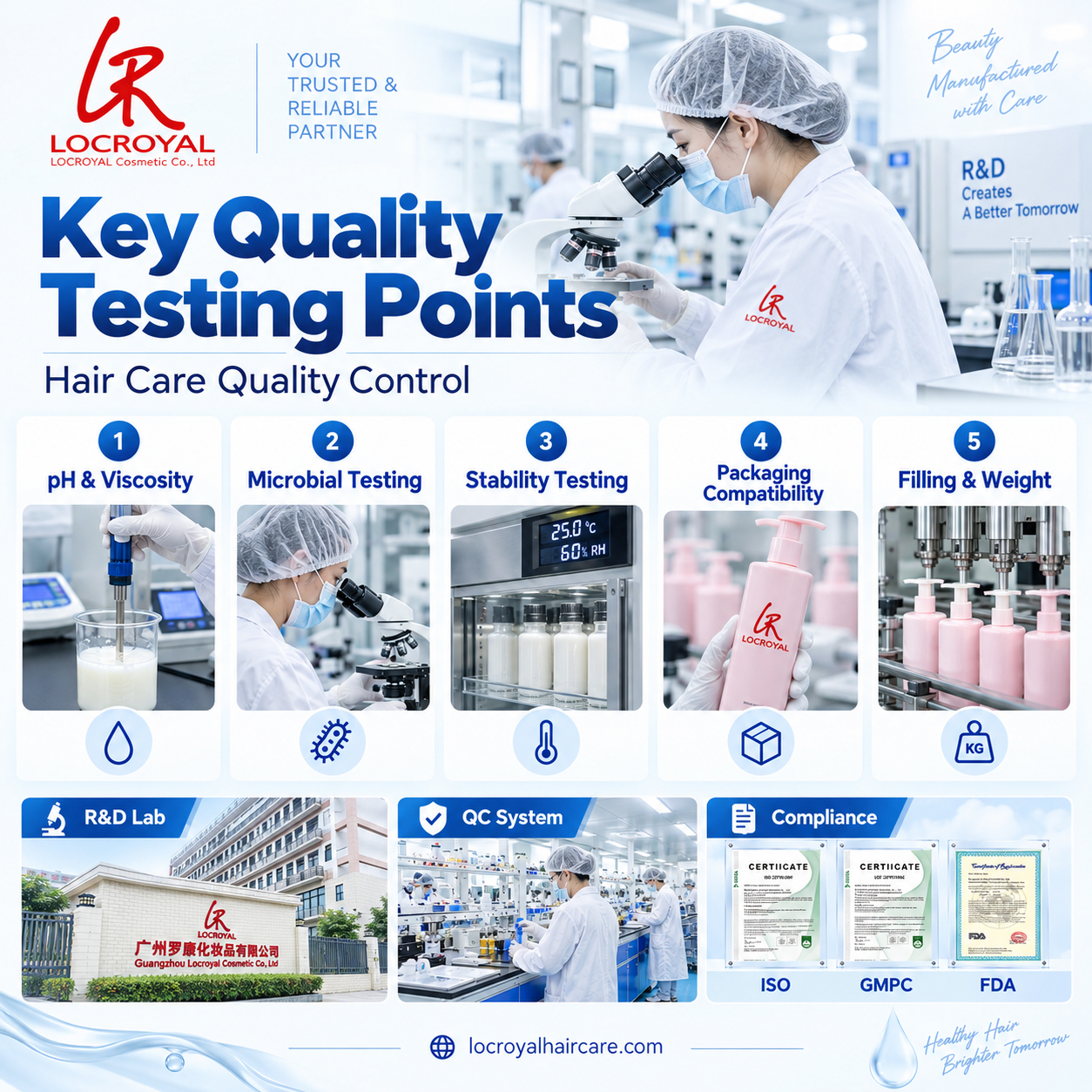
One of the most important steps in private label hair care packaging is compatibility testing. A formula that performs well in the laboratory may behave differently when placed in its final commercial package. Testing can help identify issues such as leakage, deformation, discoloration, odor changes, label problems, or poor dispensing.
Ingredients such as oils, fragrances, surfactants, and certain solvents may interact differently with packaging materials, adhesives, coatings, and dispensing components.
Therefore, packaging compatibility should be considered before approving mass production. This is especially important for PET bottle packaging, pumps, decorated surfaces, and other components that interact with the formula. Testing the actual formula in the intended packaging can help reduce avoidable production problems.
How Packaging Customization Affects MOQ
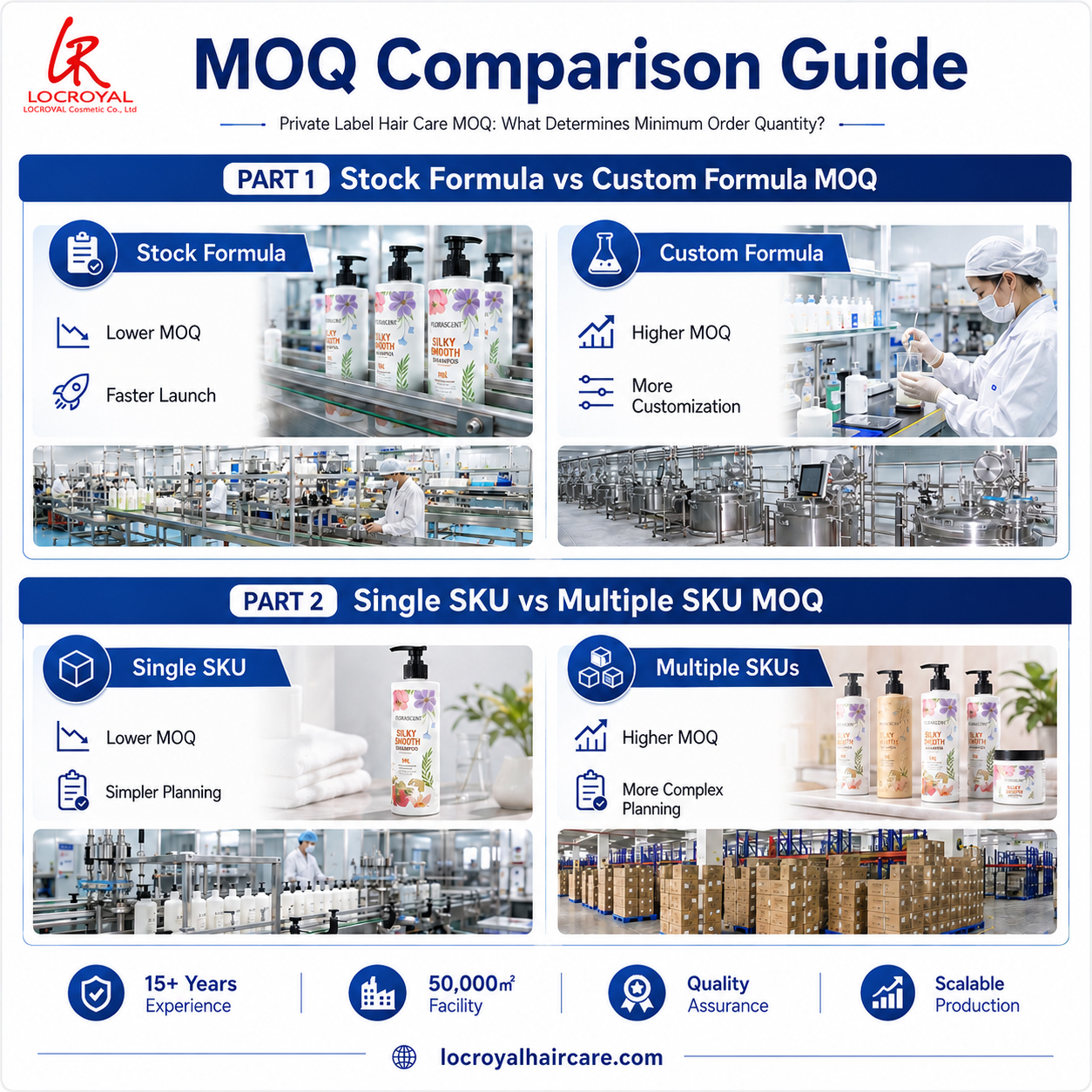
Customization can make your product more distinctive, but it may also affect packaging MOQ.
A standard bottle with a standard label may have different minimum requirements from a custom bottle, special cap, custom mold, or decorated container. The packaging MOQ can also vary between components. Your bottle supplier may have one minimum quantity, while the supplier for your labels, caps, or special decoration may have another.
For this reason, brands should discuss expected order volumes before finalizing packaging.
If you are launching a new product, you may want to balance customization with realistic sales forecasts. A manufacturing partner can help identify which custom features are practical for your expected quantity.
How Packaging Choices Affect Cost and Lead Time
Packaging affects more than the unit price. It can influence sampling, tooling, printing, component sourcing, assembly, and production schedules. Simple hair care packaging using readily available components may have fewer development steps than highly customized packaging.
Likewise, complex cosmetic packaging customization may require additional tooling, decoration, approvals, or supplier coordination.
Before placing an order, ask about:
- Packaging MOQ
- Sample costs
- Mold or tooling costs
- Printing and decoration costs
- Component lead times
- Filling and assembly
- Shipping cartons
- Final packaging specifications
Comparing only the bottle price may not give you an accurate picture of your total packaging cost.
How to Prepare a Hair Care Packaging Brief
A clear packaging brief helps manufacturers understand your requirements.
Include:
- Product type
- Formula status
- Fill volume
- Preferred packaging format
- Material preference
- Pump or cap preference
- Label or printing requirements
- Brand colors
- Artwork
- Target market
- Estimated order quantity
- Target launch date
For shampoo packaging, specify whether you want a pump or flip cap. For hair mask packaging, state whether you prefer a jar or tube.
Clear information makes it easier to recommend suitable cosmetic packaging customization options.
Common Hair Care Packaging Mistakes to Avoid
One common mistake is choosing packaging based only on appearance.
A beautiful bottle is not useful if the pump cannot handle the formula. A premium label will not perform well if its adhesive fails in humid conditions. A cheaper package can also become more expensive if it causes leakage or compatibility problems.
Another mistake is ignoring packaging MOQ until the end of development. Confirm minimum quantities for bottles, closures, labels, and decoration early.
Brands should also avoid skipping packaging compatibility testing. The actual formula and final packaging system should be evaluated before mass production. Most importantly, treat your shampoo packaging, hair mask packaging, pumps, labels, and printing as parts of one complete product system.
Build Your Packaging With the Right Manufacturing Partner
Successful private label hair care packaging starts with a product-first approach. Choose the format according to the formula, select the material carefully, match the pump or cap to the product texture, and test compatibility before production.
For brands looking for a private label manufacturing partner, Guangzhou LocRoyal Cosmetics Co., Ltd. provides hair care OEM/ODM and private label manufacturing services. Its current website describes support covering product development, formulation, packaging design, customization, and production.
Foshan BonnieCo Biotechnology Co., Ltd. (BonnieCo Group), Self-Owned Factory · Own Brands · Global Certifications · 15 Years of Smart Beauty Manufacturing.
The group operates three core business divisions:
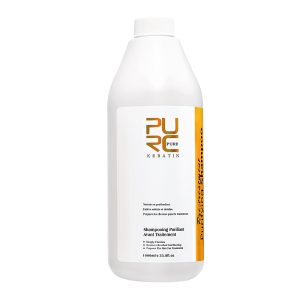
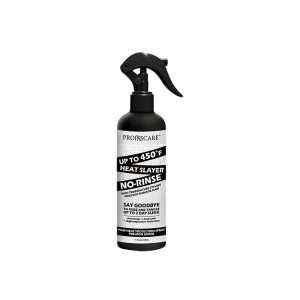
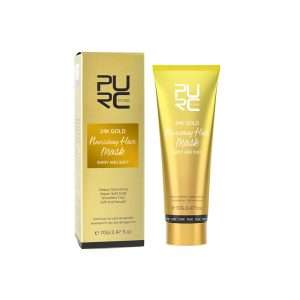
- Guangzhou LocRoyal Cosmetics Co., Ltd.: Hair care OEM and self-owned brands including PROINSCARE and PURC.
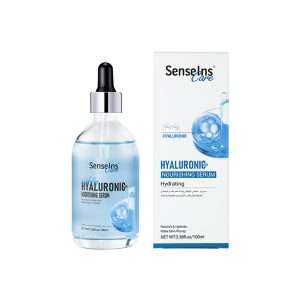
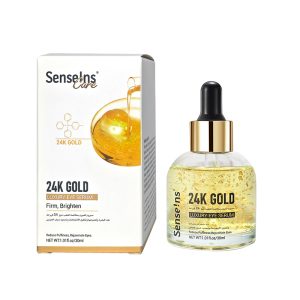
- Guangzhou BonnieCo Cosmetics Co., Ltd.: Skin care and color cosmetics OEM and self-owned brands including SenseInsCare and Jellyprim.
- A 50,000㎡ self-owned production base in Foshan.
For beauty brands, an integrated manufacturing structure can make it easier to coordinate formulation, hair care packaging, customization, and production.
The right packaging is not simply the bottle that looks best. It is the package that protects the formula, works well for consumers, fits your budget, and supports your brand identity.
Start with the product, test the complete packaging system, and then customize the details that matter most.
Ready to launch your hair care brand? Contact us today for a personalized packaging and private label manufacturing consultation, and let’s turn your product idea into a market-ready solution.
Frequently Asked Questions About Private Label Hair Care Packaging
1. What is private label hair care packaging?
Private label hair care packaging includes containers, pumps, caps, labels, printing, and other packaging components customized for a branded hair care product.
2. What packaging is commonly used for shampoo?
Shampoo packaging commonly uses bottles with pumps or flip caps. The choice depends on product texture, dispensing requirements, and packaging compatibility.
3. What packaging is suitable for hair masks?
Hair mask packaging commonly includes jars and tubes. The best option depends on viscosity, application method, product positioning, and consumer convenience.
4. Can PET bottles be customized?
Yes. PET bottle packaging can be customized through different sizes, shapes, colors, labels, and decoration options, depending on supplier capabilities and MOQ.
5. What is silk screen printing?
Silk screen printing is a direct decoration method used to apply ink onto suitable packaging surfaces. It can be used for logos, text, and selected artwork.
6. Why is packaging compatibility important?
Packaging compatibility helps determine whether the formula and packaging system can work together without unwanted physical, chemical, or functional problems.
7. Does customization affect packaging MOQ?
It can. Packaging MOQ may vary depending on custom molds, printing, decoration, and individual packaging components.
8. Does LocRoyal provide cosmetic packaging customization?
LocRoyal provides hair care OEM/ODM and private label services, including packaging-related support and customization for beauty brands.
9. Can a manufacturer provide complete packaging support?
A suitable manufacturer can coordinate packaging formats, materials, pumps, caps, labels, decoration, and production requirements as part of a private label project.
10. Why choose a private label manufacturing partner?
A private label manufacturing partner can help coordinate formulation, hair care packaging, customization, testing, and manufacturing so brands can manage product development through a more organized process.